




Holi 2026 Dates
The much-anticipated festival of colors, Holi, in 2026 will primarily be observed on March 4th. However, the festivities commence the preceding evening
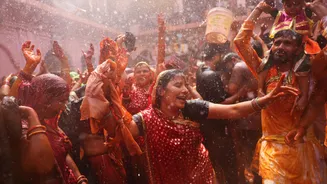
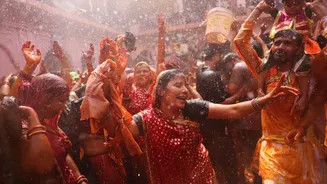
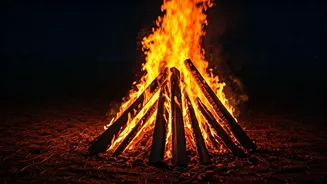
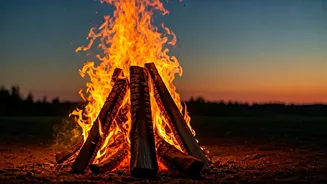
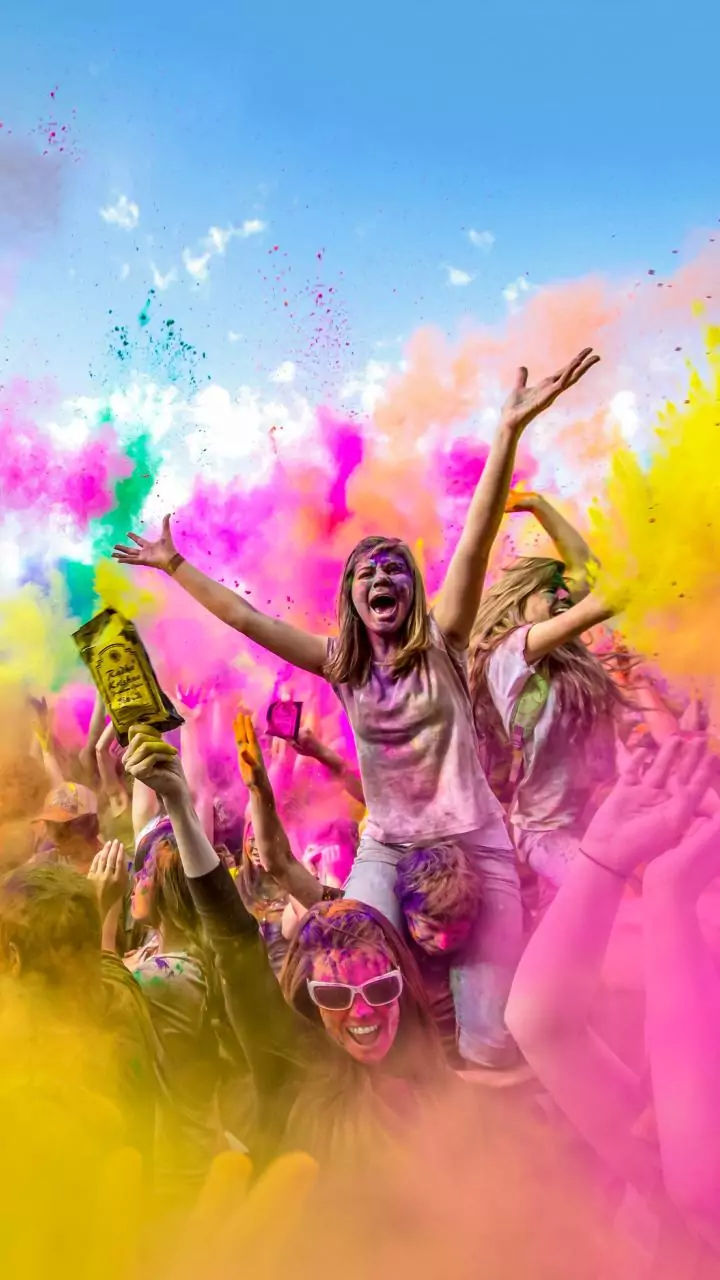
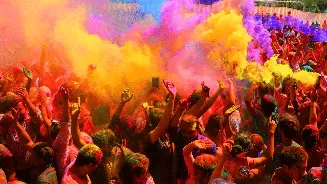
with Holika Dahan, traditionally celebrated on March 3rd. This dual-timing can sometimes lead to a bit of confusion, as the sacred bonfire ritual marks the beginning of the larger celebration. Holika Dahan, a significant pre-Holi event, involves the burning of a symbolic pyre, representing the triumph of righteousness over wickedness. The following day is when the joyous throwing of colors and general merriment truly takes hold, culminating in communal feasts and the enjoyment of traditional sweets and drinks.
Precise Timings for Holika Dahan
According to Drik Panchang, the Purnima Tithi, or the full moon period, commences on the evening of March 2nd and concludes at precisely 5:07 PM on March 3rd. For Holika Dahan, specific auspicious timings are crucial. The Bhadra period, often considered inauspicious for certain rituals, is divided into Bhadra Punchha from 01:25 AM to 02:35 AM and Bhadra Mukha from 02:35 AM to 04:30 AM. The recommended time for Holika Dahan falls within the Pradosh period, specifically when the Purnima Tithi is present but before it wanes into the next day's Purnima. This year, Purnima Tithi begins at 05:55 PM on March 2, 2026, and ends at 05:07 PM on March 3, 2026, guiding the selection of the most opportune moment for the sacred bonfire ritual.
Mythological Significance of Holi
Holi's rich tapestry is woven with multiple significant narratives. One prominent story recounts the divine love between Radha and Lord Krishna. Legend has it that Lord Krishna, conscious of his darker complexion compared to Radha's fair skin, was advised by his mother, Yashoda, to playfully smear color on Radha's face. This act, intended to bridge their perceived differences, is believed to have inspired the tradition of celebrating Holi with colors. Another equally profound narrative centers on the ultimate victory of good over evil, embodied by the story of Prahlad and Holika. The demon king Hiranyakashipu, seeking to eliminate his devout son Prahlad, who was a fervent follower of Lord Vishnu, conspired with his sister Holika. Holika attempted to immolate Prahlad by sitting with him on a blazing pyre. However, due to Prahlad's unwavering devotion, he remained unharmed while Holika was consumed by the flames, thus symbolizing the triumph of virtue over malevolence. Lord Vishnu's intervention, appearing as Narasimha to slay Hiranyakashipu, further solidifies this theme.
Seasonal and Spiritual Symbolism
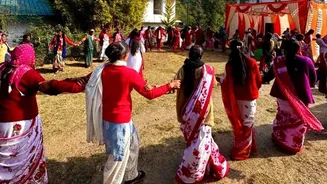
Beyond its captivating legends, Holi also carries deep seasonal and spiritual undertones. It is widely celebrated as a harbinger of spring, marking a vibrant transition from the dormancy of winter to the renewal and blooming of the new season. This shift is mirrored in the festival's spirit of joy, renewal, and fresh beginnings. The act of lighting the Holika bonfire symbolizes the burning away of negativity, past grievances, and evil influences, making way for positivity and a fresh start. The subsequent day, filled with colors, laughter, and shared delicacies, represents the embrace of new relationships, the strengthening of community bonds, and the overall exuberance of life. It’s a time for people to come together, forgive, forget, and revel in the spirit of unity and festivity, signifying the cyclical nature of life and the perpetual triumph of light over darkness.