






Leafy Greens' Power
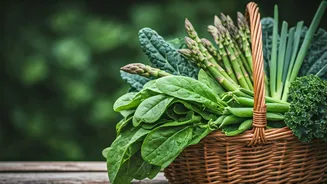
Spinach stands out as a remarkable spring vegetable, brimming with essential vitamins like A, C, and K, along with vital minerals such as iron and calcium.
Its rich antioxidant profile, including lutein and zeaxanthin, is instrumental in safeguarding eye health and potentially reducing the risk of age-related macular degeneration. Furthermore, spinach contributes to bone strength due to its calcium and vitamin K content, and its fiber aids digestive regularity. Regular consumption can bolster the immune system and provide a significant energy boost, making it a cornerstone for a healthy diet. This versatile leafy green can be enjoyed raw in salads, sautéed as a side dish, or blended into smoothies for a nutritional kick, offering a delightful way to enhance daily nutrient intake.
Asparagus: Spring's Spear
Asparagus, a true herald of spring, is celebrated for its distinct flavor and impressive nutritional credentials. It's an excellent source of folate, a B vitamin crucial for cell growth and DNA formation, making it particularly beneficial during pregnancy. This elegant vegetable also provides a good amount of vitamin K, which plays a key role in blood clotting and bone health. Asparagus is rich in antioxidants, such as flavonoids and polyphenols, that combat oxidative stress and inflammation within the body. Its natural diuretic properties can assist in detoxification processes, while its fiber content promotes a healthy digestive system. Whether steamed, roasted, or grilled, asparagus offers a sophisticated and healthy addition to any meal, enhancing both taste and well-being.
Peas and Beans
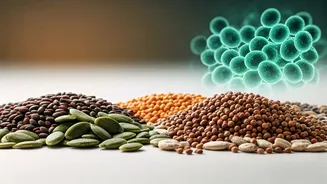
Green peas and fava beans are nutritional gems that grace our plates with the arrival of spring. Green peas are a fantastic source of plant-based protein and fiber, which are essential for satiety and digestive health. They also pack a punch of vitamins, including vitamin C for immune support and vitamin A for vision, alongside minerals like manganese. Fava beans, also known as broad beans, are particularly noteworthy for their high protein and fiber content, contributing significantly to a feeling of fullness and sustained energy. They provide a good dose of folate and are a source of iron, important for preventing anemia. Incorporating these legumes into your diet can enhance protein intake, support gut health, and contribute to overall vitality, making them a delicious and wholesome choice for any season.
Root Vegetables' Sweetness
Beets and radishes offer unique flavors and robust health benefits as spring vegetables. Beets are renowned for their nitrates, which can help lower blood pressure and improve athletic performance by increasing blood flow. They are also rich in antioxidants, particularly betalains, which give them their vibrant color and possess anti-inflammatory properties. Radishes, while often overlooked, are a good source of vitamin C and offer a peppery crunch that can invigorate salads. They also contain compounds that may aid digestion and provide a mild detoxification effect. Both root vegetables contribute valuable fiber to the diet, supporting gut health and promoting satiety, making them a nourishing addition to spring meals.
Artichokes and Rhubarb
Artichokes and rhubarb, though distinct in flavor and culinary use, are celebrated spring produce with notable health contributions. Artichokes are a powerhouse of dietary fiber and antioxidants, with cynarin and silymarin being key compounds that support liver health and aid in digestion. They are also a good source of folate and vitamin C. Rhubarb, typically used in sweet preparations due to its tartness, also offers benefits. It contains vitamin K, calcium, and fiber, and its stalks boast antioxidants like anthocyanins, which contribute to its red hue and potential anti-inflammatory effects. While rhubarb should be consumed in moderation due to its oxalic acid content in the leaves, the stalks provide a unique, healthful element to spring diets, offering a blend of digestive support and essential nutrients.