




Borneo's Orangutan Haven
Sir David Attenborough's early fascination with Borneo began in 1956, during a groundbreaking series where he, with the assistance of the local Dayak communities,
sought out the island's iconic orangutans. The presenter vividly recalls an orangutan appearing overhead, dangling from the trees. Over the years, Attenborough has revisited Borneo numerous times, notably highlighting the severe consequences of deforestation on orangutan habitats in more recent documentaries, such as one from 2019. For those wishing to witness conservation efforts firsthand, a visit to Camp Leakey in Tanjung Puting National Park offers an opportunity to observe orangutans at a safe distance within an active research facility, guided by experts dedicated to their rehabilitation and protection.
Antarctica's Icy Realm
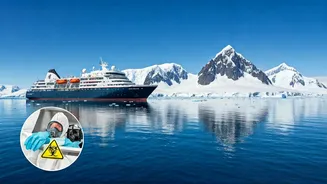
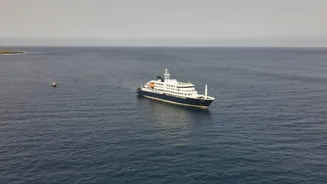
The stark beauty and resilience of life in Antarctica were brilliantly showcased in a six-part BBC series from 1993, where Sir David Attenborough documented the seasonal adaptations of species like albatross, penguins, and seals thriving in extreme conditions. Most visitors experience this remote continent via expedition cruises, typically departing from Ushuaia, Argentina, and navigating the challenging Drake Passage to reach the Antarctic Peninsula. While on board, travelers are treated to sightings of majestic blue whales, sociable Weddell seals, and the distinctive macaroni penguins, easily identifiable by their vibrant yellow head feathers. These voyages offer a profound glimpse into an ecosystem uniquely adapted to Earth's harshest climate.
Galápagos: Evolution's Showcase
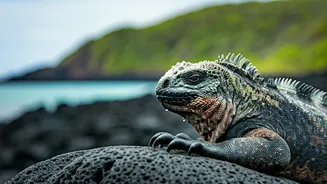
Renowned for inspiring Charles Darwin's groundbreaking theories, the Galápagos Islands teem with unique flora and fauna, including giant tortoises, blue-footed boobies, and marine iguanas. Sir David Attenborough explored this remote archipelago, situated over 600 miles off the coast of Ecuador, in a 2013 series. A particularly memorable moment was his encounter with Lonesome George, the last of the Pinta Island tortoises. Despite the journey to reach the Galápagos—usually involving flights from Quito or Guayaquil—the islands' extraordinary biodiversity provides an unparalleled reward. Visitors can enjoy snorkeling with sea lions in the Galápagos Marine Reserve or trek across the volcanic terrains of Isabela Island, immersing themselves in a living laboratory of evolution.
Great Barrier Reef's Wonders
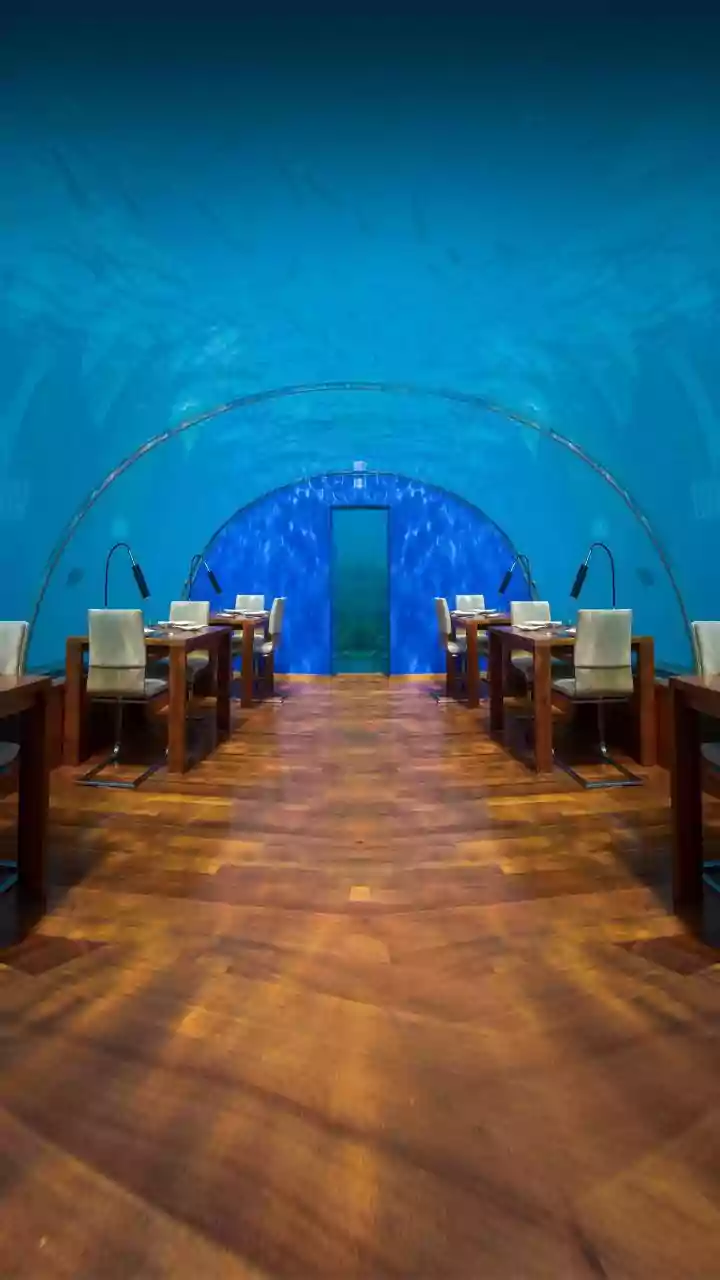
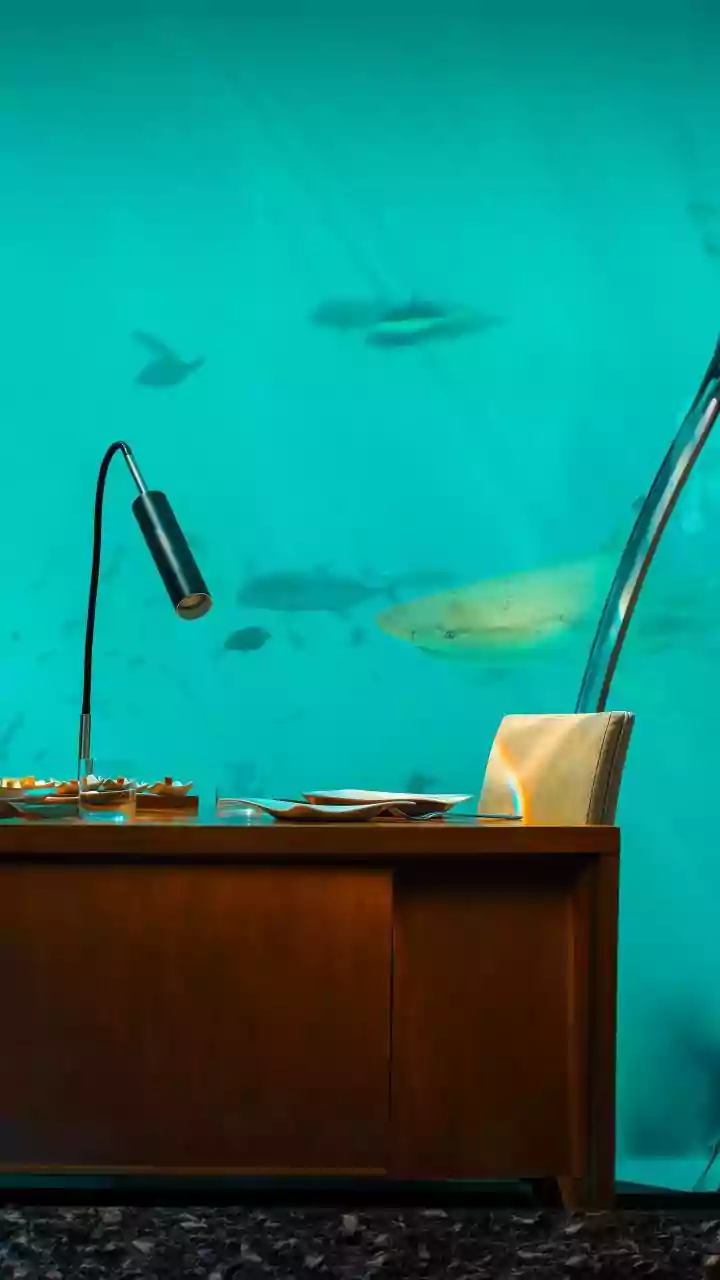
Stretching over 1,430 miles along Australia's coast, the Great Barrier Reef is a vibrant underwater metropolis, home to more than 1,500 fish species and 400 types of coral. Attenborough's lifelong fascination with this marine marvel began with his first dive in 1957. In 2015, at the age of 89, he descended 300 meters in a submersible, discovering a new coral species and encountering a formidable six-foot grouper. This UNESCO World Heritage site offers a spectacular experience for snorkelers and divers alike. Many tour operators also facilitate participation in vital coral restoration projects, allowing visitors to actively contribute to the reef's preservation while marveling at colorful clownfish, elegant manta rays, and graceful sea turtles.
Alaska's Salmon Spectacle
Sir David Attenborough's 2009 series captivated audiences with one of nature's most dramatic annual events: the salmon run. Along the coastlines of Alaska and British Columbia, millions of salmon undertake an arduous journey from the Pacific Ocean back to their ancestral streams to spawn. Utilizing high-speed cameras and specialized underwater equipment, the documentary captured the salmon's upstream battle against powerful currents and the constant threat of predation by hungry brown bears. For a firsthand experience, visitors can travel to Alaska's Katmai National Park between late June and September. During this period, bears congregate along the Brooks River, often observed hunting at the renowned Brooks Falls, providing an unforgettable spectacle of predator and prey.
Richmond Park's Urban Wildlife
While renowned for exploring the planet's most remote locales, Sir David Attenborough turned his attention closer to home in a 2020 series, showcasing the surprising wildlife dramas unfolding within London's urban landscape. The series revealed the adaptability of animals like pigeons navigating the city's transport system, peregrine falcons nesting atop the Houses of Parliament, and Aesculapian snakes thriving along the Regent's Canal. For nature enthusiasts in the capital, Richmond Park stands out as a sanctuary. This expansive 2,500-acre parkland, a place Attenborough has called home for over seven decades, boasts ancient oak trees, vibrant gardens, and a significant population of red and fallow deer that have freely roamed the grounds since 1637, offering a tranquil escape within the bustling city.
Rwanda's Gentle Giants
One of the most heartwarming and memorable moments from a landmark documentary series occurred in Rwanda's Volcanoes National Park, where Sir David Attenborough had a playful encounter with mountain gorillas. In 1978, while filming, a young gorilla named Pablo famously climbed onto the presenter's lap, resting contentedly while other gorillas curiously investigated his shoes. Today, visitors can connect with this legacy through a new documentary narrated by Attenborough, which explores the lives of Pablo's descendants. A visit to Volcanoes National Park allows travelers to witness these magnificent creatures up close on a guided gorilla trek. Importantly, the revenue generated from trekking permits directly supports local conservation initiatives, ensuring that each visitor contributes positively to the ongoing protection of these incredible animals.