


The Essence of Indian Tea Time
In India, the late afternoon hours, typically between 4 and 6 PM, are affectionately known as 'Tea Time.' This cherished period is often marked by a comforting
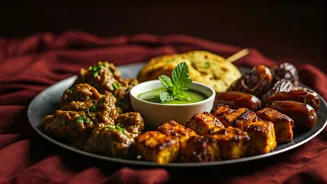
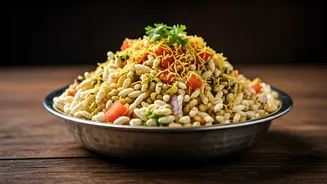
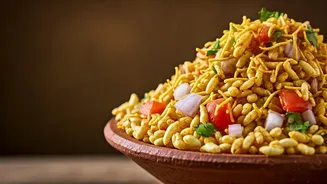
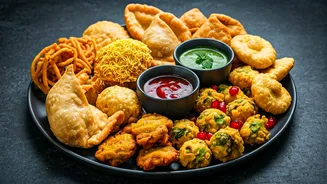
ritual of enjoying a warm beverage, be it tea or coffee, accompanied by an array of delightful light snacks. These culinary companions range from simple biscuits and cookies to more elaborate street food sensations like Bhel Puri, crispy Pakoras, and the ever-popular Samosa. The quintessential pairing of Samosa and Chai is an enduring symbol of Indian snacking culture, enjoyed in homes, offices, and gathering spots across the nation, often while sharing lively conversations. The experience is further elevated by the accompaniment of tangy tamarind chutney or fresh coriander chutney, adding a burst of contrasting flavors that perfectly complement the savory snacks.
Evolving Snack Trends
The landscape of Indian vegetarian snacks is continuously evolving, particularly with the growing health consciousness among younger generations. This shift has led to the incorporation of healthier options, such as Sprouts Chaat and Fruit Chaat. These innovative creations are a refreshing amalgamation of finely diced fresh fruits, a sprinkle of zesty chaat masala, a touch of black salt for that characteristic tang, and a squeeze of lemon juice to brighten all the flavors. This modern iteration of vegetarian snacks is particularly appealing during the monsoon season, a time when the aroma of deep-fried pakoras fills the air. These golden fritters, often dusted generously with chaat masala and served piping hot on plates fashioned from fresh or dried leaves, embody a comforting and traditional indulgence.
Street Food and Fine Dining
The vibrant world of Indian vegetarian snacks is intrinsically linked to its beloved street food culture. The best and most authentic flavors are often discovered at street food stalls, where these culinary delights are prepared with passion and served with immediacy. For many Indians, these street food experiences are deeply ingrained in their cultural memory. As culinary trends have shifted, these traditional snacks have also found a prominent place in more upscale settings like fine-dining restaurants and contemporary cafes. Here, they are often rebranded with modern names, appearing as 'fritters,' 'fried crispy balls,' and other sophisticated descriptions. Despite the change in presentation, the heart of these delicious items remains the same, rooted in ingenious cooking methods.
Cooking Techniques: Frying's Flair
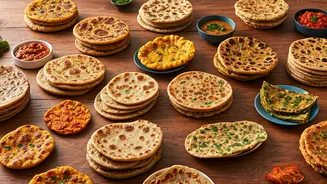
The fundamental appeal of most Indian vegetarian snacks lies in their unique and time-honored cooking methods, primarily centered around frying. Both deep-frying and shallow-frying techniques are employed to transform simple ingredients into irresistible delicacies. Deep-frying imparts a wonderfully crisp exterior and a tender, flavorful interior, characteristic of items like pakoras and samosas. Shallow-frying, while using less oil, still achieves a delightful golden-brown crust and a satisfying texture. These methods are not just about cooking; they are an art form that locks in flavors and creates the textural contrasts that are so beloved in Indian cuisine. This focus on achieving the perfect crispness and mouthfeel is what truly elevates these snacks and makes them a national obsession, enjoyed across all demographics and occasions.