






Selecting the Essentials
Building a charcuterie board begins with choosing the right components. A successful board includes a balance of flavors and textures, with several key
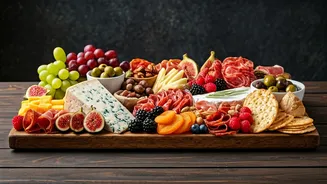
elements. Start with a selection of cured meats like prosciutto, salami, and chorizo, ensuring a variety of tastes. Next, add a range of cheeses, from soft brie and creamy goat cheese to harder cheddar or parmesan. Don't forget the accompaniments – consider crackers, crusty bread, olives, pickles, nuts, and dried fruits for added diversity. The goal is to create a visually appealing board with a symphony of flavors that excite the palate and are easily accessible for your guests. Aim for a mix of sweet, savory, and tangy components to satisfy every taste preference.
Meat and Cheese Choices
The cornerstone of any great charcuterie board is the meat and cheese. The meat selection should offer a range of textures, from thinly sliced prosciutto to hearty salami. Consider incorporating a spicy chorizo for a kick or a dry-cured ham for a contrasting taste. Cheese is equally important; a mix of hard, soft, and semi-hard cheeses provides variety. Opt for a creamy brie, a sharp cheddar, and perhaps a flavorful blue cheese. To enhance the experience, select cheeses with different milk sources, such as cow, goat, and sheep, and let them sit at room temperature for about 30 minutes before serving. This will help bring out their flavors and textures for an enhanced tasting experience. Always ensure food safety practices by using clean utensils and avoiding cross-contamination.
Accompanying Delights
Beyond the meats and cheeses, the supporting elements truly complete the charcuterie board. Crackers and crusty bread provide the perfect base for the other ingredients. Include a mix of textures, from simple water crackers to artisanal bread slices. Fresh and dried fruits add sweetness and visual appeal; grapes, figs, and dried apricots work wonderfully. Olives and pickles provide a tangy counterpoint, while nuts offer a satisfying crunch. Honey or jams can also be a delightful addition, adding an extra layer of flavor and complementing the cheeses and meats. Vary the options to cater to diverse tastes and preferences and ensure your board is as enjoyable to look at as it is to eat. The right accompaniments elevate the charcuterie experience.
Arranging Your Board
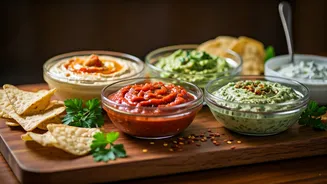
The art of charcuterie extends to presentation. Begin with a clean board and arrange the larger items first, like bowls of olives or piles of cured meats. Then, place the cheeses, allowing for varying heights and shapes for visual interest. Consider cutting some of the cheese in advance for ease of access. Arrange the meats in a visually appealing manner, perhaps fanning them out or rolling them. Fill in the gaps with the accompaniments, such as nuts, fruits, and crackers. Use small bowls to contain ingredients like olives or dips and consider adding garnishes like fresh herbs for color and aroma. The key is to create a well-balanced and aesthetically pleasing display. Aim for an inviting and abundant presentation, encouraging your guests to sample and enjoy.
Serving and Enjoying
Once your charcuterie board is assembled, it's time to serve. Place the board in a central location where guests can easily access it. Provide small plates and napkins, along with appropriate serving utensils for the cheese, meats, and accompaniments. It's often helpful to label the cheeses and meats, especially if you have selected unfamiliar items. Encourage your guests to try different combinations and explore the flavors. Consider pairing the charcuterie board with suitable beverages, such as red wine, white wine, or even craft beers. Keep an eye on the board and replenish items as needed, ensuring there is always a variety of options. Most importantly, create a relaxed and enjoyable atmosphere and embrace the social aspect of sharing a delicious and well-crafted charcuterie board.