





Understanding Congee Basics
Congee is essentially a rice porridge, a comforting and adaptable dish. Its simplicity belies a depth of flavor and versatility. It is a staple in various
Asian cuisines and is celebrated for its ease of preparation and the opportunity it provides to customize it with an array of ingredients. The fundamental aspect of congee rests on the slow-cooking of rice in a large quantity of water or broth. This process breaks down the rice grains, creating a thick, creamy consistency. While the basic recipe is straightforward, the nuances of achieving the perfect texture and flavor profile are where the art of making congee truly shines. Different types of rice and cooking times affect the final product, allowing for personal preferences to be incorporated. The simplicity of congee makes it suitable as a base for numerous additions, from savory meats and vegetables to sweet toppings, making it a complete meal to suit various tastes.
Essential Ingredients Needed
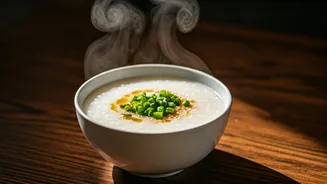
The beauty of congee lies in its simplicity; the ingredient list is short, yet the variations are endless. The core element is, of course, rice. Traditionally, long-grain rice like jasmine or Thai fragrant rice is used. However, you can also experiment with short-grain or glutinous rice for a stickier texture. The liquid component is usually water or broth. Broth, whether chicken, vegetable, or pork, enhances the depth of flavor. In terms of additional ingredients, salt is a must-have for seasoning. From there, the possibilities expand. Common additions include ginger, which adds warmth; soy sauce for umami; and various toppings like green onions, cilantro, fried shallots, and chili oil for extra flavor. Meats such as shredded chicken, pork, or fish are also popular, along with vegetables such as mushrooms, leafy greens, or carrots, offering added textures and nutrients. The choice of ingredients is driven by your taste buds.
Congee-Making Techniques Explained
The fundamental technique for making congee involves slow cooking. Start by rinsing your rice to remove excess starch, as this is the initial step towards a cleaner texture. Add the rice to a pot with ample water or broth. The typical ratio is about 1:8 or 1:10 rice to liquid, but this can vary depending on the texture you desire. Bring the mixture to a boil, then reduce the heat to low, ensuring it simmers gently. This simmering is key to achieving a creamy consistency. You can choose to cook it on a stovetop or in a slow cooker. Stovetop cooking requires occasional stirring to prevent sticking. Slow cookers offer a 'set it and forget it' convenience, making them ideal for long-cooking congee. The cooking time varies, usually taking anywhere from 1 to 3 hours, depending on your preferred consistency. Stirring at intervals encourages even cooking and helps to break down the rice grains. Adjusting the liquid level during cooking allows you to fine-tune the final texture, adding more liquid if it becomes too thick or allowing it to reduce if it is too thin.
Why Congee Works So Well
Congee's popularity spans continents and cultures, owing to a blend of practical and sensory factors. From a culinary perspective, its mild flavor profile makes it a blank canvas, easily adaptable to various tastes and dietary needs. The slow cooking process transforms simple ingredients into a dish that is easy to digest, making it an excellent option for those with sensitive stomachs or recovering from illnesses. It's often associated with healing and comfort, offering a soothing warmth. The versatility of congee allows for creative exploration in the kitchen, accommodating personal flavor preferences, seasonal ingredients, and available resources. It also provides a way to reduce food waste, using leftover rice and scraps of vegetables or meats. From a cultural perspective, congee serves as a symbol of home, nourishment, and community, often prepared and shared among families and communities. The dish is more than a meal; it is an experience, evoking nostalgia and a sense of care.
Congee Recipe Details
Here's a basic congee recipe to get you started: First, rinse 1 cup of long-grain rice. Place the rinsed rice in a pot with 8-10 cups of water or broth (chicken, vegetable, or pork). Bring it to a boil, and then reduce the heat to low. Simmer gently for 1.5 to 3 hours, stirring occasionally. The stirring process is crucial to prevent sticking and helps the rice break down, resulting in a creamy texture. You may add salt to taste. As the congee cooks, it will thicken. Add more liquid if the porridge becomes too thick, or let it simmer longer if it's too thin. Once the congee reaches your preferred consistency, it's ready to serve. For added flavor, stir in some ginger during the last hour of cooking. Serve hot, and top with your favorite additions like soy sauce, green onions, cilantro, fried shallots, chili oil, shredded chicken, or other desired ingredients. Enjoy this comforting and versatile dish!