






Planning Your Etna Adventure
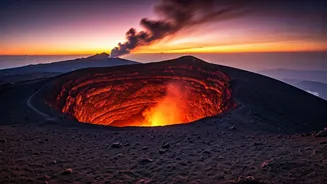
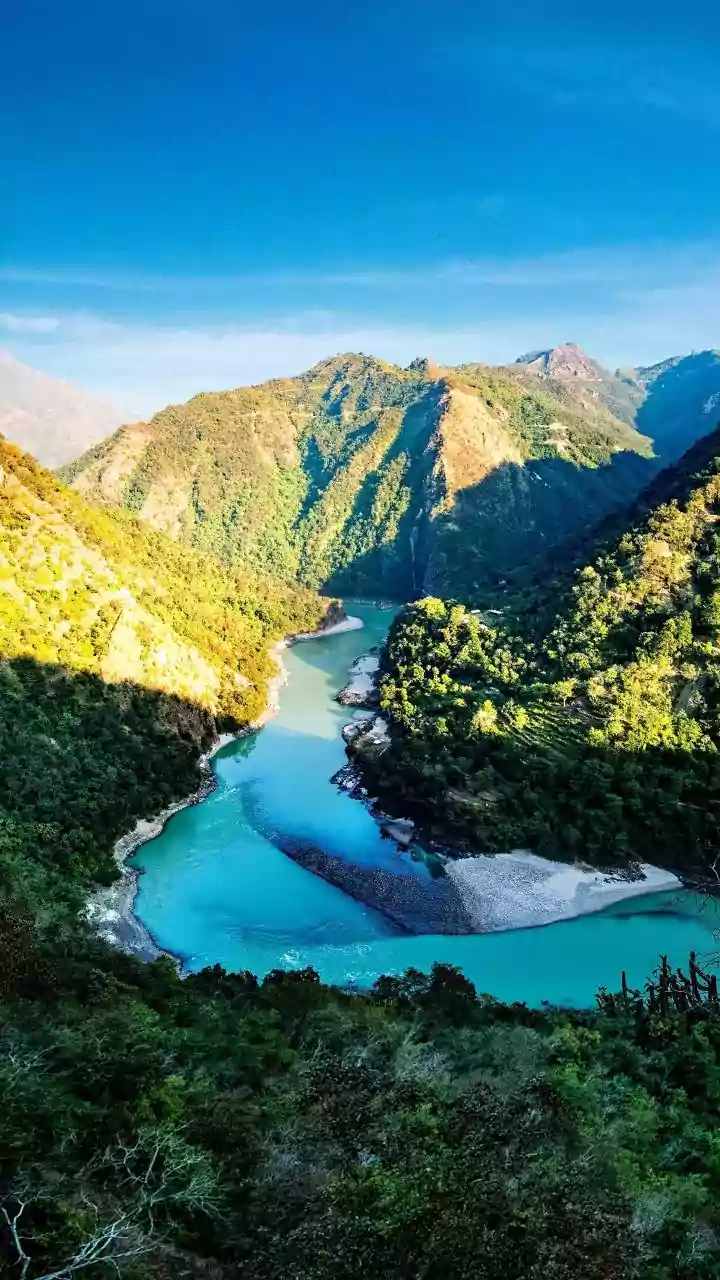
Mount Etna, a UNESCO World Heritage site and Europe's most active volcano, offers a unique hiking experience with landscapes transforming from verdant
forests to stark volcanic fields. To best enjoy this awe-inspiring destination, careful planning is paramount. The optimal times to visit for hiking are during the shoulder seasons: April, May, September, and October. During these months, the weather is pleasantly warm with sunny days, and visitor numbers are lower, providing a more serene experience. Spring sees vibrant Saponaria blooming on the lower slopes, adding a splash of color to the terrain. When considering your approach, you have two primary options: the wilder Etna Nord, accessible from Taormina, and the more developed Etna Sud, near Catania. Etna Nord, starting from Piano Provenzana, appeals to those seeking a more rugged adventure, winding through ancient lava flows and forests. Etna Sud, from Piazzale Rifugio Sapienza, is the more common route, offering amenities like a cable car and 4x4 bus services for easier access to higher altitudes.
Essential Gear & Guides
Hiking Mount Etna requires meticulous preparation, especially concerning attire and the necessity of professional guidance. Sturdy, closed-toe hiking boots are indispensable for navigating the uneven volcanic terrain, and long pants are recommended for protection. Given Etna's unpredictable weather, dressing in layers is crucial; pack a waterproof and windproof jacket, a fleece, and warm headwear, as temperatures can plummet at higher elevations even on warm days. Sun protection, including sunscreen, sunglasses, and a hat, is vital due to intense solar radiation at altitude. Don't forget to bring ample water and snacks, as facilities on the mountain are scarce. For those with less stability, trekking poles can significantly aid balance and reduce knee strain. A camera is essential to capture the dramatic scenery. Crucially, any ascent above 2500 meters (approximately 8202 feet) mandates the presence of a certified volcanological guide. These experts ensure your safety, share invaluable insights into the volcano's geology and history, and guide you along secure paths. When booking, verify their affiliation with official regional bodies. Gear, including boots and warm jackets, can often be rented from guides' huts, simplifying logistics for visitors.
Choosing Your Route
Mount Etna presents a variety of trails catering to different hiking preferences and physical capabilities. For those seeking a less strenuous introduction, the Silvestri Craters, located near Rifugio Sapienza on the southern slope, offer accessible paths around extinct volcanic cones with captivating views. These are ideal for a short excursion, including families with young children. The Torre del Filosofo trail, also commencing from Rifugio Sapienza, leads to a former weather station and serves as a jumping-off point for guided excursions towards the summit craters. For a more challenging and immersive experience, venturing towards the summit craters (around 3357 meters or 11014 feet) is possible but strictly requires a certified guide due to the active nature of these formations. The northern side, Etna Nord, provides a different, often less crowded, hiking environment. Routes here traverse stark lava fields and sometimes ascend through pine forests, offering a unique perspective of the volcano's diverse ecosystems. When planning your hike, always check current volcanic activity and weather conditions, as these can impact trail accessibility and safety.
Navigating Etna's Slopes
Reaching the slopes of Mount Etna involves different logistical considerations depending on whether you choose the northern or southern access points. For Etna Sud, the most direct public transport from Catania is a daily bus service from Piazza Giovanni XXIII, taking approximately two hours to reach Rifugio Sapienza. However, purchasing tickets online does not guarantee a seat, and the early morning departure time means you might miss the start of guided treks. An alternative is to arrange private taxi transport, which should be negotiated carefully for a round trip. Organized tours from Catania are also a popular and convenient option, often including hotel pickup and drop-off. Access to Etna Nord is less straightforward via public transport, with companies like Go Etna offering minibus transfers from Catania and Taormina. For those with their own vehicle, both sides are accessible, though the roads can be winding. Once on the mountain, the journey to higher elevations often involves a cable car (Funivia dell’Etna) on the southern side, reaching about 2500 meters, followed by specialized 4x4 buses. These services are subject to volcanic activity and aim to reduce the strenuousness of the climb, allowing more time to appreciate the extraordinary lunar-like landscapes.