






Commercial Gas Costs Soar
As of May 1st, the price of a 19-kg commercial LPG cylinder has dramatically increased by Rs 993, reaching Rs 3,071.50 in Delhi and approximately Rs 3,024
in Mumbai. This substantial hike, announced by state-run oil marketing companies including Indian Oil Corporation, Bharat Petroleum Corporation Limited, and Hindustan Petroleum Corporation Limited, has placed immense pressure on businesses, particularly in the food service industry. Restaurants have been forced to adapt by removing gas-intensive dishes like dosas, pooris, biryani, and samosas from their menus. Some establishments have even pivoted to offering only cold dishes, a strategy that aligns with the prevailing heatwave conditions. Tragically, many smaller eateries, heavily reliant on LPG cylinders for their operations, have faced closure due to the unavailability of refills. This situation highlights the severe economic strain being placed on small and medium-sized businesses operating within the food sector.
Global Energy Crisis Impact
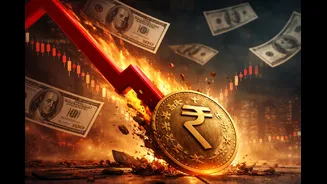
The current energy landscape is fraught with challenges, exacerbated by a 77-day conflict originating in Iran. The closure of the Strait of Hormuz has created a global state of emergency, with fuel reserves dwindling to critical lows in many nations. Cuba, for instance, has reported a complete depletion of diesel and fuel oil, leading to extensive daily blackouts of up to 22 hours. Similarly, the Philippines has declared a national energy emergency, possessing less than 40 days of fuel reserves. Within India, the Strategic Petroleum Reserves (SPR) currently hold approximately 9.5 days of fuel, a figure considerably lower than the 90-day benchmark recommended by the International Energy Agency (IEA) for its member countries. These global disruptions contribute directly to escalating prices across various sectors, including air travel, consumer goods, groceries, and transportation, as companies pass on increased operational costs to consumers.
Home Gas Connections Scrutinized
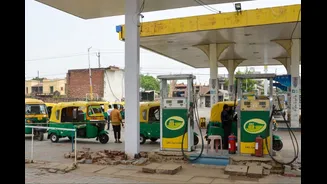
While the cost of a 14.2 kg domestic gas cylinder has remained relatively stable, hovering around Rs 912.50 in Mumbai, Rs 913 in Delhi, and Rs 939 in Kolkata following a Rs 60 increase in March, reports suggest this stability might be short-lived. Government sources have indicated that domestic LPG cylinder prices could potentially rise by Rs 40-50 per cylinder in the near future. Concurrently, the Government of India is intensifying enforcement of its 'one household, one connection' rule. This policy, aimed at streamlining gas distribution and potentially managing supply amidst global energy uncertainties and geopolitical tensions in West Asia, makes it illegal to possess more than one gas connection per household. This stringent enforcement could impact households that previously maintained both LPG cylinders and PNG connections.
Calls for Austerity Measures
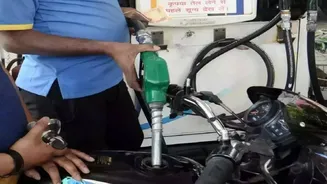
In response to escalating energy prices and supply chain disruptions stemming from the conflict in West Asia, Prime Minister Narendra Modi has strongly urged citizens to exercise 'great restraint' in their consumption of petrol, diesel, and gas. He has advocated for widespread adoption of austerity measures. These recommendations include significant reductions in fuel usage, a greater reliance on public transportation systems, a transition towards electric vehicles, and the encouragement of work-from-home arrangements where feasible. The emphasis on conservation and alternative energy solutions reflects a broader national strategy to mitigate the impact of global energy market volatility and ensure energy security for the country's growing demands.