




Andalusia's Dramatic Beauty
Perched precariously over the El Tajo gorge, Ronda is a spectacle of natural and architectural marvel. Its iconic Puente Nuevo offers breathtaking vistas,
while the well-preserved old town, historic bullring, and inviting tapas bars provide a deep dive into Andalusian charm. Nearby, Frigiliana, a quintessential 'pueblo blanco,' enchants with its labyrinthine streets adorned with flowers and tiles, leading to panoramic Mediterranean views. This whitewashed village is also celebrated for its sweet wine and traditional crafts. Further south, Setenil de las Bodegas presents a truly unique spectacle, with homes ingeniously built into and beneath massive rock overhangs, creating an unforgettable urban landscape where you can dine under natural stone roofs.
Catalonia's Coastal Charms
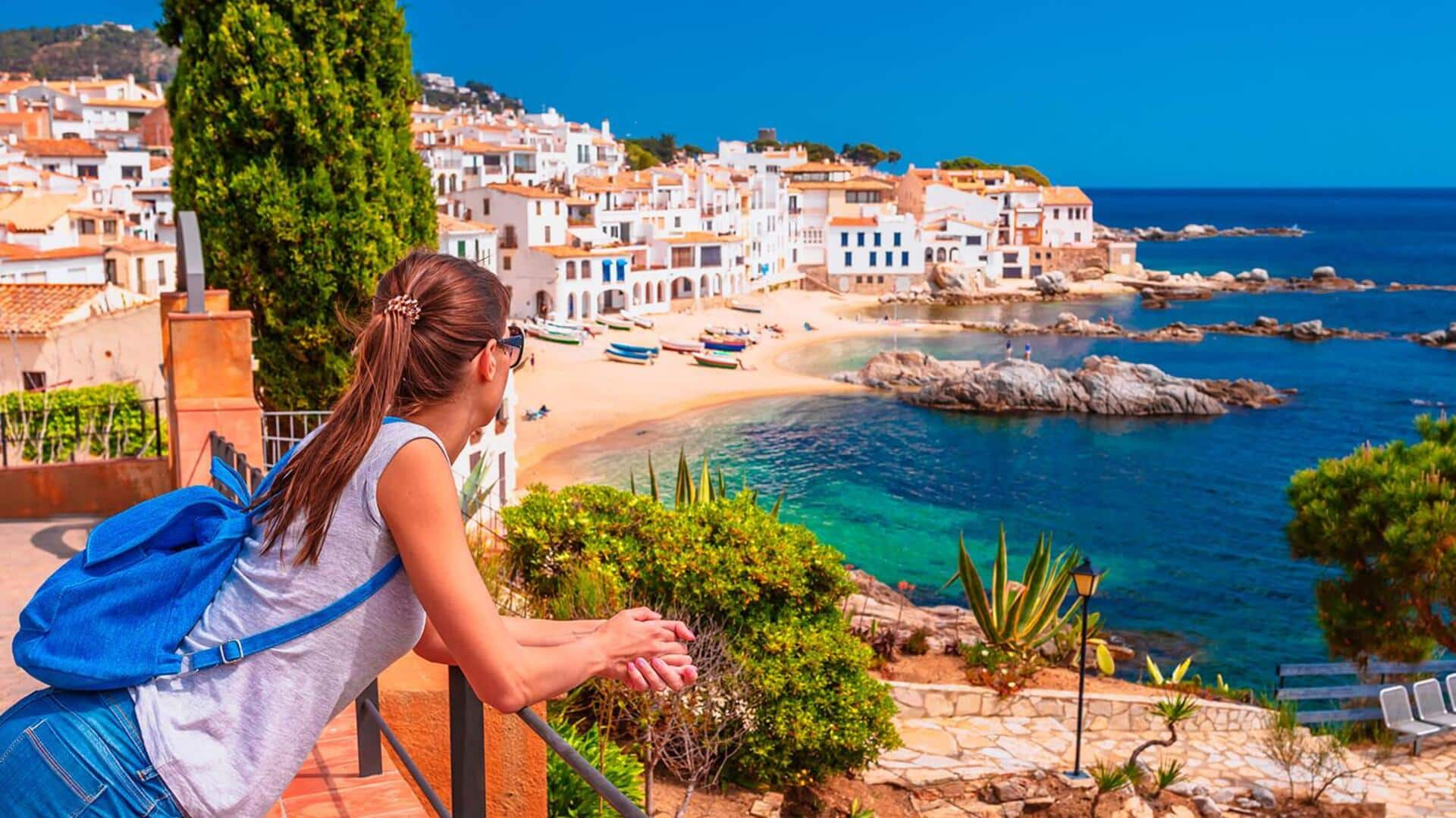
Cadaqués, a jewel on the Costa Brava, captivates with its pristine whitewashed homes, blue-domed churches, and crystalline waters, famously inspiring artists like Salvador Dalí, whose former residence is now a museum. The town exudes a bohemian allure, complemented by quaint boutiques and excellent seafood. A short distance inland, Besalú transports visitors back in time with its remarkably preserved medieval architecture. Dominated by a stoic Romanesque bridge that has stood for centuries, exploring its narrow lanes reveals an ancient synagogue, a mikveh, and meticulously maintained historic buildings, making it feel like a living museum.
Northern Spain's Coastal Enclaves
Cudillero in Asturias is a vibrant fishing port nestled in a natural amphitheater overlooking the Cantabrian Sea. Its distinctive charm lies in its houses cascading down the hillside towards the picturesque harbor, creating a striking visual. Visitors can wander through its narrow alleys and savor fresh seafood while soaking in the authentic Asturian atmosphere. Lastres, another Asturian coastal gem, is a delightful fishing village dramatically situated on a hillside. Its colorful houses, winding streets, and charming harbor paint a postcard-perfect scene, offering stunning sea views and a tranquil ambiance ideal for a peaceful retreat.
Aragon's Medieval Majesty
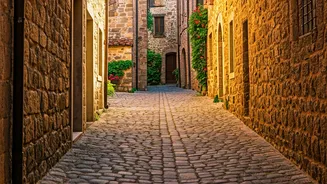
Albarracín in Aragon is frequently lauded as one of Spain's most beautiful villages, a medieval walled town seemingly untouched by time. Its characteristic pink-hued buildings, narrow cobblestone pathways, and formidable castle walls evoke a journey to a bygone era. The surrounding Sierra de Albarracín invites exploration with its hiking trails and natural beauty. Similarly, Aínsa, located in the heart of the Pyrenees, boasts a magnificent main square, Plaza Mayor, framed by arcaded buildings. Its strategic position near Ordesa y Monte Perdido National Park makes it an excellent gateway for discovering the region's natural wonders, with its castle and Romanesque church adding to its historical allure.
Basque Country's Sophistication
While technically a larger city, San Sebastián gracefully retains the intimate feel of a small town, defined by its stunning crescent-shaped bay and the renowned La Concha beach. Its culinary scene is legendary, particularly its pintxos (Basque tapas), offering a sophisticated yet accessible gastronomic journey. Exploring the old town and enjoying world-class dining while taking in the breathtaking coastal panoramas provides a unique urban experience with a small-town heart. A short drive from Bilbao brings you to Zumaia, a Basque treasure celebrated for its extraordinary geological formations known as the Flysch. These coastal rock structures, layered like a mille-feuille pastry, showcase millions of years of geological history and are best explored by hiking the Ruta del Flysch or walking amongst the tidal pools at low tide.
Hidden Corners of Catalonia
Beget, nestled deep within the Catalonian Pyrenees, offers an unparalleled sense of remoteness. This honey-hued village, which only gained car access in the 1960s and cell service in 2023, is a perfectly preserved gem with cobblestone streets and stone bridges set against a dramatic natural backdrop. The 12th-century Iglesia de Sant Cristòfol is a key landmark, and the village serves as an excellent starting point for the GR 11 hiking trail through ancient oak forests, echoing historical journeys of exiles.
Galicia's Coastal Heritage
Combarro, a picturesque fishing village in Galicia, offers a unique coastal experience. While part of the Camino de Santiago pilgrimage route, its location on a quieter detour means fewer crowds. The village is famed for its numerous stone hórreos (granaries) lining the shoreline, a distinct symbol of Galician architecture best appreciated at low tide. Visiting outside the peak summer months, even with the possibility of rain, allows for a more serene appreciation of its charm.
Andalusia's Olive Oil Haven
Priego de Córdoba stands out as a quintessential southern Spanish village with its whitewashed facades and vibrant flora, but its true distinction lies in its world-renowned extra-virgin olive oil. This region has consistently been recognized for producing the highest quality olive oil for 14 consecutive years. Visiting during the November to January harvest season allows travelers to witness the oil production firsthand, from ancient groves to pressing and tasting. The surrounding mountainous landscape also offers excellent hiking opportunities, including treks to the highest peak, La Tiñosa, where one can observe local farmers harvesting olives.
Extremadura's Historical Depths
Trujillo, located in the Extremadura region, boasts a historical significance comparable to major cities, with remnants of its past easily accessible. Guided tours are highly recommended to explore its Plaza Mayor, Moorish architecture such as the Aljibe (underground cistern), and the 10th-century Alcazaba castle, which has served as a filming location for Game of Thrones. The town also offers access to nearby towns like Cáceres, where local muralists use the transpantojo technique to create striking 2D art on building facades, paying homage to regional professions and daily life.
Salamanca's Rustic Charm
San Martín del Castañar, situated in the Sierra de Francia south of Salamanca, is a town steeped in history. Its well-preserved medieval stone houses with rustic wooden balconies, ancient Roman paths and bridges, and the second-oldest bullring in Spain contribute to its timeless appeal. A 15th-century castle watchtower now functions as the visitor center. The town is named after the chestnut trees that line its hiking trails, including the 'Camino de las Esculturas,' a unique trek blending art and nature. In warmer months, the natural spring pool in the Parque Municipal offers a refreshing local experience.