






The Growing Kidney Crisis
Chronic kidney disease (CKD) has reached epidemic proportions in India, impacting an estimated 13.24% of the adult population. Alarmingly, this figure
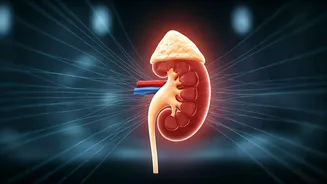
represents a significant increase from previous years, jumping from 11.12% to 16.38% of adults diagnosed. Our kidneys, vital organs responsible for filtering waste from the blood and maintaining essential mineral balances (electrolytes), often deteriorate without noticeable symptoms. This gradual decline means individuals may only become aware of the disease when their kidneys have lost a substantial portion of their functionality, making early intervention incredibly challenging.
Diabetes and Hypertension's Toll
The escalating rates of diabetes and hypertension in India are directly fueling the kidney disease crisis, as these are the primary culprits behind renal failure. For individuals managing these conditions, routine early screening is no longer a suggestion but a crucial preventive strategy. Identifying kidney damage in its nascent stages allows for interventions that can significantly slow the disease's progression, potentially averting the need for life-sustaining treatments like long-term dialysis or kidney transplantation. This proactive approach is paramount in managing a condition that can otherwise progress insidiously.
The Silent Erosion
A significant challenge with Chronic Kidney Disease (CKD) is its insidious nature; it's often referred to as a 'silent killer'. A study highlighted in The Lancet reveals India ranks second globally in the number of individuals living with CKD, with an estimated 138 million affected. This underscores the vast scale of a condition that frequently advances to significant kidney damage before any signs emerge. Kidneys possess remarkable resilience and can often compensate for functional loss until roughly half their capacity is compromised. In India, diabetes and high blood pressure are the principal drivers of kidney ailments. Elevated blood sugar levels harm the glomeruli, the kidney's filtering units, while hypertension exerts pressure on the blood vessels essential for kidney function. Research indicates that individuals with both diabetes and hypertension face an almost six-fold greater risk of impaired kidney function compared to the general population.
Recognizing Early Signs
Many individuals experiencing early-stage CKD exhibit no discernible symptoms, making them unaware of the underlying issue. It's typically by stage 3 or 4 that symptoms like persistent fatigue, swelling in the ankles, or changes in urination patterns become apparent. At these advanced stages, treatment options for CKD become more limited and primarily focus on slowing the rate of decline rather than reversing damage. This highlights the critical importance of not waiting for symptoms to appear before considering kidney health, especially for those with pre-existing conditions like diabetes or hypertension.
The Crucial Role of Screening
Early detection plays an absolutely vital role in halting the advancement of kidney disease. Simple diagnostic tests, such as measuring serum creatinine levels, estimating glomerular filtration rate (eGFR), and conducting a urine albumin test, can reveal kidney damage even before any outward symptoms manifest. These tests are widely accessible, cost-effective, and can be seamlessly integrated into the regular health check-ups for individuals with diabetes and hypertension. Timely diagnosis coupled with an appropriate treatment plan can significantly reduce the prevalence of CKD and decrease the likelihood of requiring dialysis or a kidney transplant as a last resort. Furthermore, early intervention allows medical professionals to focus on optimizing blood pressure and sugar control, adjusting medications that may affect kidney function, and recommending dietary and lifestyle modifications conducive to kidney health.
Yearly Checks for High-Risk
Nephrology guidelines strongly recommend that individuals who suffer from diabetes or high blood pressure should undergo annual screenings to assess their kidney function. Incorporating these essential tests as a standard part of managing these chronic conditions can help identify kidney damage during its most treatable phase. By making these screenings a routine part of care, we empower individuals to take control of their health and potentially prevent the progression of serious kidney complications, ensuring that treatment is initiated when it is most effective.
National Health Initiatives
India is actively addressing the rising burden of kidney disease through comprehensive non-communicable disease (NCD) programs. The National Programme for Prevention and Control of Non-Communicable Diseases (NP-NCD) encourages early screenings for conditions like diabetes and hypertension, which in turn helps identify individuals at risk for kidney complications. Moreover, under the Ayushman Bharat scheme, over 1.5 lakh health and wellness centers are now offering routine screenings for prevalent conditions such as high blood pressure and diabetes, acting as crucial first points of detection for many patients who might otherwise remain undiagnosed. For those already in advanced stages of kidney disease, the government has implemented the Pradhan Mantri National Dialysis Programme, expanding dialysis services through district hospitals to alleviate financial burdens on families. However, experts consistently emphasize that the most significant impact is achieved when kidney issues are detected at an early stage, well before the need for intensive treatments like dialysis arises.