





Ingredient Insights
Navigating the world of food often brings questions about specific ingredients and their preparation. For instance, when aiming for that perfect pulled
pork, selecting the right cut of meat is paramount; look for cuts with good fat marbling which will break down during slow cooking, ensuring tenderness and moisture. A common query is whether to wash raw meat; generally, health authorities advise against it as it can spread bacteria around your kitchen surfaces. The journey of food also includes understanding processed ingredients like Wondra flour, a finely granulated wheat flour known for its superior thickening properties and ability to create smooth sauces without lumps. Similarly, distinguishing between similar items like sweet potatoes and yams is crucial for recipe success, as they have different textures and flavors. Understanding the composition of common sweeteners, such as the difference between brown sugar and confectioners' sugar, and even how to make brown sugar at home in minutes, equips you with greater control over your recipes. The origin and nature of ingredients like MSG, garlic, and various chile peppers also feature prominently in food discussions, along with the science behind everyday items like milk and the potential differences between organic and regular varieties. Finally, knowing how to identify and utilize diverse produce like different mango varieties or English walnuts, and understanding their storage needs, enhances your culinary repertoire.
Technique Toolkit
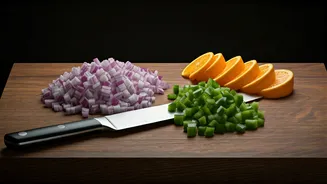
Elevating your cooking skills involves mastering a variety of techniques. For example, understanding the creaming method in baking is fundamental for achieving light and airy cakes and cookies; it involves beating butter and sugar together until pale and fluffy, incorporating air that expands during baking. When it comes to meats, learning how to cook boneless, skinless chicken breasts to perfection, avoiding dryness, is a common goal. Similarly, achieving a perfect prime rib requires specific techniques, often involving a low-temperature oven followed by a high-heat sear. For bakers, preventing a soggy bottom pie crust is a perennial challenge, often solved by pre-baking the crust or using specific fillings. The differences between cooking methods like barbecue, grilling, and smoking are also essential to grasp, as each imparts distinct flavors and textures. For those seeking precise temperature control, sous vide cooking offers an advanced yet accessible approach to culinary excellence. Even seemingly simple tasks like how to baste a turkey without a special tool or the best way to thaw meat quickly are crucial for successful meal preparation. Furthermore, mastering knife skills is foundational for efficient and safe cooking, and knowing how to sharpen and hone your knives ensures optimal performance. Even troubleshooting common recipe mishaps, like adding too much baking soda or baking powder, or oversalty dishes, can be managed with practical advice.
Culinary Exploration & Safety
Beyond basic techniques, the culinary world is rich with history, innovation, and important considerations for safety and dietary needs. The evolution of foods, such as the history of gluten-free bread, reflects changing dietary landscapes and scientific advancements. Innovations like lab-grown meat represent the future of food production, raising questions about sustainability and ethics. For those concerned with dietary restrictions or preferences, understanding if cheese is vegetarian, or if chocolate is vegan, is vital for informed choices. Similarly, exploring dishes from different cultures, like misconceptions about Indian food, broadens culinary horizons. Food safety and sanitation are paramount in any kitchen; this includes understanding proper cooking temperatures for meats like beef to ensure they are safe to eat, and knowing how to handle and store food to prevent spoilage. Even the process of how salt is made or the unique properties of hominy corn contribute to a deeper appreciation of our food sources. Practical tips like how to macerate fruit to enhance its flavor and texture, or how to dry fruits and vegetables using a dehydrator, expand the possibilities for preserving and enjoying produce. Finally, gaining knowledge about equipment, such as what size slow cooker to buy, or fundamental principles like how an emulsion is formed, empowers home cooks to experiment and excel.