



The Magic of Clay Pots
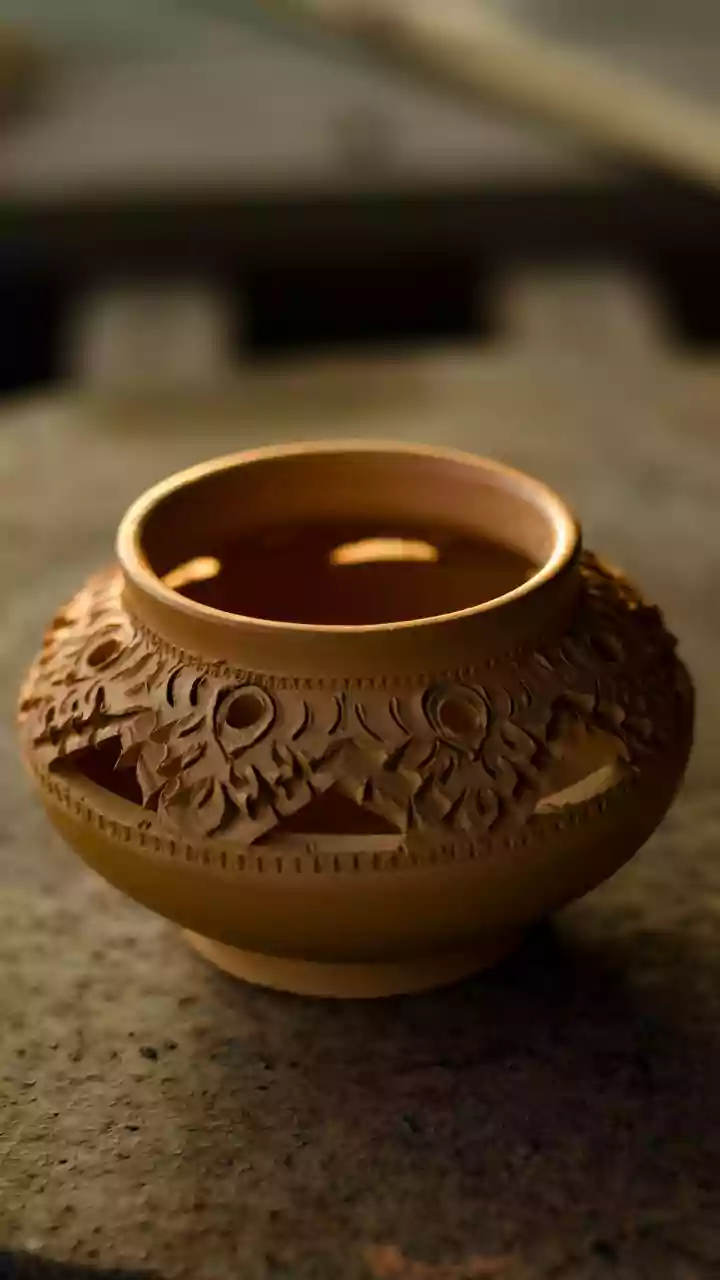
Long before refrigeration, the unassuming earthen pitcher, or 'matka,' was a cornerstone of household cooling in India. Its porous clay walls allow for a slow
and steady evaporation of water from the outer surface. This natural process draws heat away from the water stored inside, maintaining a remarkably cool temperature even when outside temperatures soar. It's a testament to simple, sustainable technology that offered relief through the power of evaporation, proving that effective cooling doesn't require electricity.
Fragrant Khus Screens
Before the advent of electric air coolers, the sweet, earthy aroma of vetiver grass, known as 'khus,' provided a natural cooling solution. Intricately woven mats made from these fragrant roots were strategically placed over windows and doors. These screens would be lightly dampened, and as hot air passed through them, the water would evaporate, significantly lowering the temperature of the incoming air. Not only did this cool the environment, but it also infused the interiors with a pleasant, calming scent.
Shade from Neem Trees
Ancient Indian homes were often thoughtfully designed to incorporate nature's cooling elements. Many were built with mature trees, particularly the revered neem, in close proximity or even within courtyards. These trees offered a dense canopy of shade, which dramatically reduced direct sunlight on the house, thereby lowering interior temperatures. Beyond just shade, the presence of these trees also contributed to better air quality and a cooler microclimate around the dwelling, showcasing a holistic approach to natural comfort.
Insulating Mud Roofs
In stark contrast to modern concrete terraces, traditional Indian homes often featured roofs constructed with layers of mud, sometimes reinforced with straw or cow dung. This thick, earthy layer acted as a highly effective insulator, preventing the intense summer sun from heating up the interior spaces. To further enhance the cooling effect, it was common practice to sprinkle water on these mud roofs during the hottest parts of the day. The evaporation of this water would then draw heat away, keeping the rooms below significantly cooler.
Cool Woven Floor Mats
Forget synthetic carpets and memory foam; our grandparents relied on the natural coolness of woven floor mats for comfort. Crafted from materials like bamboo, jute, or date palm leaves, these 'chatais' possessed an inherent ability to stay cool to the touch, even during sweltering weather. Laying on these mats offered a direct and pleasant respite from the heat of the floor, a simple yet effective way to maintain a comfortable indoor environment without any external power source.