


Lanolin: The Woolly Wonder
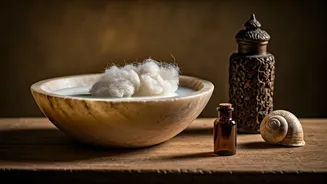
Long before modern moisturizers, ancient Romans harnessed the power of lanolin, a natural emollient extracted from sheep's wool. This rich substance was
meticulously applied as an overnight treatment, working diligently to fortify the skin's natural barrier. Its primary function was to trap moisture, ensuring the skin remained deeply hydrated, supple, and thoroughly protected from environmental stressors. While its aroma might not have been its most appealing feature, its efficacy in maintaining skin health was undeniable. Today, lanolin continues to be a valued ingredient in potent moisturizers and soothing lip balms, a testament to its enduring skincare benefits passed down through millennia.
Cleopatra's Milky Elixir
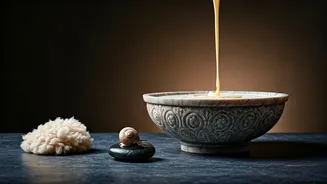
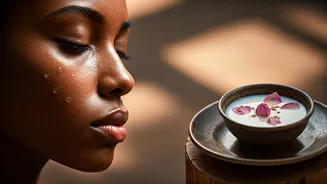
The legendary Egyptian queen, Cleopatra, was famously known for her opulent bathing rituals, which famously included immersing herself in fresh milk. This practice was not merely for indulgence but served a significant skincare purpose. Milk, rich in lactic acid, acts as a gentle yet effective natural exfoliant. By dissolving dead skin cells, it reveals a layer of fresh, vibrant skin beneath, leading to a progressively smoother and more luminous complexion. This ancient method of achieving soft, glowing skin highlights the profound understanding early civilizations had of natural ingredients for cosmetic enhancement.
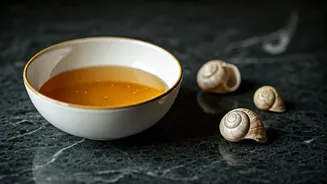
Snail Slime Serenity
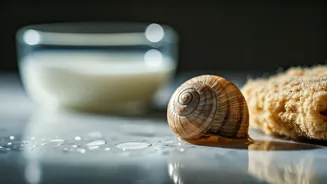
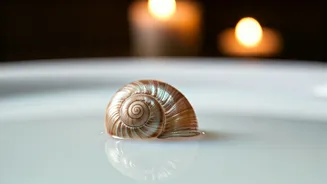
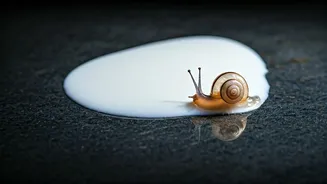
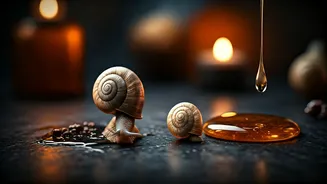
The current global fascination with snail mucin in skincare has ancient roots, predating modern cosmetic formulations by centuries. In earlier times, the application was far more direct: snails were encouraged to traverse across the face, leaving their potent mucus behind. This sticky trail, now recognized for its remarkable properties, is a treasure trove of peptides, antioxidants, and hyaluronic acid. These components are crucial for repairing the skin's protective barrier, delivering intense hydration, and combating the signs of aging. What was once a tactile experience is now refined into concentrated serums, yet the fundamental benefits remain the same.
Honey: Nature's Sweet Healer
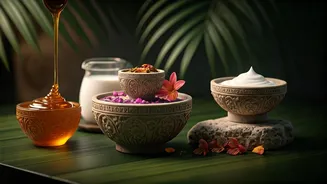
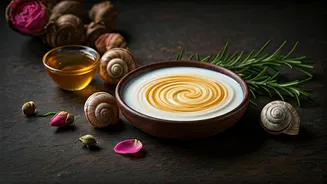
With a history of use stretching back over 15,000 years, honey has been a cornerstone of natural skincare and healing practices. Applied directly to the face, its inherent moisturizing, soothing, and antibacterial qualities were highly prized. This led to skin that was calmer, clearer, and more hydrated. Beyond cosmetic applications, ancient cultures utilized honey's potent antimicrobial properties for wound care. While its sticky nature could make removal challenging and sometimes painful, its unparalleled ability to promote healing made it an indispensable remedy, even if visually challenging.
Unconventional Animal Ingredients
The pursuit of beauty in ancient times sometimes led to the adoption of rather unconventional practices involving animal byproducts. Some cultures incorporated ingredients such as crocodile and cow dung, alongside goat and camel milk, into their skincare routines. These were employed for their perceived nourishing and exfoliating properties, aiming to revitalize the skin. While many of these methods have thankfully fallen out of common practice, the core ingredients derived from animals that have endured and remain relevant in modern beauty are honey and milk, highlighting a selective retention of ancient wisdom.