






Rewind Your Brain Age
It's a common misconception that the gym is solely for physical aesthetics or weight management. However, cutting-edge research, as highlighted by neurologist
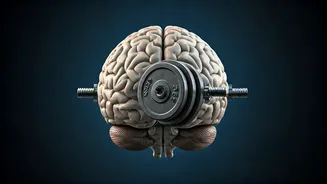
Dr. Sudhir Kumar, reveals a profound connection between strength training and brain youthfulness. A notable randomized trial indicated that engaging in consistent resistance training can actually decrease your brain's estimated age by up to two years. This means that while you're getting physically stronger, you're simultaneously stimulating neural pathways, effectively promoting a younger, more resilient brain. This process is akin to actively counteracting the natural aging trajectory of your brain, allowing it to perform optimally for longer periods and enhancing your overall cognitive longevity.
Boost Cognitive Power
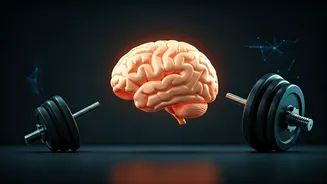
Beyond delaying the aging process, strength training acts as a potent enhancer for critical cognitive functions. Scientific reviews suggest that incorporating resistance exercises significantly sharpens your executive functions, which are crucial for effective planning, complex problem-solving, and astute decision-making. Furthermore, it bolsters your working memory, enabling you to hold and process more information simultaneously, which is vital for multitasking and quick thinking. Your attention span also sees a marked improvement, helping you maintain focus amidst the constant distractions of modern life. In essence, weightlifting empowers you to process information faster, sustain concentration for extended durations, and manage intricate tasks with greater ease and efficiency.
Nourish Your Neurons
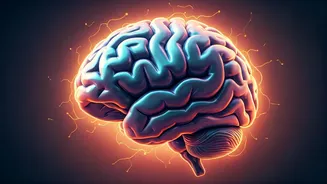
Lifting weights is not merely about muscle hypertrophy; it's a catalyst for crucial brain-supportive chemical releases. When you engage in resistance training, your body releases vital compounds like Brain-Derived Neurotrophic Factor (BDNF) and Insulin-like Growth Factor 1 (IGF-1). These substances function as powerful growth stimulants for your brain, akin to 'Miracle-Gro' for neural cells. They are instrumental in promoting neuronal survival, fostering neuroplasticity—the brain's remarkable ability to adapt and form new connections—and maintaining the integrity of white matter, which is essential for efficient signal transmission. These neurotrophic factors play a pivotal role in learning, memory formation, and the brain's overall capacity for adaptation and repair.
Combat Brain Inflammation
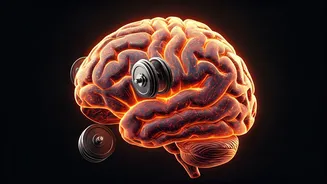
Chronic inflammation within the brain, often termed neuroinflammation, poses a significant threat to cognitive health over time, subtly undermining mental acuity. Fortunately, regular engagement in resistance exercise provides a powerful defense against this insidious process. Strength training triggers beneficial biochemical shifts in the body that effectively dampen inflammatory responses throughout the brain. This protective effect is crucial for warding off age-related cognitive decline and mitigating the effects of 'brain fog,' a common symptom of mental fatigue and reduced clarity. By reducing inflammation, strength training helps preserve mental sharpness and supports long-term neurological well-being.
Smart Training Strategy
The good news is that achieving these remarkable brain benefits doesn't require dedicating extensive hours to the gym. A strategic approach to strength training can yield significant results with manageable effort. Aim for consistency by engaging in 2-3 sessions per week, focusing on fundamental compound movements like squats, deadlifts, rows, and presses, which engage multiple muscle groups simultaneously. Crucially, ensure your workouts remain challenging; progression is key. If an exercise no longer pushes your limits, it's unlikely to stimulate further change. By adhering to this principle of progressive overload, you maximize the neurocognitive advantages derived from your training regimen.