




Timing is Everything
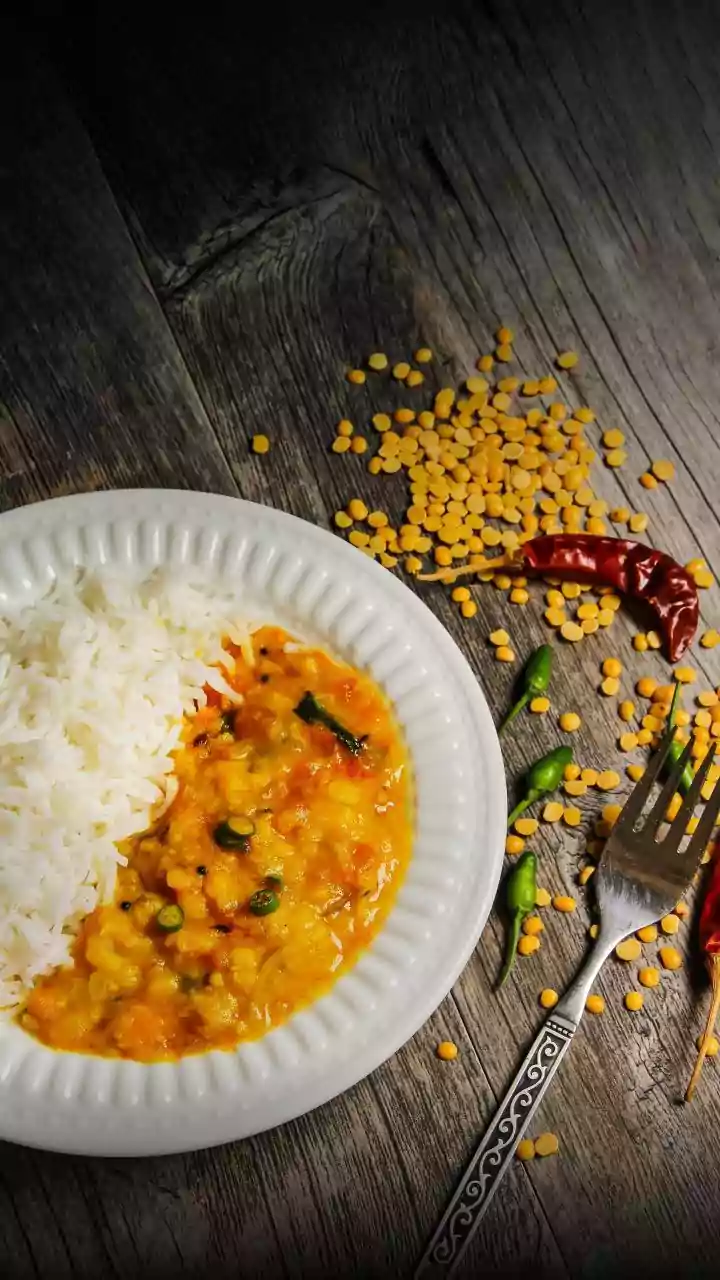
The subtle art of cooking dal often hinges on small, seemingly insignificant steps. One such crucial detail is the precise moment you introduce tamarind.
While its tangy, complex flavor is indispensable in many beloved Indian dals, its acidic nature plays a significant role in the cooking process. Understanding when to add it can be the difference between a grainy, unevenly cooked dal and a wonderfully smooth, soft, and flavorful dish. This guide delves into why this specific timing adjustment makes such a profound impact on the final outcome of your lentil preparations.
Acidic Hurdles Early On
When tamarind, with its inherent acidity, is incorporated into lentils before they've had a chance to soften, it acts as a barrier to proper cooking. Lentils need to absorb water and gradually break down to achieve that desirable creamy consistency. However, the presence of acid before this process is complete significantly hinders their ability to soften. This interference means the dal may require substantially more cooking time, and even then, it might retain a slightly firm or granular texture rather than becoming tender and smooth. This is precisely why introducing tamarind too early often results in an inconsistent texture, even after extended simmering.
The Case for Late Addition
Adding tamarind towards the conclusion of the cooking process offers several key advantages. Firstly, it ensures the lentils have fully softened and achieved their ideal tender state without the hindrance of acid. Once this is accomplished, the tamarind can be blended in seamlessly, preserving the dal's creamy texture and preventing any graininess. Secondly, incorporating tamarind later allows its vibrant, tangy notes to remain bright and pronounced, as prolonged cooking can sometimes dull its sharp, fresh flavor. Finally, this timing prevents the risk of overcooking the dal, which can negatively affect the structure of the lentils and the overall palate of the dish. It's a simple switch that guarantees a better-balanced and more satisfying result.
Common Pitfalls to Sidestep
To truly master the art of dal preparation, it's essential to be aware of common mistakes. A primary error to avoid is adding tamarind directly to uncooked lentils, especially when pressure cooking, as this will impede their softening. Furthermore, be mindful of the quantity; using too much tamarind can easily overpower the delicate flavors of the dal. Always ensure that tamarind pulp is properly strained before use, removing any fibrous bits or seeds. This step is vital for achieving a consistently smooth and palatable texture in your finished dish. Adhering to these practices will ensure your dal is always a culinary success.
Tamarind's Dal Domain
The strategic use of tamarind is particularly prevalent in a variety of regional Indian dal preparations, where its characteristic tang is a hallmark. It plays an indispensable role in iconic dishes like Sambar, a lentil-based vegetable stew popular across South India. Rasam, a light and flavorful soup, also frequently benefits from tamarind's zesty contribution. Furthermore, many other South Indian-style dal preparations and tangy toor dal recipes leverage this technique to achieve their signature taste profiles. Recognizing these common applications helps to highlight the importance of the correct tamarind addition for authentic flavor and texture.