





Rhino Royalty Reigns
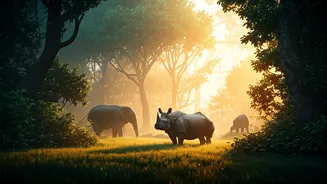
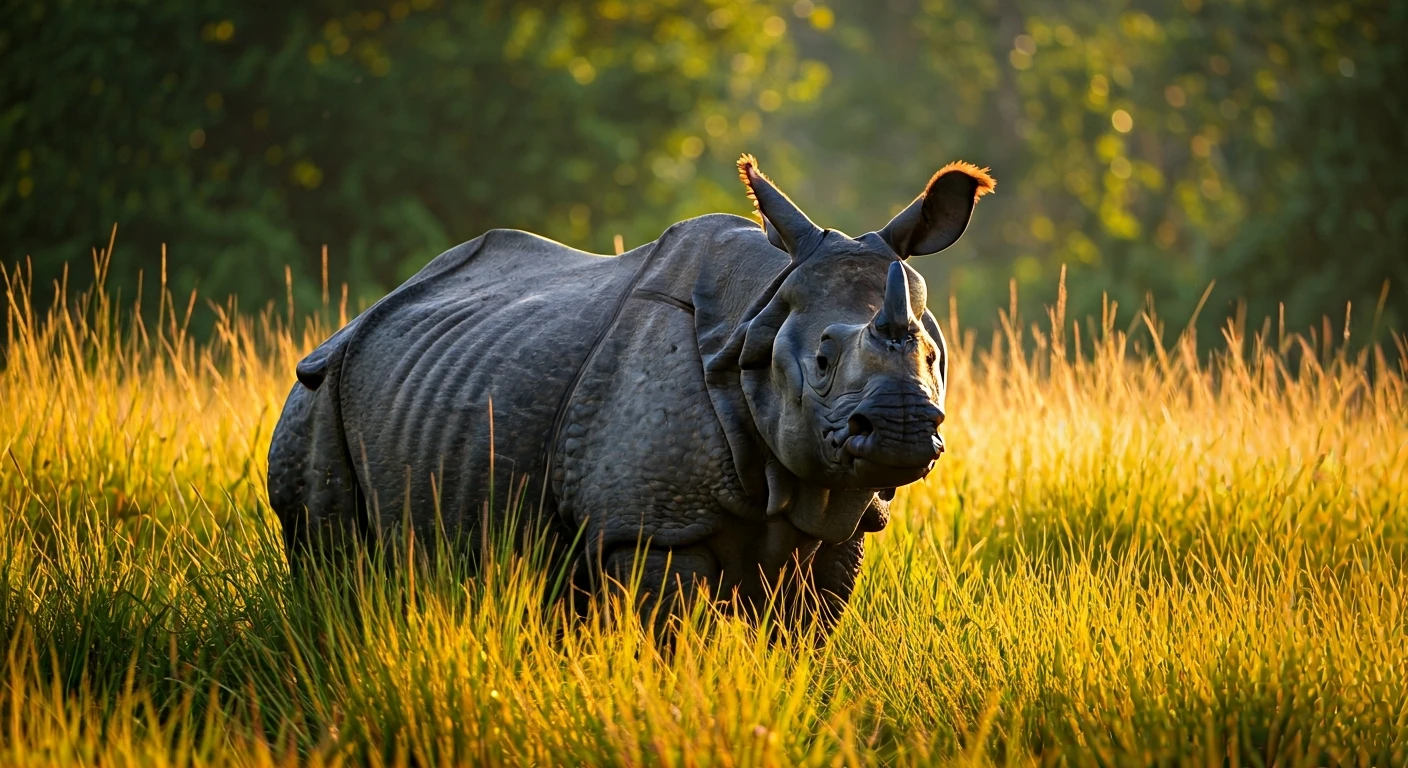
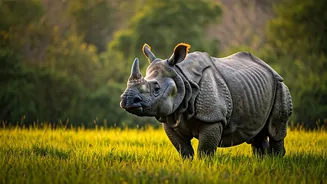
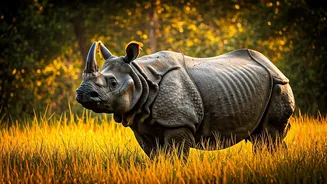
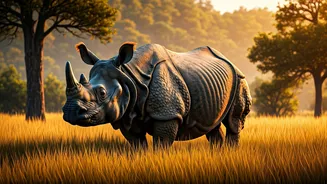
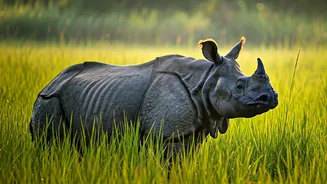
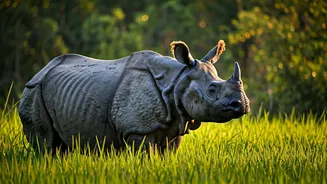
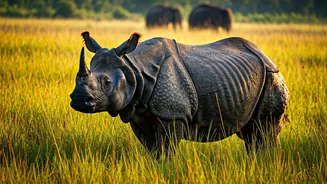
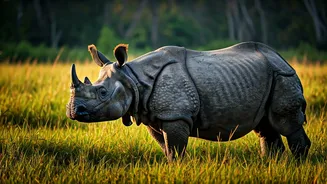
The undisputed star of Kaziranga is the Indian rhinoceros, a majestic herbivore whose population here is the largest globally. These magnificent creatures,
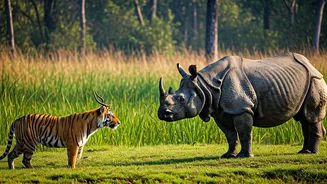
though once endangered, have found a thriving sanctuary in Assam's protected grasslands. Visitors frequently witness them peacefully grazing amidst the park’s lush vegetation or near serene water bodies. Their presence is a testament to successful conservation efforts, making Kaziranga a critical habitat for this iconic species. Observing these powerful animals in their natural environment is an unforgettable highlight of any visit to the park.
Gentle Giants Roam
Among the park's most captivating residents are the Asian elephants. These intelligent and social animals, often seen in family herds, traverse the park's expansive grasslands and scattered woodlands. Kaziranga is home to a significant wild elephant population, playing a crucial role in maintaining the ecosystem's balance. Their foraging habits shape the landscape, while their seed dispersal aids in forest regeneration. Spotting these immense mammals is a thrilling experience, showcasing their vital ecological function within the reserve.
Tiger's Elusive Majesty
Kaziranga National Park boasts one of India's highest densities of the Bengal tiger, a symbol of wild power and stealth. These formidable predators inhabit the park’s dense tall grasses and wooded areas, making them challenging to spot but incredibly rewarding to glimpse. While encounters are less frequent than with rhinos or elephants, the park's designation as a tiger reserve underscores its importance for the survival of this magnificent big cat. The thrill of a potential tiger sighting adds an element of exhilarating suspense to any safari.
Buffalo in Wetlands
The formidable wild water buffalo, one of the largest bovine species on the planet, is a prominent sight in Kaziranga’s marshy regions. The park is vital for safeguarding a considerable population of these critically endangered animals. Their presence highlights the park’s role in preserving not just iconic species but also those facing severe threats. Observing these robust animals wallowing in the water or grazing near the muddy banks offers a unique perspective on the park's diverse aquatic ecosystems.
Swamp Deer Grace
Kaziranga's wetlands and open grasslands provide an ideal habitat for the elegant eastern swamp deer, also known as Barasingha. These deer are recognized by their impressive, multi-tined antlers. They are frequently observed in herds, delicately grazing in open clearings, their movements adding a sense of tranquility to the landscape. The park’s conservation efforts have been instrumental in ensuring the healthy population of this distinctive subspecies, making it a regular and welcome sight for visitors.
Leopard's Stealthy Presence
More secretive than many of Kaziranga’s other inhabitants, the Indian leopard is an adept hunter present within the park's forested zones. These agile predators are primarily active during the cooler hours of early morning and late evening, which contributes to their relatively rare sightings. However, the possibility of spotting a leopard adds an exciting dimension to game drives. Their ability to blend seamlessly with their surroundings is remarkable, showcasing the subtle beauty and hidden life within the reserve.
Hog Deer Grazing
Among the most commonly encountered herbivores in Kaziranga is the charming hog deer. Smaller in stature than the swamp deer, these animals are perfectly adapted to the tall grass environments that dominate much of the park. They are often seen foraging peacefully near water sources, their relatively small size and quick movements making them a delightful sight. Their abundance contributes significantly to the park’s vibrant herbivore population, providing sustenance for its predators.
Sloth Bear Foraging
While less frequently spotted, the sloth bear is another intriguing species that resides within Kaziranga National Park. These unique bears are typically found in the more densely wooded areas and are characterized by their diet, which primarily consists of termites, ants, and various fruits. Their distinctive shaggy coats and long snouts are adaptations for their insectivorous habits. Catching a glimpse of a sloth bear is a rare treat, highlighting the park's diverse and often hidden wildlife.