








Celiac Disease Explained
Celiac disease is a fascinating autoimmune disorder where an individual's genetic makeup plays a crucial role. The primary trigger for this condition is the
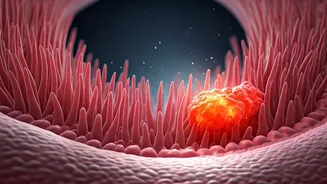
ingestion of gluten, a protein commonly found in wheat, rye, and barley. When someone with celiac disease consumes gluten, their immune system mistakenly identifies it as a threat and launches an attack not on the gluten itself, but on the small intestine. This immune response specifically targets and damages the villi, which are tiny, finger-like projections lining the small intestine. These villi are essential for absorbing vital nutrients from the food we eat. Consequently, the damage to the villi impairs the body's ability to absorb these nutrients effectively, leading to various health issues. While it might sound alarming, celiac disease is relatively uncommon, affecting approximately 1 in every 100 people globally. Despite its impact, a significant challenge exists in diagnosis, with only about 30% of affected individuals receiving a proper diagnosis, highlighting a need for greater awareness and accessibility to diagnostic tools.
The Genetic Predisposition
The development of celiac disease is significantly influenced by an individual's hereditary factors. Having close family members, specifically first-degree relatives like parents or siblings, who have been diagnosed with celiac disease substantially increases one's risk. Research indicates that if a first-degree relative has the condition, the risk of developing celiac disease escalates to approximately 1 in 10. This genetic predisposition underscores the importance of family history in identifying individuals who may be more susceptible. While genetics lay the groundwork, the environmental trigger, namely gluten exposure, is necessary for the disease to manifest. Understanding this genetic link is vital for early screening and potential intervention strategies, particularly for individuals with a known family history of the disorder, allowing for proactive health management and informed lifestyle choices.
Distinguishing from Intolerance
It is crucial to differentiate celiac disease from gluten intolerance, as they are distinct conditions with different physiological impacts. While individuals experiencing gluten intolerance might exhibit symptoms that appear similar to those of celiac disease, such as digestive discomfort, bloating, or fatigue after consuming gluten, the underlying mechanisms are fundamentally different. In gluten intolerance, the small intestine remains unharmed by the immune system's reaction. There is no damage to the villi, and nutrient absorption is typically not compromised. This absence of intestinal damage is the key differentiator. Celiac disease, on the other hand, is an autoimmune condition that leads to measurable damage to the small intestine's absorptive surfaces. Therefore, while both conditions involve adverse reactions to gluten, celiac disease is characterized by specific intestinal pathology, whereas gluten intolerance primarily involves a sensitivity without such structural damage.