




The Oil-Acne Connection
Many individuals experience frustrating, small bumps along their forehead, particularly after applying hair oil, and often mistakenly attribute these blemishes
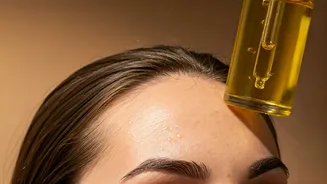
to their skincare regimen. However, the true culprit may reside in the hair products themselves, especially those with an oil base. These specific breakouts, often referred to as 'pomade acne' or 'acne cosmetica,' are essentially reactions triggered by hair care formulations. The fundamental mechanism of acne involves the blockage of pores by a combination of dead skin cells, bacteria, and natural skin oils (sebum). Hair oil exacerbates this process by migrating from the scalp down to the skin. As it mixes with perspiration and the skin's own oils, it can lead to clogged pores, creating an environment conducive to bacterial growth and subsequent inflammation. Even traditional or rich hair oils can form a dense film on the skin's surface, which not only encourages acne formation but also traps other impurities, further contributing to breakouts.
Identifying Pomade Acne
Distinguishing 'pomade acne' from other types of breakouts is key to addressing the issue effectively. The tell-tale signs often involve specific patterns and textures of blemishes. Look for breakouts that are primarily concentrated along the hairline and across the forehead. These bumps are typically small, uniform, and resemble comedones, which are non-inflammatory acne lesions. A crucial indicator is whether your acne flares up or worsens specifically after oiling your forehead, while other areas of your face, such as your cheeks and chin, remain relatively clear. This localized reaction strongly suggests that your hair oil is the primary instigator of these skin concerns. The forehead's unique characteristics also play a significant role in its susceptibility to this type of acne.
Forehead's Prone Zone
Your forehead is inherently more susceptible to acne due to its position as part of the T-zone, an area known for its heightened oil production. This region of your face boasts a higher concentration of sebaceous glands, the tiny structures responsible for producing sebum, the skin's natural oil. Furthermore, the forehead is in constant contact with your hair, making it a prime spot for accumulating oil residues that transfer from your strands. This combination of increased oil production and frequent contact with hair products means that pores in this area are more likely to become clogged at a faster rate. Consequently, this heightened activity often translates into more frequent and persistent breakout issues on the forehead, making it a challenging area to manage for many individuals concerned about acne.
Strategic Oiling Tips
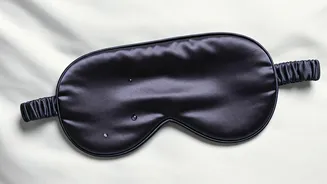
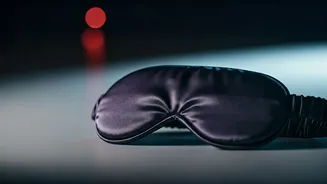
The good news is that you don't have to entirely abandon hair oiling, which is beneficial for maintaining hair health and preventing issues like frizz and dryness. The key lies in adopting a more strategic approach to application. To minimize the risk of breakouts, make a conscious effort to avoid applying hair oil too close to your hairline or allowing it to drip directly onto your forehead. When your hair is oiled, try to keep it away from your face, especially during sleep, as prolonged contact can transfer product to your skin. Furthermore, limit the amount of time you leave oil in your hair; extended periods increase the likelihood of pore blockage. When selecting hair oils, opt for lighter formulations that are less likely to clog pores while still providing effective nourishment and conditioning for your hair strands. This mindful application can make a significant difference in preventing unwanted blemishes.