






Holi's Sweet Temptations
The vibrant festival of Holi, a time for joy and shared festivities, invariably leads to a significant uptick in the consumption of various food items.
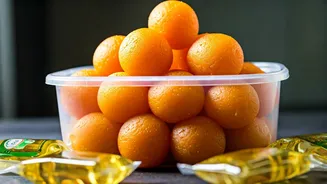
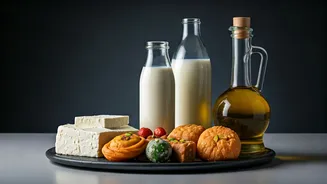
This surge specifically impacts milk-based delicacies like paneer and khoa, along with traditional sweets, savoury snacks such as namkeen, and cooking oils, including ghee. The heightened demand during this period, while celebrating cultural traditions, unfortunately, also presents a fertile ground for unscrupulous practices. Economic motivations can drive individuals to compromise on food quality, leading to the unfortunate circulation of adulterated products. This presents a challenge for consumers who are naturally looking forward to indulging in these festive delights without a second thought about their safety.
FSSAI's Proactive Stance
In anticipation of the increased demand and potential for food adulteration during the Holi celebrations, the Food Safety and Standards Authority of India (FSSAI) has issued a strong directive to state food commissioners. This proactive measure aims to safeguard public health by ensuring that food products available during the festival meet stringent safety standards. The FSSAI's communication emphasizes the critical need for enhanced vigilance and robust enforcement actions across all states. The regulator has specifically highlighted milk and milk products, various types of sweets, popular snacks like namkeen and papad/fryums, edible oils, ghee, and cereal-based products as key areas requiring meticulous attention.
Targeted Surveillance Drive
To effectively counter the threat of food adulteration during the festive season, the FSSAI has officially announced a special initiative: the 'Holi- Anti-Adulteration Drive - 2026'. This drive calls upon state food commissioners to instruct their local enforcement teams to conduct thorough inspections and collect samples from sensitive locations and identified hotspots. The focus will be on areas where the risk of encountering substandard or adulterated food items is higher, ensuring that resources are directed where they are most needed. This targeted approach allows for a more efficient and impactful response, aiming to curb the distribution of unsafe food products before they reach consumers' tables and mar the festive spirit.