





Psyllium's Blood Sugar Role
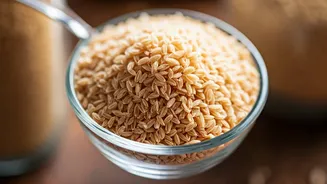
Psyllium husk, often referred to as 'isabgol,' is emerging as a valuable, low-cost natural supplement that can complement a healthy lifestyle for better
blood sugar management. While not a substitute for a balanced diet, regular exercise, or prescribed medical treatments, its inclusion can offer significant support. The key lies in its potent soluble fiber content. When consumed, this fiber absorbs water in the digestive system, transforming into a viscous, gel-like substance. This gel acts as a natural barrier, effectively slowing down the pace at which digested carbohydrates are absorbed into the bloodstream. Consequently, instead of experiencing a rapid and potentially detrimental surge in blood glucose levels shortly after a meal, individuals witness a more gradual and controlled rise. This mechanism is particularly beneficial for those managing conditions like type 2 diabetes or prediabetes, as it helps to smooth out post-meal glycemic fluctuations, contributing to overall metabolic health and making daily management more achievable.
The Importance of Timing
The effectiveness of psyllium husk in managing post-meal blood sugar is significantly influenced by when it is consumed. Experts recommend taking it approximately 10 to 15 minutes prior to eating. This specific timing allows the psyllium husk to adequately form its gel-like consistency in the digestive tract before food arrives. By lining the stomach and intestines, it creates an environment that processes incoming carbohydrates at a more measured rate. This proactive approach directly mitigates the abrupt increase in blood sugar that typically follows a meal, especially one rich in carbohydrates. This strategic pre-meal consumption ensures that the body's response to food intake is gentler, leading to a more stable blood glucose profile throughout the day and reducing the risk of hyperglycemia.
Who Stands to Benefit?
Several groups can particularly benefit from incorporating psyllium husk into their diet before meals. Individuals diagnosed with type 2 diabetes and those in the prediabetes stage often experience significant post-meal blood sugar spikes, making this a valuable tool for them. Additionally, people who frequently notice a sharp rise in their glucose levels after eating, regardless of a formal diagnosis, may find relief. Beyond direct blood sugar control, psyllium husk's high fiber content promotes a prolonged feeling of satiety, which can be instrumental for weight management efforts. By helping individuals feel fuller for longer, it may curb excessive snacking and reduce overall food intake, contributing to a caloric deficit. It's crucial to remember, however, that psyllium husk's impact can vary from person to person, and it should always be viewed as one component of a comprehensive health strategy that includes diet and exercise.
Safe Consumption Practices
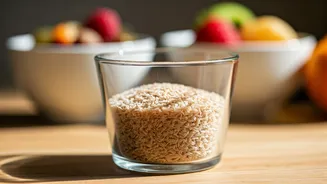
To safely and effectively consume psyllium husk, proper preparation is key. Typically, one to two teaspoons of psyllium husk are mixed into a full glass of water. It's important to drink this mixture immediately after stirring, before it has a chance to thicken considerably. Following this with another glass of plain water is a critical step to ensure adequate hydration and prevent any potential choking hazards or digestive discomfort. For those new to psyllium, it's advisable to start with a smaller quantity, such as one teaspoon, and gradually increase the dose over several days. This allows the digestive system to adapt to the increased fiber intake, minimizing the likelihood of experiencing adverse effects like bloating or gas. Consistent, mindful consumption is vital for reaping its benefits.
Essential Precautions
While psyllium husk offers numerous advantages, adhering to certain precautions is essential for safe usage. Adequate hydration is paramount; consuming psyllium without sufficient water can paradoxically lead to constipation instead of alleviating it. Furthermore, psyllium husk can interfere with the absorption of certain medications. To avoid this, it is recommended to maintain a gap of at least one to two hours between taking any medications and consuming psyllium. Individuals who have pre-existing digestive conditions or are on multiple prescription medications should consult with their healthcare provider before making psyllium husk a regular part of their regimen. This proactive approach ensures that psyllium husk complements their treatment plan safely and effectively, maximizing its benefits while minimizing potential risks.