





The Viral Trail
The allure of 'offbeat' Himalayan destinations, once havens for backpackers seeking tranquility, has been dramatically amplified by social media. Platforms
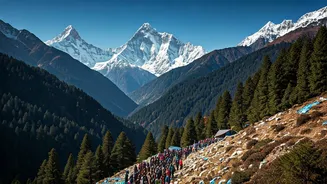
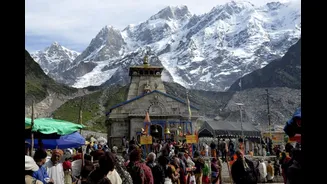
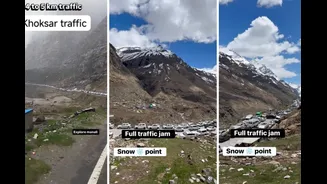
like Instagram and YouTube, coupled with the widespread appeal of short-form video content, have transformed hidden gems into crowded hotspots almost overnight. A single viral reel showcasing a secluded café or a picturesque waterfall can draw thousands of eager tourists within weeks. This shift is evident in the dramatic increase in visitor numbers; for instance, Uttarakhand welcomed a record 60.3 million tourists in 2025, while Himachal Pradesh saw 72 lakh visitors in just the first five months of the same year. Initially, places like Tirthan Valley, Kasol, and Chopta attracted a niche group of travellers, but now, even these serene locales are experiencing a deluge, leading to a stark contrast with their past reputation for peace and minimal commercialization. This phenomenon highlights how digital visibility has fundamentally altered the landscape of Indian tourism, turning previously quiet spots into bustling hubs.
Connectivity Surge
Significant investments in infrastructure have dramatically improved accessibility to India's mountainous regions, directly fueling the rise in tourism. Projects like the Rs 12,000 crore Char Dham Highway Development Project in Uttarakhand, aimed at enhancing all-weather connectivity to key pilgrimage sites, involve widening extensive stretches of mountain roads and constructing tunnels and bridges. Similarly, the Delhi-Dehradun Expressway promises to slash travel time to a mere 2.5 hours, making weekend getaways more feasible. In Himachal Pradesh, the Kiratpur-Manali Highway expansion has greatly eased access to Kullu, Manali, and surrounding valleys. This enhanced connectivity, combined with increased car ownership, has made road trips to the hills more convenient than ever, contributing to both economic growth and employment opportunities in these tourism-dependent areas. While beneficial for accessibility, these developments also lay the groundwork for increased visitor influx.
Fragile Ecosystems Under Pressure
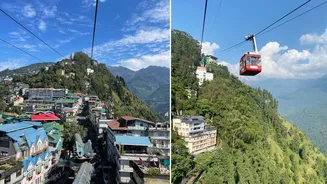
Himalayan towns, largely unprepared for massive influxes of visitors, are facing severe strain on their limited resources. Many villages rely on scarce water sources, fragile road systems, and basic waste management facilities. The environmental impact is palpable: over 12,000 natural springs in Uttarakhand have reportedly dried up due to factors like changing rainfall patterns and deforestation, affecting the 90% of the rural population dependent on them. Road infrastructure in Himachal Pradesh suffers annual damage exceeding Rs 3,000 crore due to inadequate drainage. Waste management is a critical issue, with plastic constituting over 84% of waste in some areas, often ending up in rivers or burned openly. Furthermore, the surge in construction for homestays, hotels, and cafés, often without proper environmental oversight, is placing immense pressure on the ecologically sensitive Himalayan terrain, increasing risks of landslides and soil erosion. This rapid development, driven by tourism demand, threatens the very natural beauty that attracts visitors.
Digital Nomads & Content Creation
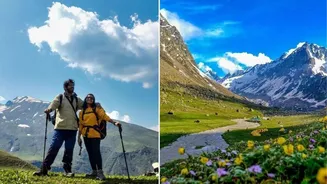
The post-pandemic era has seen a significant surge in travel, amplified by social media's pervasive influence. Many urban dwellers now seek short escapes, remote work opportunities, and weekend getaways, trends heavily promoted and shaped by travel influencers. These digital creators don't just showcase destinations; they actively dictate tourism cycles. A 'hidden gem' can quickly become oversaturated once geotagged reels and detailed itineraries flood social feeds, ironically eradicating the 'offbeat' appeal. For a growing segment of younger tourists, travel is intertwined with digital culture, transforming scenic spots into backdrops for drone shots, aesthetic café experiences, and 'Instagrammable' moments. This digital-first approach to travel means that the pursuit of unique content often overshadows a genuine appreciation for the local environment and culture, contributing to the fast-paced, commercialized atmosphere now prevalent in many formerly tranquil mountain villages.
Economic Boons and Pains
Tourism has undeniably brought economic benefits to Himalayan towns, creating numerous income streams through homestays, cafés, adventure sports, and hospitality services. Many villages that historically depended on agriculture now see significant earnings from tourism-driven businesses. For instance, Uttarakhand offers subsidies for registered homestays, promoting rural tourism and providing a steady income for residents. Himachal Pradesh's tourism sector contributes substantially to its GDP, buoyed by such initiatives. The demand for local guides, taxi services, and support staff has also risen with increased trekking, rafting, and skiing activities. However, this economic growth comes with considerable drawbacks. Land prices and rents have skyrocketed, making housing unaffordable for some locals. While tourism provides essential income in remote areas with limited employment, the rapid commercialization raises concerns about the erosion of local cultural identity and the loss of the peaceful ambiance that initially drew visitors. The uneven income distribution, with crowds concentrating during peak seasons and leaving areas deserted off-season, also poses a challenge.
Navigating Sustainability
The critical question facing Himalayan states is not whether to stop tourism, but how to manage it sustainably. Experts emphasize the need to understand and adhere to a destination's 'carrying capacity' – the maximum number of visitors an area can handle without environmental or infrastructural damage. Discussions are ongoing regarding stricter waste management systems, parking regulations, and eco-tourism policies, alongside better oversight of construction in ecologically sensitive zones. However, implementing these measures effectively, especially during peak tourist seasons when visitor numbers surge, remains a significant hurdle. The long-term challenge lies in balancing tourism growth with the preservation of the very landscapes and cultural heritage that make these destinations so appealing, ensuring that the fragile Himalayan ecosystem can thrive alongside its growing visitor economy.