





Traditional Oils Reimagined
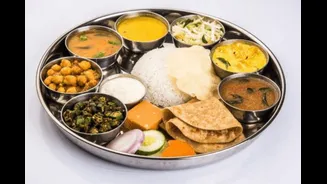
Oil forms the very soul of Indian cuisine, indispensable for everything from simmering aromatic curries and flavourful 'tadkas' to deep-frying crisp snacks.
While essential, the health implications of cooking oils, especially for those managing chronic conditions like heart disease or during the aging process, have led to recommendations for moderation. However, a significant transformation is currently unfolding within Indian households. There's a discernible move away from convenience-driven choices towards more conscious and informed decisions regarding food. As consumer understanding of food origins and processing methods deepens, there's a growing spotlight on products with transparent ingredient lists, with cold-pressed edible oils emerging as a key focus. These oils, once relegated to the background, are now undergoing a more scrutinizing examination for their inherent goodness and suitability for modern dietary needs, marking a return to purer forms of culinary staples.
What Are Cold-Pressed Oils?
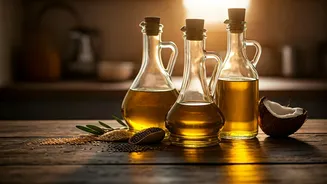
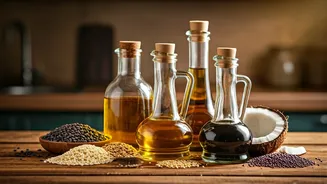
Cold-pressed oils are distinguished by their extraction method, which relies on mechanical pressure rather than heat to release the oil from seeds or fruits. This process is conducted at relatively low temperatures, ensuring that the oil retains its most authentic form. Consequently, these oils preserve their natural aroma, inherent flavour profiles, and vital bioactive components, such as sterols, phenolics, and carotenoids. In the context of Indian kitchens, these oils are far from a novel concept; varieties like groundnut, sesame, mustard, and coconut oil have been esteemed for generations. They were cherished not only for their unique sensory contributions but also for their integral role in regional and seasonal culinary traditions. The deep-rooted familiarity of these oils, stemming from age-old food practices, is now synergizing with contemporary nutritional insights, reinforcing their relevance and appeal in today's health-conscious environment, offering a taste of heritage with a modern nutritional twist.
Why Gaining Popularity?
A growing number of individuals now consider the method of oil production to be as crucial as its culinary performance. Simultaneously, heightened awareness regarding essential fatty acids, including linoleic acid (LA) and alpha-linolenic acid (ALA) – nutrients the human body cannot produce on its own – is motivating consumers to adopt a more comprehensive approach to their diet. This enhanced understanding has fostered more in-depth discussions about incorporating oil rotation or using a combination of different oils to ensure a wider spectrum of nutritional benefits throughout the day. The emphasis is shifting from mere functionality to a holistic view of how food contributes to overall well-being, making the origin and processing of cooking oils a significant factor in consumer choice and kitchen habits.
The Power of Blends
Expanding on the principle of dietary diversity, multi-source cold-pressed oils, such as expertly crafted blends of groundnut with sesame or safflower oil, are capturing considerable attention. These meticulously formulated combinations merge the distinct natural characteristics of various seeds. The result is a harmonious balance of flavour profiles and beneficial fatty acids, all while maintaining remarkable versatility for everyday cooking applications. When these blends are prepared with meticulous care, they successfully retain the intrinsic qualities of each constituent oil, making them suitable for a wide array of cooking methods and dishes. For consumers, these thoughtfully curated blends present a practical and uncomplicated avenue for introducing greater variety into their daily meals, aligning with the modern desire for both health and convenience.