






Understanding Knee Osteoarthritis
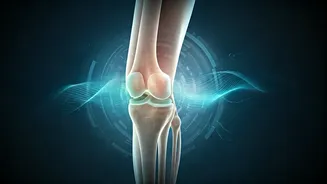
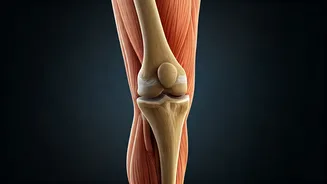
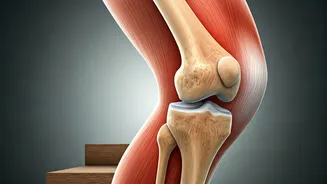
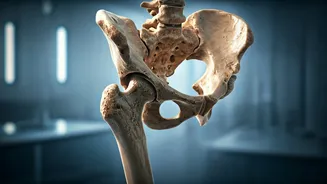
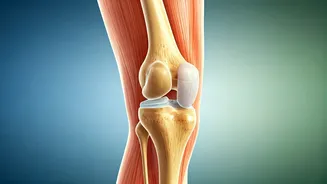
Knee osteoarthritis, a condition affecting roughly 30 percent of adults over 45, stems from the progressive deterioration of cartilage within the knee
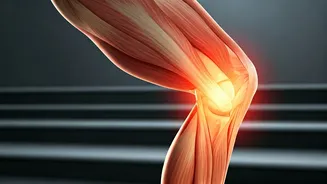
joint. This breakdown leads to a cascade of uncomfortable symptoms, including persistent pain, inflammation, and a noticeable stiffness that can severely limit daily activities. As individuals age, the natural wear and tear on joints increases, making the knee particularly susceptible to this degenerative process. While many individuals experience symptoms, the most effective exercise strategies for managing this condition have not always been clearly defined, leading to uncertainty for both patients and healthcare providers regarding optimal treatment approaches.
Aerobic Exercise's Superior Impact
A groundbreaking meta-analysis, scrutinizing 217 randomized trials involving over 15,000 participants from 1990 to 2024, has identified aerobic exercise as the standout intervention for knee osteoarthritis. This extensive research compared various exercise modalities, including resistance, flexibility, mind-body, and neuromotor training. The findings consistently demonstrated that aerobic activities, such as brisk walking, cycling, and swimming, yield the most significant improvements. Specifically, aerobic exercise showed moderate-certainty evidence for pain reduction across short and mid-term periods, and notably enhanced physical functioning throughout all assessed timeframes. Furthermore, it positively influenced gait quality and overall life quality in the initial stages of treatment.
Complementary Exercise Benefits
While aerobic exercise emerges as the primary recommendation, the study did not discount the value of other exercise types. Mind-body exercises were found to be effective in boosting short-term functional capacity, helping individuals adapt and manage their condition. Neuromotor training also showed promise by improving walking patterns, addressing gait abnormalities that often accompany osteoarthritis. Additionally, resistance or strengthening exercises played a crucial role in enhancing physical function, building the necessary muscle support around the knee joint. The research suggests these other forms of exercise are best utilized as supplementary approaches alongside a core aerobic regimen rather than as standalone replacements.
Safety and Guidance
Crucially, the review found that engaging in exercise, irrespective of its type, did not elevate the risk of adverse events when compared to control groups. This underscores the inherent safety of physical activity as a treatment for knee osteoarthritis, providing reassurance to patients. Despite some limitations, such as variations in study quality and a lack of extensive long-term follow-up in certain areas, the findings offer robust guidance. Researchers strongly advocate for aerobic exercise as the initial treatment choice for knee osteoarthritis, especially when the goals are to enhance mobility and alleviate pain. For individuals unable to participate in aerobic activities, alternative structured physical activities are still recognized as beneficial.