






Greener Maritime Future
The global shipping sector is actively pursuing cleaner alternatives to traditional fossil fuels, aiming to significantly reduce its environmental footprint.
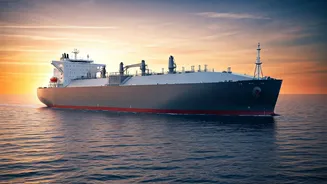
A key development in this pursuit is the plan to construct new bulk carriers capable of running on dual fuels, specifically utilizing ammonia as one of the primary energy sources. This strategic move is driven by an increasing global awareness and regulatory pressure to decarbonize maritime operations. By adopting ammonia, which can be produced from renewable sources, the industry takes a substantial stride towards achieving its emission reduction targets and fostering a more sustainable future for international trade and logistics. The integration of this advanced technology underscores a commitment to innovation and environmental stewardship within the shipping world.
Ammonia as Fuel
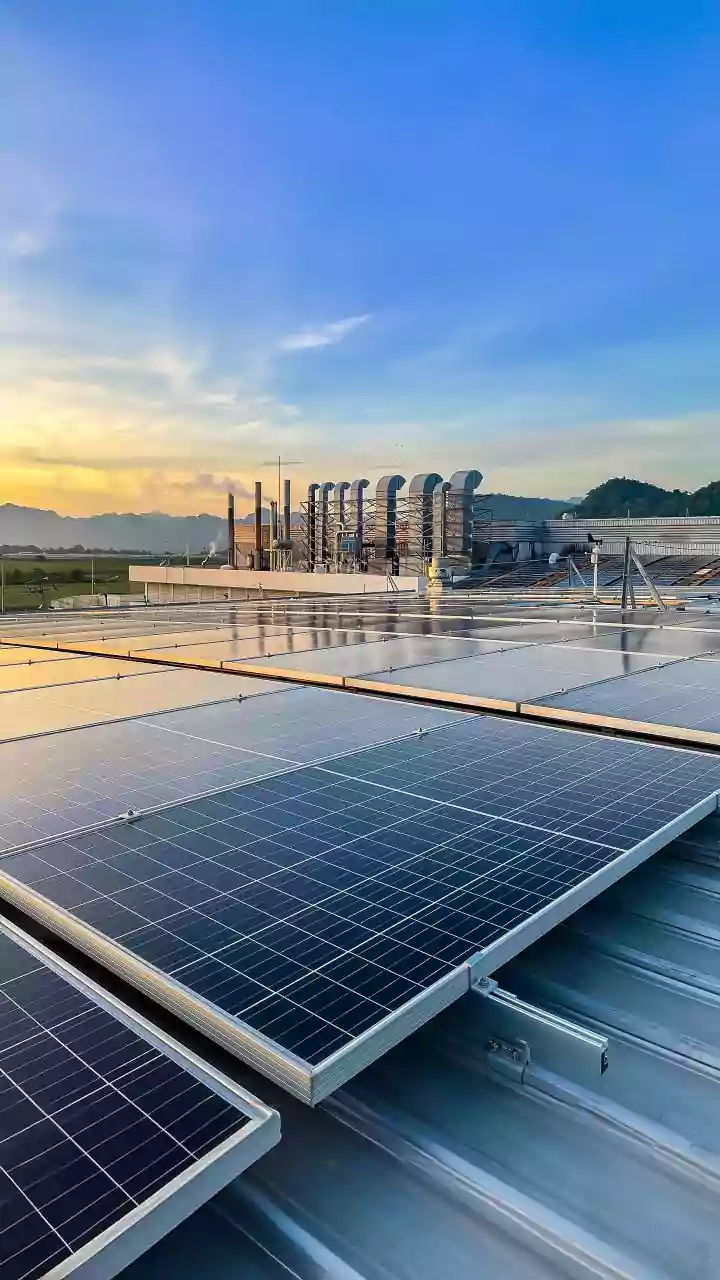
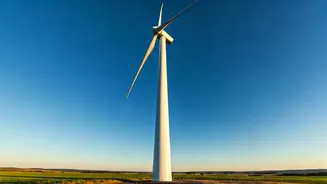
Ammonia is emerging as a promising alternative fuel for the shipping industry due to its potential to lower greenhouse gas emissions. When burned, ammonia produces primarily nitrogen and water, with significantly reduced carbon dioxide output compared to conventional fuels. This characteristic makes it an attractive option for vessels that undertake long voyages and require a reliable and powerful energy source. Furthermore, ammonia can be synthesized using renewable energy, such as wind or solar power, which further enhances its green credentials. The development of dual-fuel engines that can efficiently utilize both ammonia and conventional fuels provides a practical transition pathway, allowing ships to leverage existing infrastructure while adapting to new fuel technologies. This flexibility is crucial for the widespread adoption of ammonia in the maritime sector.
Bulk Carrier Evolution
The design and construction of bulk carriers are evolving to accommodate the demands of operating with ammonia as a fuel. These new vessels are being engineered with specialized dual-fuel engines capable of seamlessly switching between ammonia and traditional marine fuels. This technological advancement ensures operational flexibility and reliability, especially during the transition period where ammonia bunkering infrastructure might not be universally available. The incorporation of ammonia-ready systems signifies a forward-thinking approach to ship design, anticipating future fuel regulations and market demands. This evolution in bulk carrier technology is vital for maintaining the efficiency and economic viability of global dry bulk commodity transportation while aligning with the industry's sustainability goals.