




Essential Protection vs. Skin Concerns
In regions like India, where mosquito-borne diseases such as dengue and malaria are increasingly prevalent, mosquito repellent creams have become a daily
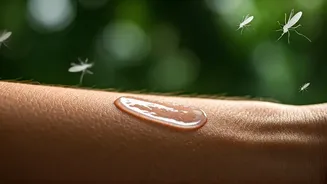
necessity for many. This widespread adoption, however, has also sparked a crucial debate about their impact on skin health. Are these protective formulations inadvertently causing damage? Dermatologists clarify that the answer isn't a straightforward 'yes' or 'no,' suggesting a more complex relationship between these products and our well-being. The discussion hinges on balancing the significant public health advantages against potential localized skin reactions, especially as the warmer months often see a surge in both insect activity and disease transmission rates.
Expert Safety Endorsements
From a medical and public health perspective, the advantages offered by mosquito repellent creams demonstrably surpass any potential drawbacks. Leading dermatologists, such as Dr. Priyanka Kuri, emphasize that widely utilized active compounds like DEET, picaridin, and IR3535 have undergone extensive scientific scrutiny and are deemed safe for application when instructions are followed. Current scientific consensus and regulatory evaluations, spanning projections to 2025-2026, consistently affirm their favorable safety profiles. While these experts confirm the general safety, they also prudently note that 'safe' does not equate to being entirely devoid of any possible side effects, particularly for certain individuals or under specific application conditions.
Understanding Potential Irritations
While generally safe, mosquito repellent creams are not entirely without their potential for adverse skin reactions. Certain individuals, particularly those with pre-existing sensitive skin conditions, might experience mild symptoms such as redness, itching, or localized rashes. These reactions are often exacerbated by frequent or overly generous application rather than being an inherent flaw in the repellent's formulation itself. It's important to recognize that the risk of such localized skin irritation is significantly lower than the health risks associated with contracting mosquito-borne illnesses, highlighting a critical trade-off that often gets overlooked in the conversation about repellent safety.
The 'Natural' vs. Chemical Debate
The increasing consumer preference for 'natural' or herbal mosquito repellents, while understandable, does not automatically guarantee a safer or more effective alternative. Experts point out that while these formulations may appear gentler, they often lack the prolonged duration of protection and consistent efficacy seen in chemically-based repellents. Furthermore, even natural ingredients can, in some instances, trigger allergic or irritant reactions on the skin, similar to synthetic compounds. The perception of natural remedies as universally benign can sometimes lead to a false sense of security, and their reduced effectiveness may indirectly increase exposure to mosquito bites and the diseases they carry.
Correct Application is Key
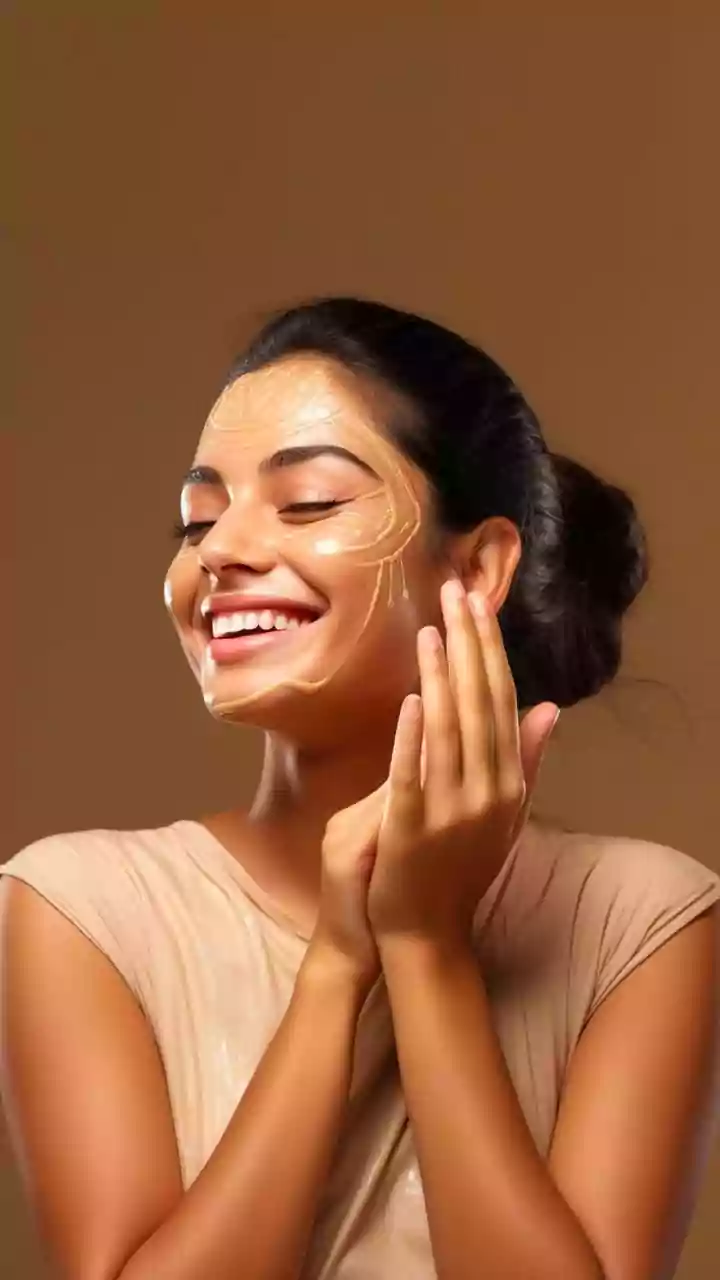
Dermatologists Dr. Sai Lahari Rachumallu and Dr. Priyanka Kuri strongly agree that the primary driver of negative reactions from repellent creams is often misuse rather than the product's intrinsic nature. Decades of data support the safety of ingredients like DEET and picaridin for the vast majority of users. However, individuals with conditions like eczema or heightened skin sensitivity might notice minor issues such as burning or itching. Improper application habits, including excessive use, applying over damaged skin, or layering multiple skincare products with repellents, can increase the likelihood of irritation. Special care is needed for the face, where repellents should be applied to hands first and then gently spread, carefully avoiding the eyes and mouth.
Child Safety and Adults' Habits
When it comes to safeguarding children, dermatologists recommend opting for formulations specifically designed for younger age groups and using only the minimum effective quantity. For adults, developing a consistent habit of washing off repellents once indoors is a crucial step in minimizing prolonged skin exposure and reducing the risk of irritation. This simple practice helps to remove any residual product that could potentially cause discomfort or sensitization over time, ensuring that the protective benefits of the repellent are maximized while its potential for localized skin effects is minimized.
When to Seek Advice
A straightforward guideline for users is to discontinue the use of a mosquito repellent cream if persistent itching, a noticeable rash, or swelling occurs, and to promptly consult a medical professional. This advice underscores the importance of listening to one's body and recognizing when a product may not be suitable. By following such recommendations and being attentive to any adverse reactions, individuals can ensure that their efforts to prevent mosquito bites do not lead to unintended dermatological issues, maintaining a balance between health protection and skin comfort.
Repellents: Health's Ally
In conclusion, mosquito repellent creams are far from being the skin-damaging agents they are sometimes portrayed to be. When applied responsibly and in accordance with usage guidelines, they serve as an indispensable line of defense against serious and potentially life-threatening infectious diseases transmitted by mosquitoes. In scenarios where preventing illness can be the crucial factor determining health outcomes, the prudent choice leans heavily towards utilizing these repellents rather than foregoing their protective capabilities.