




Mango Varieties Explained
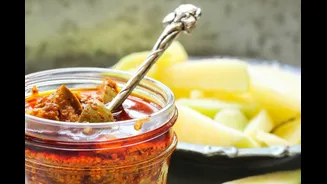
When it comes to crafting that quintessential tangy mango pickle, the choice of raw mango is paramount, forming the very foundation for a preserved delight
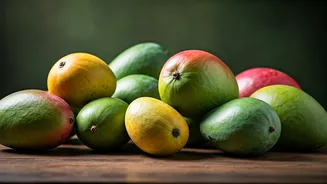
that stands the test of time. In the realm of pickling, two prominent contenders often surface: Ramkela and Rajapuri. For those who crave the classic, robust North Indian spicy pickle, the Ramkela variety emerges as the undisputed champion. These medium-sized, round mangoes possess a remarkable quality: their flesh retains its firmness even after prolonged exposure to salt and spices. This inherent sturdiness ensures that pickle pieces remain intact and don't turn mushy, contributing to a longer shelf life and a more satisfying texture. In North India, this specific type is often referred to by various regional names, including 'achari aam', 'gola aam', or 'desi achari' in Uttar Pradesh, underscoring its traditional significance. Transitioning to the western regions of India, particularly Gujarat and Maharashtra, the Rajapuri mango takes centre stage. These are considerably larger, sometimes exceeding half a kilogram in weight, and are characterized by a greater proportion of pulp relative to their seed size. If your preference leans towards chunkier pickle pieces that can lavishly absorb the spice blends, the Rajapuri is an excellent choice. However, it's worth noting that Rajapuri mangoes tend to be slightly less tangy compared to their Ramkela counterparts, a factor that might influence the overall flavour profile of the pickle.
Beyond Ramkela & Rajapuri
While Ramkela and Rajapuri are top choices for specific regional pickle styles, several other raw mango varieties lend themselves beautifully to pickling, each bringing its unique characteristics to the table. In the eastern Indian states of Bihar and West Bengal, the Ladwa mango is highly favoured. This round variety is celebrated for its intense tanginess, making it an ideal candidate for pickles that demand a bold and assertive flavour. Moving south, the Sundari, also commonly known as Totapuri due to its distinctive beak-like shape, is prevalent. While often associated with South India and used in preparations like murabba or mango shakes, its raw form can also be utilized for pickling, though it may possess a milder tang. Another intriguing option for pickling, particularly found in parts of Uttar Pradesh, is the Karela aam. This mango is remarkably small, possesses a dense, hard texture, and is exceptionally sour. Its potent sourness and firm nature make it well-suited for whole mango pickles, where its intense flavour can truly shine and remain a distinct element in the preserved jar. Each of these varieties offers a distinct pathway to creating unique and flavourful mango pickles, showcasing the diversity of this beloved fruit across India.
Selecting Your Ideal Mango
The journey to perfect mango pickle hinges significantly on the quality and characteristics of the raw mangoes you select. Beyond variety, several key physical attributes provide crucial indicators for making the right choice. Firstly, pay close attention to the mango's colour and overall sheen; opt for fruits that are a deep, uniform green. The presence of any yellowing patches or lighter spots on the skin signifies that the mango has begun to ripen. Such prematurely ripened fruits are less ideal for pickling as they can accelerate spoilage and compromise the pickle's longevity. Secondly, assess the firmness of the mango. Gently press the fruit; it should feel solid and hard, akin to a stone. If it yields even slightly to pressure, exhibiting a soft or spongy texture, it's best to avoid it. Soft mangoes are prone to breaking down during the pickling process, leading to a mushy consistency rather than the desired firm pieces. Lastly, a subtle yet important indicator is the presence of milky sap around the stem. If you notice a sticky, white sap oozing from the stem area, it suggests that the mango has been recently plucked and is fresh. This freshness is vital for ensuring a vibrant flavour and optimal preservation of your homemade pickle, contributing directly to its deliciousness and shelf life.