






Lighten Up Your Drapes
Combat intense summer sun by incorporating light and airy fabrics into your home. Opt for curtains in lighter hues like white and pastels, as these colors
are excellent at reflecting both light and heat, thereby contributing to a cooler interior throughout the season. Materials such as cotton and sheers are ideal choices. For added defense against the sun's rays, consider layering these with natural elements like jute screens or bamboo blinds. It's also beneficial to swap out heavy winter textiles, like fleece blankets and flannel sheets, for more breathable options like cotton or linen for your bedding, upholstery, and cushion covers. Steer clear of dark-colored synthetic drapes, which tend to absorb and retain heat.
Maximize Natural Airflow
Harness the power of natural ventilation by strategically opening your windows. To create an effective cross-breeze, open windows on opposite sides of your home simultaneously. While cross-ventilation is a well-known concept, understanding the optimal times for this practice is crucial for maximizing its effectiveness. The most beneficial periods to open your windows during summer are in the early morning, between 5:00 AM and 8:00 AM, and again in the evening, from 7:00 PM to 10:00 PM. During these windows, the outdoor air is typically at its coolest and most comfortable, allowing for efficient circulation of refreshing air through your living spaces.
Minimize Heat-Emitting Appliances
Be mindful of the heat generated by household appliances, especially during warmer months. Whenever possible, reduce your reliance on appliances that produce significant heat. For instance, opt for washing dishes by hand instead of using a dishwasher, and air-dry your clothes rather than using a tumble dryer. It's also advisable to limit the use of ovens, and to consolidate tasks like cooking, ironing, and laundry into the cooler parts of the day, ideally in the evening. Planning and pre-cooking some meals for the following day can help reduce daytime heat buildup. Remember to switch off televisions and computers completely, rather than leaving them on standby, as they continue to emit heat. Even charging electronic devices like phones and tablets generates warmth, so it's better to charge them during cooler morning hours rather than at night.
Declutter for Air Circulation
A cluttered environment can contribute to a stuffy atmosphere, hindering air circulation. To create a more airy feel in your rooms, remove any superfluous furniture, books, or magazines. Keep your windows open as much as possible and relocate synthetic items and heavy woolen rugs to storage areas. Consider investing in thinner carpets made from natural materials like hemp or jute, which are not only comfortable underfoot but also visually appealing and suitable for summer use. Small decorative changes can also enhance the feeling of coolness; for example, placing a bowl filled with cold water, adorned with flowers, pebbles, or seashells, can add a refreshing aesthetic touch.
Switch to Energy-Efficient Lighting
Incandescent light bulbs can be a significant, often overlooked, source of heat within your home. Ensure lights are turned off when not in use, as they not only consume energy but also contribute to raising the indoor temperature. The type of lightbulb you choose can dramatically affect the amount of heat produced. Traditional incandescent bulbs lose approximately 90% of their energy as heat. To mitigate this, transition to more energy-efficient alternatives such as LED and CFL bulbs, which generate considerably less heat and consume less electricity.
Harness the Power of Fans
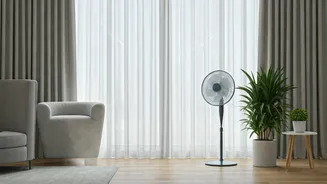
While not as powerful as air conditioners, fans can significantly improve comfort by circulating air. A clever DIY 'air conditioner' can be created by placing a bowl or pan filled with ice in front of a table fan. Direct the fan towards the area you want to cool, and enjoy the refreshing, chilled air. This is an economical and effective way to provide temporary cooling. Since fans primarily move air, strategically positioning them near windows or in corridors can help create a cross-breeze, drawing cooler outside air into warmer sections of your home.
Integrate Natural Greenery
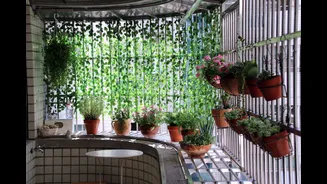
Plants and trees offer a beautiful and effective natural method of sunblock, enhancing your home's surroundings and significantly cooling your living space. While the full benefits may take a few seasons to materialize, the effort is well worthwhile. Strategically planted shrubs, bushes, and vines can act as living air conditioners, helping to lower indoor temperatures. Indoor plants also serve as excellent natural air purifiers and add a calming aesthetic. Placing lush green plants on balconies or within rooms contributes to a more relaxed and pleasant atmosphere during the summer months.
Combat Humidity with Dehumidifiers
High indoor humidity, particularly levels exceeding 60%, can make ambient temperatures feel much more oppressive and uncomfortable for both people and pets. A dehumidifier can greatly improve indoor comfort by actively removing excess moisture from the air, even when temperatures remain elevated. To optimize energy efficiency and reduce costs, choose a dehumidifier that features an automatic shut-off function, designed to turn off once the desired humidity level is reached.
Embrace White Surfaces
Similar to how snow and ice reflect solar radiation, white surfaces on your roof and terrace can reflect heat away from your home, contributing to a cooler interior. Applying a layer of white lime wash to a flat terrace slab can help it retain coolness throughout the summer. For a more permanent and robust solution, consider painting the roof with specialized solar-reflective white paint. An alternative method for reducing roof temperature involves placing bundles of damp straw, a natural insulator, on top of plastic roof sheeting. Establishing a terrace garden is also an excellent way to keep a roof cool, as the soil used for planting acts as an effective insulating layer.
Install Heat-Blocking Window Films
Even with blinds drawn, rooms can still feel excessively warm due to heat penetrating through standard window glass. This issue can be effectively addressed by applying sun-control window films. These films are an affordable upgrade that significantly reduces the amount of direct sunlight and heat entering your home, helping to keep rooms cooler without sacrificing natural light. Additionally, these films help protect furniture from sun-induced fading. They are designed for easy DIY installation and can be removed cleanly, making them a suitable option for both renters and homeowners.