



Introduction to Winter Food
Winter in India brings with it a special kind of comfort, especially when it comes to food. The season invites us to indulge in dishes that are both nourishing
and flavorful, providing warmth against the cold. These meals often feature ingredients that are at their peak during the winter months, offering not just taste but also essential nutrients. From creamy desserts to savory stews, these dishes have been enjoyed for generations, each carrying its own story and cultural significance. This culinary heritage reflects the diversity of India, with different regions contributing their unique dishes. The following sections will introduce these dishes, including the traditional dishes and their distinctive flavors and regional influences.
Lehsun Ki Kheer
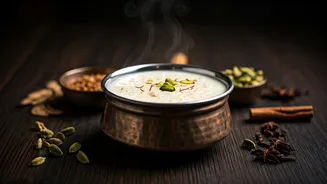
Lehsun Ki Kheer is a creamy delight from the heart of India, a winter dessert centered around the unexpected ingredient: garlic. While the concept might sound unusual, the garlic is cooked in milk with other ingredients to create a rich, slightly sweet, and aromatic pudding. This dish is prepared with the utmost care, ensuring the garlic's pungency is balanced with sweetness and spices. The dish is believed to provide warmth and boost immunity during the colder months, making it a favorite during winter. When serving, it's often garnished with nuts such as almonds and pistachios, adding texture and extra flavor. The dish is slowly cooked, which enhances the flavors of each ingredient, making it a comforting and satisfying dessert to enjoy during the chilly season. Many home cooks have their own unique twist on this winter classic.
Hokh Syun's Richness
Hokh Syun, a dish from the Himalayan region, stands out with its unique blend of flavors and textures. This hearty stew typically includes dried vegetables and is known for its earthy, warming flavors, making it a perfect meal for the cold weather. The dish is made by rehydrating the dried vegetables and cooking them with spices. It often features ingredients like radish, cabbage, and dried turnip, each adding its own unique flavor profile. The stew is often served with rice or bread to soak up the flavorful broth. Hokh Syun is a testament to the resourcefulness of mountain communities, who traditionally preserve vegetables to overcome winter. Its flavors and nutritious ingredients provide comfort during the colder months, adding a unique and warming experience.
Sarson ka Saag
Sarson ka Saag and Makki di Roti represent a popular combination in North India, especially in the winter. Sarson ka Saag consists of mustard greens, which are cooked until they are tender and flavored with spices. The greens are simmered to create a slightly bitter and flavorful dish. It’s a staple in Punjab, and it is traditionally paired with Makki di Roti, a flatbread made from cornmeal. This dish is often enriched with butter or ghee. The combination of the hearty saag and the simple roti makes for a comforting and satisfying meal. The dish represents a celebration of the winter harvest, as mustard greens are at their peak during the season. This dish is usually made in homes and is an integral part of the Punjabi culture.
Gajar ka Halwa
Gajar ka Halwa, or carrot halwa, is a classic winter dessert, especially in North India. This sweet treat is prepared by slow-cooking grated carrots in milk with ghee, sugar, and cardamom. This method allows the flavors to meld, creating a creamy and richly flavored dessert. The halwa is typically garnished with nuts like almonds, cashews, and pistachios, adding a contrasting texture and enhancing the overall taste. The slow cooking process caramelizes the carrots, enriching the flavor. Gajar ka Halwa is not only a dessert; it’s also a celebratory dish, often made during festivals. Its warmth and sweetness offer comfort during the colder months, becoming a beloved part of the winter experience. Families often enjoy making Gajar ka Halwa together, keeping the tradition alive.
Undhiyu’s Mix
Undhiyu is a mixed vegetable dish from Gujarat, often cooked in an earthen pot to add a unique smoky flavor. This winter specialty features a variety of vegetables, like brinjals, potatoes, beans, and more, all seasoned with a blend of spices. What makes Undhiyu special is the method of cooking, where the vegetables are slow-cooked underground, traditionally. The slow cooking process enhances the flavors of each vegetable. This cooking style allows the vegetables to absorb the flavors, creating a dish that is both complex and comforting. The dish is often served with hot puris and shrikhand. Undhiyu is not only a dish but a symbol of community, often prepared and shared during festivals and family gatherings in Gujarat, providing warmth and connection during the winter season.
Thukpa's Flavors
Thukpa, a noodle soup of Tibetan origin, is a warming winter staple in the Himalayan regions of India. This soup features thick noodles, vegetables, and often meat, all cooked in a savory broth. The ingredients used in Thukpa vary depending on the region and the availability, but the core essence remains the same – a hearty and flavorful soup designed to combat the cold. The broth is usually seasoned with aromatic spices, which give the soup its unique taste. This dish is packed with comforting warmth and essential nutrients, which is perfect during the winter season. Thukpa is a testament to the cultural exchange and culinary influence of the Himalayan region, offering a taste of tradition and resilience.
Paya's Heartiness
Paya is a rich and hearty stew, prepared with the trotters of a goat or lamb, and is a popular dish during winter. The trotters are slow-cooked with spices, which makes them tender and the broth flavorful. The long cooking process breaks down the collagen, adding to the thickness of the stew. This dish is highly nutritious, providing warmth and essential nutrients. Paya is a popular dish in many parts of India and has variations depending on the regional preferences. The flavorful broth is often served with bread or rice, soaking up the rich flavors. Paya represents traditional cooking techniques and is known for its ability to provide warmth and strength during the colder months. Its preparation and consumption is a social event, enjoyed during family gatherings.
Pinni’s Warmth
Pinni, a sweet treat from the North Indian region, is a winter favorite made with wheat flour, ghee, sugar, and nuts. This dish is not only a dessert but also a symbol of warmth and energy. The ingredients are carefully roasted and mixed. The roasting process helps release flavors and creates a unique aroma. These laddoos are often spiced with cardamom and enhanced with other warming spices. Pinni is packed with ingredients that are known to provide energy, making it a perfect snack during winter. These sweets are often served at celebrations. Pinni exemplifies the culinary practices of India, providing comfort and nourishment during the cold season.
Kashmiri Kahwa
Kashmiri Kahwa is a traditional green tea beverage, often consumed during the winter season. This tea is infused with spices like cardamom, cinnamon, and saffron, along with almonds and sometimes honey. The ingredients add a complex flavor profile that is both warming and invigorating. The preparation involves simmering the tea with the spices. The addition of saffron gives Kahwa a beautiful color and adds an additional layer of flavor. Kahwa is more than just a drink; it's a social ritual, often enjoyed with family and friends. Its warmth and aromatic qualities make it a comforting beverage during winter. Kahwa is an example of Kashmiri hospitality, sharing comfort and community during the cold season.