







The Visual Challenge
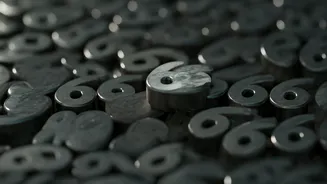
Imagine a meticulously arranged grid, filled wall-to-wall with the number '66'. This visual landscape, seemingly uniform and predictable, holds a subtle
secret. Nestled within this sea of identical digits is a single, solitary '69', deliberately placed to disrupt the pattern. This type of puzzle is ingeniously designed to captivate the attention of young minds, fostering not only a sharper eye for detail but also cultivating the crucial virtue of patience. It encourages a deeper look, urging individuals to move beyond the immediate, superficial impression and seek out the anomaly that lies just beneath the surface of the obvious.
Why Puzzles Engage
Children possess an innate fascination with patterns; the repetition of shapes and numbers offers a sense of comfort and predictability. However, when even a minor deviation occurs within this familiar structure, it ignites a spark of curiosity. A puzzle like this transcends mere amusement; it actively cultivates focus and patience. Most significantly, it imparts a fundamental lesson: that initial appearances can be deceiving, and a closer inspection is often warranted. Parents often observe a fascinating shift in children after a second attempt; their scanning becomes more rapid, and they begin actively comparing elements rather than just passively observing, marking a significant developmental leap in observational abilities.
The Hidden Anomaly
The human eye, accustomed to the rapid flow of information, tends to glide over the grid, registering the overwhelming presence of '66' and mistakenly believing the task is complete. This inherent tendency of the brain to rely on familiar patterns creates a moment of deception. Yet, precisely within this visual uniformity, the '69' lies concealed in plain sight. The satisfaction of finally locating it, after an initial struggle, is what elevates the experience from simple observation to a rewarding intellectual pursuit. The journey to finding the answer demands deliberate effort, transforming a quick glance into a focused investigation.
The Tricky Element
Our brains are wired for efficiency, often employing shortcuts. When confronted with repetitive data, the inclination is to cease detailed scrutiny, assuming uniformity. This puzzle masterfully exploits this cognitive tendency. The numbers '66' and '69' share identical digits, differing only in their orientation, which allows the mind to quickly process and anticipate the pattern. Consequently, the lesson is profound: meticulous observation holds immense value, and taking a moment to slow down can unveil details that haste inevitably obscures. This principle extends far beyond the confines of a number game, influencing how children approach reading, learning, and problem-solving in academic settings.
Building Essential Skills
A seemingly simple number game can blossom into a cherished bonding experience for families. The shared activity of scanning the grid together, exchanging guesses, and collectively celebrating the discovery of the solution fosters a powerful sense of accomplishment. Furthermore, it gently introduces the concept of resilience; failing to find the answer immediately is not a mark of defeat but an integral part of the learning journey. These small, manageable challenges, experienced over time, empower children to trust their cognitive processes, encouraging them to re-examine their surroundings, question established patterns, and maintain an enduring sense of curiosity.