





The Rise of Water Washing
The traditional reliance on toilet paper, a habit ingrained in many cultures, contributes significantly to global waste, deforestation, and water consumption
during manufacturing. Billions of rolls are consumed annually, creating a substantial environmental burden. However, a paradigm shift is quietly occurring as more individuals and households worldwide are reconsidering their bathroom routines. This movement away from paper-based cleansing towards washing with water is spearheaded by a remarkable innovation. This technology, a staple in Japanese homes for over forty years, is now rapidly gaining recognition and adoption across North America and Europe, challenging the long-standing dominance of toilet paper and offering a cleaner, more sustainable path forward for personal hygiene.
How Washlets Work
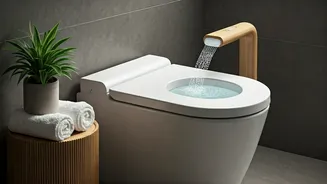
At its core, this advanced toilet fixture employs a sophisticated nozzle system that delivers a targeted stream of warm water for cleansing both anal and genital areas. These nozzles are engineered with precision, offering directional settings to ensure effective cleaning without unintended splashing back into the toilet bowl. For enhanced hygiene, the nozzles are designed to self-clean with warm water before and after each use. Furthermore, most models incorporate a user-detection sensor, preventing the water spray if no one is seated. The innovation extends beyond basic cleansing; many sophisticated models boast features like heated seats for added comfort, integrated warm-air dryers to eliminate the need for paper, effective deodorizers, and convenient touchless controls operated via remote or motion sensors. These elements collectively define the technology as a transformative blend of hygiene, thoughtful design, and personal wellness.
The Bidet's Global Adoption
Originating in Japan, this electronic bidet toilet seat technology offers a superior cleansing experience using a gentle water stream instead of solely relying on paper. The foundational technology first emerged in 1980 with the introduction of the initial model, following extensive research and development. To date, over 70 million units have been sold globally, and it's now a common fixture in more than 80 percent of Japanese households. The appeal of these bidet seats has seen a surge in adoption in North America and parts of Europe, particularly amplified by the vulnerabilities in toilet paper supply chains exposed during the COVID-19 pandemic. This event prompted many consumers to seek more reliable and hygienic alternatives. Consequently, numerous families now view these bidet seats not merely as a novelty but as a practical and valuable enhancement to their bathrooms, merging advanced hygiene standards with enhanced comfort and a commitment to environmental responsibility.
Affordability and Environmental Impact
Once considered a high-end luxury, bidet-style toilet seats have become increasingly accessible, with entry-level attachments fitting standard toilets starting around $40. Even more advanced models featuring temperature control and remote operation can be found for under $600. Installation is typically straightforward and can be completed in under 15 minutes, often without requiring specialized plumbing. The environmental advantages are substantial: a typical cleaning cycle uses approximately 500 milliliters of water, a minuscule amount compared to the water needed to produce a single roll of toilet paper. A 2021 study indicated that switching to a bidet could reduce bathroom hygiene's carbon footprint by up to 75 percent. This reduction also alleviates strain on wastewater treatment systems and minimizes the risk of pipe blockages caused by paper buildup in older infrastructure.