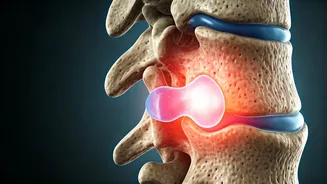




Understanding Radiofrequency Ablation
Radiofrequency Ablation, or RFA, emerges as a pivotal advancement in pain management, expertly bridging the gap between temporary symptom relief and enduring
solutions. Unlike conventional methods that often merely mask pain, RFA directly addresses the root cause by precisely deactivating the nerve pathways responsible for transmitting persistent pain signals to the brain. This minimally invasive technique employs heat, generated by a radiofrequency current, to achieve this targeted effect. Crucially, the procedure is conducted under the vigilant guidance of real-time imaging, such as fluoroscopy or ultrasound, ensuring that the intended nerve is accurately treated while all surrounding healthy tissues remain unharmed. A significant advantage of RFA lies in its capacity to provide sustained pain relief, typically lasting anywhere from nine months to two years, a considerable improvement over the few weeks offered by steroid injections or standard medications. Consequently, patients often experience substantial enhancements in comfort, mobility, and overall functional capacity, enabling them to resume daily activities that were previously hindered by chronic pain.
Who Benefits Most?
RFA has demonstrated remarkable efficacy for individuals grappling with chronic pain stemming from conditions like facet joint degeneration, spondylosis, and sacroiliac joint dysfunction, frequently seen in those with sedentary lifestyles and poor posture. Beyond these common ailments, its application extends to alleviating arthritic pain in major joints such as the knee, hip, and shoulder, potentially delaying or even negating the need for joint replacement surgery. Furthermore, RFA offers hope for complex neuropathic pain syndromes, including trigeminal and occipital neuralgia, and various cancer-related pain. For patients unresponsive to conventional treatments or heavily reliant on high doses of controlled substances, RFA’s precision offers targeted relief with a significantly reduced dependence on medication. This reduction in medication is especially beneficial given the array of adverse effects associated with long-term painkiller use, such as gastrointestinal and renal issues, dependency, and cognitive impairments. By interrupting the pain signaling pathway, RFA empowers many patients to dramatically decrease their daily medication intake, thereby improving their overall physical well-being and quality of life.
The Procedure and Its Advantages
The RFA procedure is designed for patient comfort and convenience, typically performed in an outpatient setting and utilizing local anesthesia, which results in minimal downtime. A vital preparatory step involves diagnostic nerve blocks, which are essential for accurately pinpointing the exact source of the patient's pain. This confirmation ensures that the subsequent RFA treatment is precisely targeted, maximizing the likelihood of successful outcomes. Most individuals can return to their regular daily routines within 24 to 72 hours post-procedure. It's important to understand that RFA is not a permanent fix, as the targeted nerves will gradually regenerate. However, this regeneration also means that the procedure can be repeated if pain reoccurs, positioning RFA as a sustainable, long-term strategy for managing chronic pain rather than a fleeting solution.
Transforming Pain Management
Chronic pain often inflicts not only physical suffering but also profound emotional distress, leading to a loss of independence, social withdrawal, and feelings of being unheard. Precision pain interventions like RFA are instrumental in reshaping this narrative by offering patients tangible, meaningful, and enduring relief. As medical science increasingly embraces targeted and personalized treatment approaches, RFA stands out as a crucial link between conservative care options and more invasive surgical interventions. The ultimate goal of pain management extends beyond mere pain reduction; it encompasses enabling patients to regain lost mobility, restore their sense of self-worth, and ultimately, return to leading full, active lives.