

The Unexpected Garden Fix
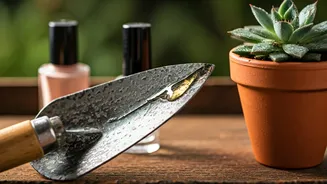
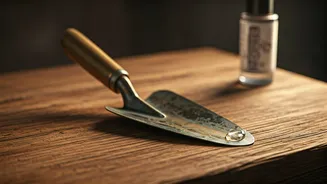
Many gardeners encounter a disheartening moment when a cherished trowel or a decorative planter reveals a growing crack. While the immediate thought might
be a trip to the hardware store for extensive repairs, a surprisingly effective and readily available solution resides in many bathroom cabinets: clear nail polish. This unassuming cosmetic product offers a swift, waterproof seal that combats moisture and dirt ingress, thereby significantly prolonging the lifespan of your valuable garden accessories. It has emerged as a popular hack for addressing minor imperfections before they escalate into major problems, allowing enthusiasts to keep their equipment in prime condition with minimal effort and cost.
Science Behind the Seal
The efficacy of clear nail polish as a garden repair agent isn't merely anecdotal; it possesses a sound scientific basis. Nail polish formulations are designed to dry rapidly when exposed to air, forming a smooth, non-permeable film. This characteristic makes them valuable in laboratory settings for preserving delicate specimens by preventing leakage. In the context of gardening, this same property creates a protective barrier over small fissures. This seal acts against environmental elements like dampness and soil particles, which can exacerbate existing damage and lead to further deterioration. This effect is further enhanced by gel nail polishes, which cure instantly under UV light, producing a robust coating akin to industrial resins.
Application for Durability
To achieve the most effective and lasting results when using clear nail polish for garden gear repairs, proper preparation and application are key. Begin by thoroughly cleaning the cracked area with rubbing alcohol. This step is crucial as it removes any dirt, grease, or debris, ensuring the nail polish adheres directly to the material rather than to surface contaminants. Once the alcohol has evaporated and the area is completely dry, apply a thin layer of clear nail polish over the crack. Allow this first coat to dry completely before applying a second layer. This builds up a slightly thicker, more resilient coating that can withstand exposure to morning dew and water splashes from garden hoses, offering a surprisingly durable, glossy finish.
Health and Environmental Cautions
While the convenience of using clear nail polish as a quick fix is undeniable, it's essential to acknowledge the chemical composition of these products and their potential implications. Traditional nail polishes often contain a 'toxic trio' of ingredients, including toluene and formaldehyde, which are volatile organic compounds. Frequent or extensive use of these polishes, particularly in enclosed spaces, could lead to respiratory irritation or skin sensitivities due to fume exposure. Therefore, gardeners should always work in well-ventilated outdoor areas when applying polish. For those engaged in organic gardening, it is also prudent to consider the environmental impact. As the polish wears off over time, particularly under sunlight, small plastic fragments can enter the soil. In such cases, opting for food-safe silicone or natural waxes might be a more suitable alternative, offering moisture protection without introducing synthetic pollutants.