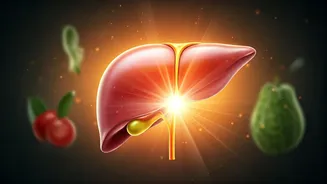







Body's Energy Shift
During Navratri fasting, your body undergoes a significant metabolic shift. When calorie intake is restricted, the body conserves energy, which can temporarily
slow down the metabolism. However, this state is often followed by a metabolic boost once normal eating patterns resume. A key physiological response is the initiation of ketosis, a process where the body begins to burn stored fat for energy instead of relying on carbohydrates. This fat-burning mechanism can contribute to weight loss, provided the fasting is conducted in a healthy and sustainable manner. It's crucial to remember that the body adapts to your established eating patterns, so understanding these changes is vital for mindful practice. The digestive system also benefits from this break, leading to potential improvements in digestion and nutrient absorption in the long term, and can even trigger autophagy, a cellular renewal process.
Metabolism & Weight Myths
Contrary to popular belief, short-term fasting, such as during Navratri, does not significantly boost metabolism in the long run. While it can help regulate metabolism and foster healthier outcomes, the idea of a permanently accelerated metabolism from a nine-day fast is largely a misconception. The primary benefit lies in promoting better portion control, reducing cravings for junk food, and encouraging healthier eating habits. However, the positive effects can be undermined if fasting involves consuming excessive fried items or sugary treats. For instance, a diet rich in sabudana khichdi or deep-fried snacks can negate the benefits of abstaining from other food groups. Weight loss is not an immediate outcome of these nine days but rather a step towards conscious and healthy eating habits.
Smart Fasting Practices
Observing Navratri fasts mindfully involves understanding specific do's and don'ts. It's essential to stay well-hydrated by consuming plenty of water, coconut water, and buttermilk. Incorporating protein-rich foods like yogurt, paneer, and nuts is crucial for maintaining energy levels. Fruits should be consumed for their natural energy boost. Conversely, one must avoid deep-fried fasting snacks and limit excessive sugar in desserts and beverages. Another critical guideline is to steer clear of prolonged periods of starvation followed by overeating, which can disrupt bodily functions. Balanced fasting helps maintain energy, prevents fatigue, and curbs binge eating. Prioritizing nutrient-dense foods and adequate hydration ensures that the body receives essential vitamins and minerals, even during restricted eating periods.
Health Considerations
Before embarking on any fasting regimen, especially during Navratri, individuals with pre-existing health conditions must consult a healthcare professional. Fasting may not be suitable for everyone, particularly those managing diabetes, heart conditions, or other chronic illnesses. Dehydration is a significant risk during fasting, potentially leading to fatigue, headaches, and other health issues. Therefore, maintaining adequate fluid intake is paramount. It is also vital to listen to your body's signals and avoid pushing yourself beyond your limits. For those who are healthy, mindfully observed Navratri fasts, focusing on nutritious food choices and proper hydration, can offer both spiritual fulfillment and physical well-being, contributing to a healthier metabolic state and a conscious approach to eating.