







Kidney Health Under Threat
Globally, a staggering 850 million individuals grapple with kidney disease, with many more unknowingly experiencing early-stage damage. This growing concern
highlights the critical need to examine lifestyle choices, particularly dietary habits popular in the fitness community. High-protein diets and the frequent use of supplements, while often pursued for performance and physique enhancement, are now under scrutiny for their potential strain on renal function. Understanding how our bodies process nutrients and waste is paramount, especially when focusing on athletic pursuits. The kidneys, responsible for filtering waste and maintaining bodily balance, can be adversely affected by sustained demands placed upon them through extreme dietary regimens or excessive supplementation, underscoring the importance of a well-rounded approach to fitness that prioritizes organ health.
Protein's Kidney Burden
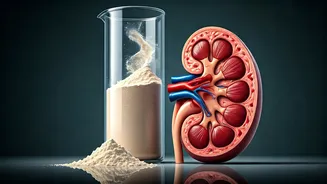
Protein is fundamental for muscle repair and growth, but its metabolism generates nitrogen-based waste that the kidneys must filter. When protein intake is significantly elevated, especially through supplements, the kidneys work harder, increasing filtration activity to clear this excess waste. While healthy kidneys can adapt to this heightened workload in the short term, a prolonged period of high protein consumption can gradually increase the pressure on these vital organs over time. It's a common misconception that more protein automatically equates to better muscle gain; the body can only efficiently utilize a specific amount for synthesis, with the remainder being processed as waste. Therefore, achieving adequate protein intake through a balanced diet, rich in whole foods like pulses, dairy, eggs, fish, and lean meats, is often sufficient for most individuals, negating the need for excessive supplementation without professional advice.
Creatine: Generally Safe?
Creatine, a widely researched supplement aimed at enhancing muscle strength and performance, has been found to be generally safe for individuals with healthy kidneys when taken at standard doses of 3–5 grams daily. Extensive reviews and meta-analyses indicate that such usage, even over extended periods, does not result in significant alterations to true kidney function, as measured by the glomerular filtration rate (GFR). The primary observable change is a minor, harmless increase in serum creatinine levels, a common marker used to screen for kidney issues. While this can occasionally lead to confusion during medical assessments if physicians are unaware of supplementation, it does not signify actual kidney impairment. However, consuming excessive or unsupervised amounts of creatine can raise concerns, as it does elevate creatinine production, potentially complicating diagnostic interpretations and placing undue stress if not managed responsibly.
The Supplement Stack Risk
The modern fitness landscape often sees individuals combining multiple supplements, such as protein powders with creatine, amino acid blends, and pre-workout formulas. Experts warn that the cumulative effect of these combined products, rather than any single item, poses a significant risk to kidney health. The increased nitrogen metabolism from protein supplements, coupled with creatine's conversion into creatinine, places a compounded metabolic load on the body. Layering these supplements on top of an already high-protein diet can inadvertently push nutrient intake beyond recommended levels, exacerbating the strain on the kidneys. Furthermore, inadequate hydration plays a crucial role; insufficient fluid intake concentrates waste products, intensifying the burden on renal filtration systems, making it essential to maintain optimal hydration when consuming multiple supplements.
Safeguarding Your Kidneys
Building muscle and enhancing fitness without compromising kidney health hinges on a balanced approach. Prioritizing adequate hydration is paramount, especially during intense workouts and in hot weather, as dehydration can strain the kidneys. A balanced diet, rich in whole foods, should form the foundation of your nutritional intake, providing essential nutrients without overwhelming your system. Supplements should be considered secondary to dietary intake and ideally used only when professional guidance suggests a deficiency. Consulting a qualified nutritionist or healthcare provider is crucial before embarking on any supplementation regimen. Opting for clean-label products and making informed choices based on personal needs rather than fleeting trends are key safeguards for maintaining both fitness goals and optimal kidney function.