



Initial Digestive Changes
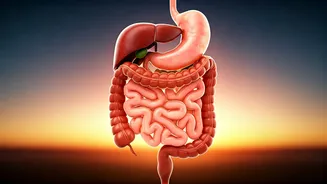
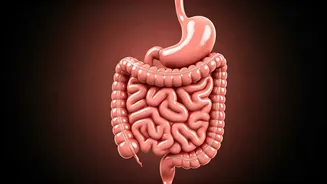
When you drastically reduce or stop consuming ghee and oil, the digestive system experiences immediate shifts. These fats are crucial for the efficient
breakdown of food and absorption of fat-soluble vitamins like A, D, E, and K. Without them, the digestive process may slow down, leading to potential issues such as constipation, as the bowel movements become less lubricated. Moreover, the body might struggle to fully absorb all the necessary nutrients from food. The gallbladder, which stores bile needed to digest fats, might also become less active, leading to further digestive discomfort. The body will likely start trying to find alternate sources of lubrication and efficient digestion, but initial adaptations can be challenging. Some people report bloating and gas, particularly in the initial days of the dietary shift as the digestive system adjusts to the absence of these fats.
Impact on Energy Levels
Ghee and oil are significant contributors to your daily caloric intake. They provide a dense source of energy. When their consumption is cut, the body must find alternative fuel sources. Initially, you might feel a dip in energy levels, especially if your diet doesn't adequately compensate with alternative calorie sources such as carbohydrates and proteins. This is because the body is transitioning from utilizing fat reserves to burning carbohydrates for energy. Without sufficient carbohydrate intake, this can cause fatigue and lethargy. The body's metabolic rate may also fluctuate in response to the dietary changes. This can lead to a period of adjustment where energy is diverted for metabolic changes rather than day to day activities. Over time, the body may adapt, learning to utilize other fuel sources more efficiently, but the initial phase can often be marked by reduced vitality and increased tiredness.
Hormonal and Metabolic Shifts
Fats play a key role in the production and regulation of hormones. Reducing or eliminating them can disrupt hormonal balance. For instance, the production of hormones such as testosterone and estrogen might be impacted because fats are essential building blocks for these hormones. This can lead to various effects, including changes in mood, menstrual cycles in women, and even alterations in libido. Furthermore, the body's metabolic rate, which governs how efficiently the body burns calories, can also be affected. A significant reduction in dietary fats can signal the body to conserve energy, potentially lowering metabolism. This can make it more challenging to lose weight and could lead to weight gain if the overall caloric intake is not carefully managed. The body’s sensitivity to insulin can also change, which influences blood sugar control.
Effects on Skin and Hair
Healthy fats are critical for skin and hair health. They provide essential nutrients that promote elasticity, moisture, and overall appearance. Removing ghee and oil can result in noticeable changes. Without adequate fat intake, the skin may become dry, flaky, and less supple. This lack of moisture can also accelerate the appearance of fine lines and wrinkles. The hair may also lose its shine and become brittle, making it prone to breakage. The scalp can become dry and itchy. While the body can produce some fats internally, it is still crucial to consume them through diet. Without sufficient intake, the body's natural moisturizing processes are impaired. This can lead to significant aesthetic and physiological changes that might necessitate the introduction of alternative sources to improve health and wellness.
Nutrient Absorption Issues
As mentioned earlier, fats are crucial for absorbing fat-soluble vitamins. Cutting them out of the diet affects the absorption of vitamins A, D, E, and K. These vitamins support diverse functions such as vision, bone health, immune function, and blood clotting. Without sufficient fat intake, your body might not be able to effectively utilize these vitamins, which can lead to deficiencies. For instance, a lack of Vitamin D can impact bone health, potentially leading to weakened bones. Insufficient vitamin A can affect vision and immune response. These deficiencies can result in a range of health issues. Supplementation might be needed to address and prevent nutrient deficiencies when ghee and oil are drastically reduced or removed. A doctor or dietitian can best assess the need for specific supplements and monitor your overall nutritional status.