






Diabetes Management Unveiled
The management of Type 2 diabetes presents a spectrum of approaches, with some individuals thriving on lifestyle modifications alone while others necessitate
insulin therapy. This variability hinges on a confluence of factors, predominantly insulin resistance levels, inherent genetic predispositions, and the established duration of the condition. It is crucial to understand that requiring insulin does not inherently signify the severity of the disease or a lapse in management; rather, it is a physiological response to the body's evolving needs. Medical professionals often tailor treatment plans based on individual patient profiles, ensuring optimal glycemic control and preventing potential complications. This personalized approach underscores the complexity of diabetes care, moving beyond a one-size-fits-all model to accommodate the unique biological makeup and progression of each person diagnosed with Type 2 diabetes. Ongoing research continues to refine our understanding of these factors, paving the way for even more effective and targeted interventions in the future.
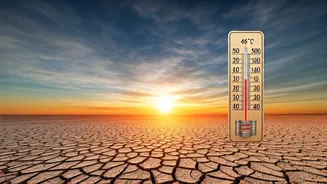
Combating Summer Heatwaves
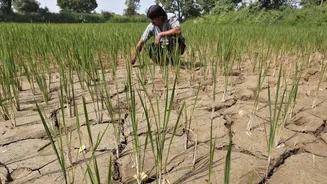
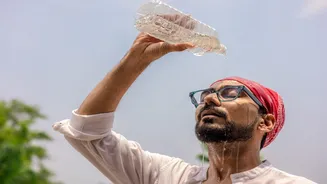
India is currently grappling with its inaugural heatwave of the season, with numerous regions experiencing temperatures that are a significant 5℃ above the normal average. The city of Banda in Uttar Pradesh has registered a scorching 47.6℃, highlighting the severity of the current weather patterns. This alarming trend is projected to persist not only through the remainder of the summer but also into the monsoon period. The increasing frequency and intensity of heatwaves are directly linked to the El Nino phenomenon, a climate pattern that significantly influences global weather. In response to this escalating public health concern, the government is actively implementing measures to mitigate the impact of these extreme weather events and protect its citizens. These efforts include public awareness campaigns, advisories for vulnerable populations, and the establishment of cooling centers in affected areas. The proactive approach aims to build resilience against these growing environmental challenges.
Rejuvenating Skincare Secrets
Dermatologist Dr. Madhu Chopra shares her cherished DIY ubtan recipe, a traditional blend designed to maintain healthy skin, free from blemishes, acne, and pigmentation issues. Her philosophy centers on the gentle efficacy of regular exfoliation, advocating for the avoidance of harsh soaps and face washes. The star ingredients in her ubtan include besan (gram flour), malai (cream), curd, turmeric, and cold milk. This harmonious combination works synergistically to deeply hydrate the skin, imparting a temporary yet noticeable radiance. Beyond the recipe itself, Dr. Chopra emphasizes the importance of consistent, gentle care and an understanding of the skin's natural processes. This approach offers a natural and nurturing alternative to conventional skincare, drawing from time-tested remedies for a healthy, glowing complexion. The efficacy of such natural treatments lies in their ability to work with the skin's own restorative mechanisms.
West Nile Fever Alert
Kerala's health authorities are currently investigating five suspected cases of West Nile fever, a viral illness transmitted by mosquitoes, across various districts. This heightened vigilance comes as the state observes a rise in mosquito-borne diseases during the warmer months. The virus is known to cause neurological complications, and its definitive diagnosis requires specialized laboratory testing. Precautionary measures are being diligently implemented to curb the spread of the illness and protect public health. These measures typically include public advisories on mosquito bite prevention, increased surveillance for mosquito populations, and public health campaigns to raise awareness. The proactive stance underscores the importance of preparedness and swift response in managing potential public health crises. The timely identification and management of such outbreaks are critical in preventing widespread transmission and severe health outcomes.