
Brain Exercise Basics
The human brain, an incredibly complex organ, thrives on stimulation and challenge. Regular exercise, much like physical workouts, is crucial for maintaining
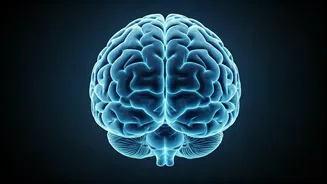
optimal cognitive function and warding off age-related decline. Engaging in activities that actively work the brain is essential. Neuroscientists emphasize that these exercises promote neuroplasticity, the brain's ability to reorganize itself by forming new neural connections throughout life. Incorporating brain exercises into your daily routine is a proactive approach to enhancing memory, focus, and overall mental sharpness. There are numerous activities to choose from, spanning puzzles, word games, and even physical activities that cross the midline. By embracing these practices, you provide your brain with the tools it needs to remain agile and robust. Regularly challenging your mind in new ways not only keeps it sharp but also builds a resilient cognitive reserve. This enables better coping with age-related changes and cognitive challenges.
Memory Games & Recall
Memory games, such as recalling lists or working with flashcards, are potent tools for boosting memory and cognitive function. This type of brain training strengthens the brain's ability to encode, store, and retrieve information. One popular technique involves creating associations, linking new information with previously known concepts. Another useful method includes the use of mnemonics, or memory aids, like acronyms or rhymes, to help remember facts. The act of actively retrieving information from memory enhances the connections between neurons, making recall faster and more efficient. Engaging in memory games regularly is akin to a workout for the brain, increasing memory capacity and improving cognitive agility. By testing and challenging your memory, you develop more efficient strategies for recalling information, which is a key component for everyday mental performance. Start small with simple memory tasks and then gradually increase the difficulty to provide a continuously stimulating mental workout.
Brain-Boosting Puzzles
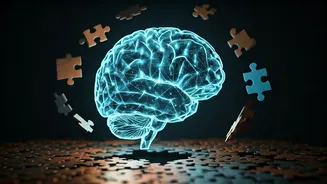
Puzzles are more than just a pastime; they are excellent exercises for the brain. Activities like Sudoku, crosswords, and jigsaw puzzles stimulate problem-solving skills, enhance logical reasoning, and boost concentration. When solving puzzles, your brain must analyze information, recognize patterns, and develop strategies to find solutions. This process strengthens neural pathways, which facilitates better cognitive flexibility. Engaging with puzzles regularly improves your ability to focus, making them perfect for those seeking to sharpen their mental acuity. Puzzles also encourage the brain's plasticity, allowing it to adapt and function better. As you tackle more complex puzzles, you can see improvement in your overall critical thinking capabilities. Make puzzles a regular part of your routine to boost cognitive function. There are puzzles of various difficulties to match any skill level, so you can always find a challenging and rewarding activity.
Physical Activity & Brain
Physical exercise is not only good for the body but also incredibly beneficial for brain health. Engaging in regular physical activity increases blood flow to the brain, providing essential nutrients and oxygen. This improved circulation aids in the growth of new brain cells and reinforces existing neural connections. Exercise also releases endorphins, which enhance mood and reduce stress, indirectly promoting better cognitive performance. Activities like running, swimming, or even brisk walking are great options. Aim for at least 30 minutes of moderate-intensity exercise most days of the week. Physical activity benefits the brain by reducing the risk of conditions like diabetes and cardiovascular diseases, both of which can negatively impact cognitive function. Additionally, regular exercise can enhance memory, improve focus, and reduce the symptoms of cognitive decline, making physical activity an essential part of a comprehensive brain-boosting plan. Pairing physical exercise with mental exercises creates a holistic approach to maintaining a healthy and sharp mind.
Mindfulness & Meditation
Mindfulness and meditation are powerful tools for improving cognitive function by reducing stress and enhancing focus. Mindfulness involves paying attention to the present moment without judgment, which helps quiet the mind and improve concentration. Meditation practices, such as deep breathing exercises and guided meditation, can strengthen the brain regions associated with attention and emotional regulation. Regular practice of mindfulness can reduce anxiety, which often clouds mental clarity, allowing for improved focus and memory. By taking time to practice these techniques daily, you develop the ability to remain calm and attentive even in challenging situations. Mindfulness practices also enhance self-awareness, allowing you to recognize and manage your thoughts and emotions more effectively. Incorporate mindfulness into your daily life for enhanced cognitive performance and overall mental well-being; just a few minutes of meditation each day can lead to significant improvements in your ability to concentrate and remember information.