


An Unexpected Solution
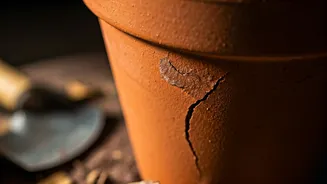
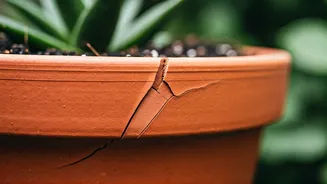
Many gardeners find themselves frustrated when their essential tools or beloved planters develop unsightly cracks during weekend projects. Often, the immediate
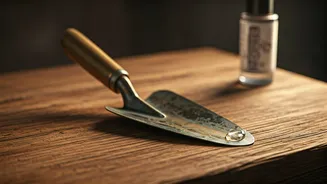
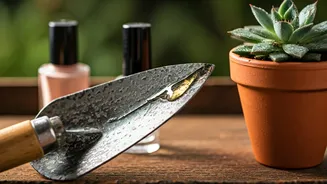
thought is a trip to the hardware store for epoxy. However, a growing number of individuals are turning to a readily available item in their bathrooms: clear nail polish. This seemingly simple cosmetic product has emerged as a surprisingly effective and rapid method for mending minor fissures in garden equipment, preventing small problems from escalating into costly replacements. Its popularity stems from its convenience and its ability to offer a protective seal against the elements, extending the lifespan of beloved garden essentials.
The Science of the Seal
The notion of using nail polish as a sealant might sound like an internet myth, but it's grounded in scientific principles. Laboratories have long utilized nail polish for preserving specimens due to its rapid air-drying properties and its capacity to form a stable, impermeable layer. This characteristic prevents leakage, a crucial factor in scientific applications. When applied to gardening tools, this non-permeable barrier can effectively shield paint from chipping and prevent moisture from seeping into wooden handles or plastic planters. The gel nail polish variation, which hardens under UV light, offers an even more robust coating, akin to industrial-grade resin. While it excels at creating a protective layer, it's important to note that nail polish doesn't offer the strong bonding power of a dedicated adhesive, making it best suited for sealing small cracks before they endure significant stress or friction.
Application and Considerations
For optimal results when using nail polish to repair garden items, cleanliness is paramount. Begin by thoroughly cleaning the cracked area with rubbing alcohol to ensure the polish adheres to the material itself, not just accumulated dirt. Applying a second coat after the first has dried can create a slightly thicker, more durable glossy patch that withstands morning dew and light watering. While the convenience of this hack is undeniable, it's crucial to be mindful of the chemicals present in nail polish. Many formulations contain a 'toxic trio' of volatile organic compounds, including toluene and formaldehyde, which are designed for beauty, not outdoor use. Prolonged exposure to fumes can lead to respiratory irritation or skin sensitivities, especially when working with large areas or gripping tool handles for extended periods. Always ensure good ventilation when applying and consider the potential for chemical transfer to your skin.
Environmental and Health Impacts
Beyond personal health, the environmental implications of using nail polish for garden repairs warrant consideration, particularly for organic gardeners. As the polish degrades over time, especially under intense sunlight, tiny plastic particles can leach into the soil. For those cultivating organic vegetables or herbs, this synthetic contamination is a concern. Alternatives like food-safe silicone or natural waxes offer similar moisture-barrier properties without the risk of introducing artificial pollutants. While nail polish provides an innovative and accessible way to prolong the life of gardening equipment, understanding the science behind its efficacy and being aware of its chemical composition and environmental footprint allows for more informed and responsible use, ensuring a healthier garden and a safer experience for the gardener.