




Rising Demand Noted
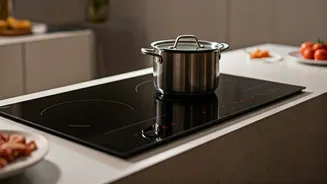
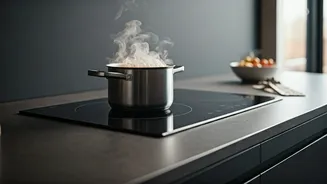
Appliance retailers across Pune are witnessing an unprecedented spike in the popularity of induction cooktops. Areas like Laxmi Road, Aundh, and Hadapsar
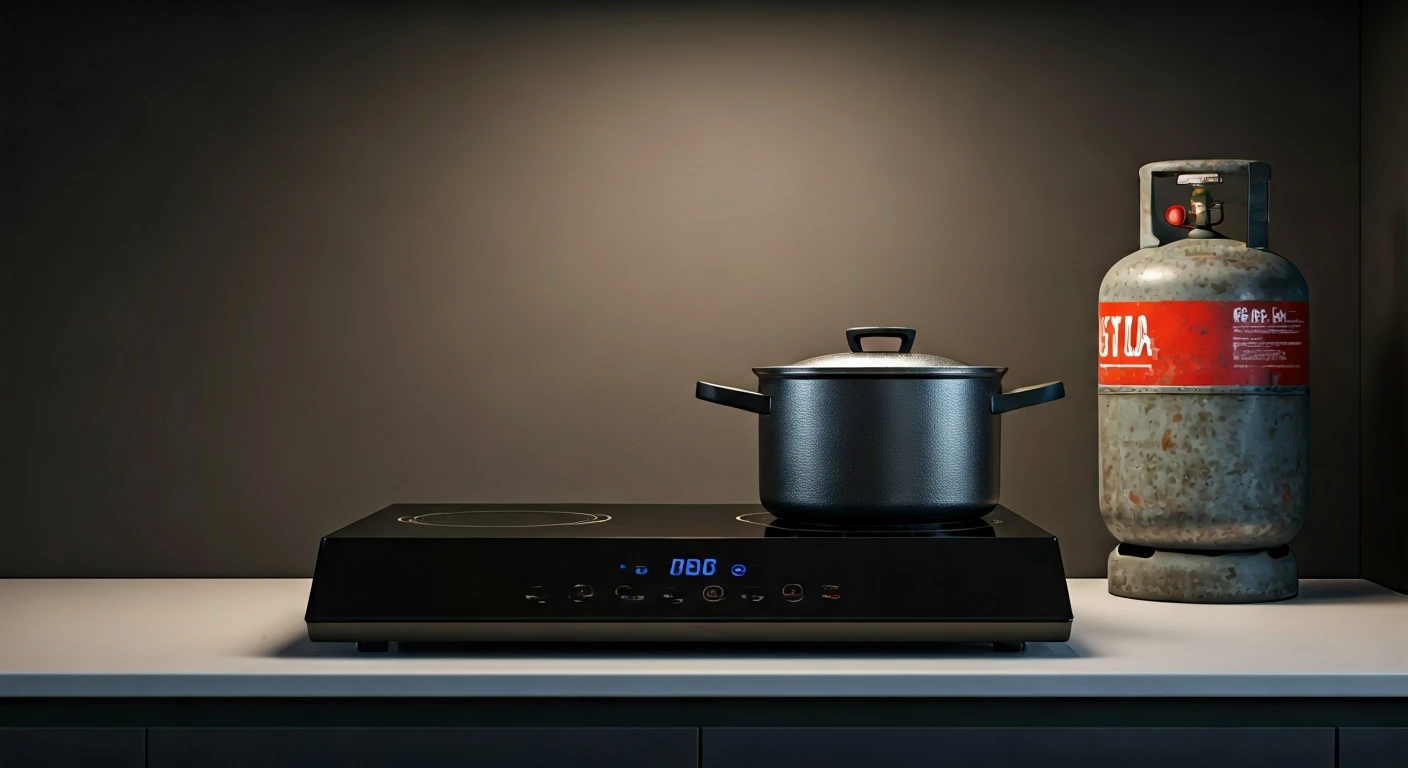
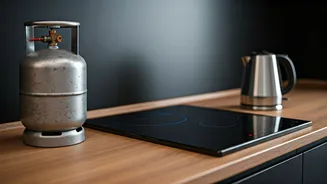
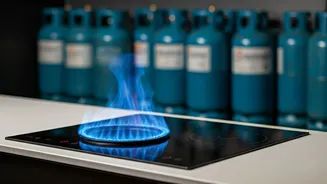
have seen these once secondary kitchen appliances become primary in consumer interest. This surge is directly attributed to ongoing concerns about the consistent availability of LPG cylinders. Many households, previously relying solely on gas, are now actively seeking induction stoves as a dependable alternative to keep their kitchens operational. Store managers report a dramatic increase in sales, with customers explicitly asking for induction stoves due to apprehension about delayed LPG cylinder deliveries, a situation that was uncommon in previous weeks.
Cookware Follows Suit
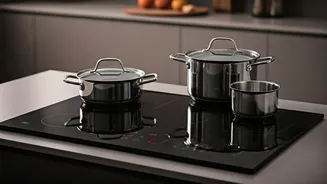
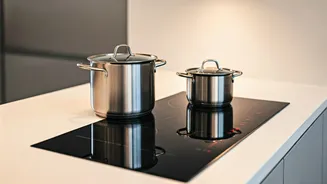
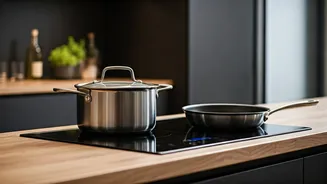
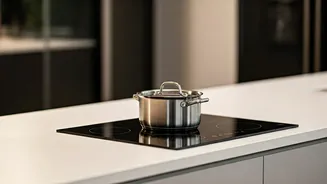
The increased adoption of induction cooktops isn't confined to the appliances themselves; there's a parallel boom in the sale of compatible cookware. Retailers are observing a significant uptick in demand for utensils specifically designed for induction surfaces. This includes flat-bottomed steel pans, tawas, and pressure cookers. Many consumers who already owned induction stoves but seldom used them are now investing in the necessary cookware. Instead of purchasing individual items, customers are opting for complete sets, indicating a serious commitment to integrating induction cooking into their daily routines. This trend underscores a broader shift in how residents are preparing for potential disruptions in their usual cooking methods.
Practical Kitchen Solutions
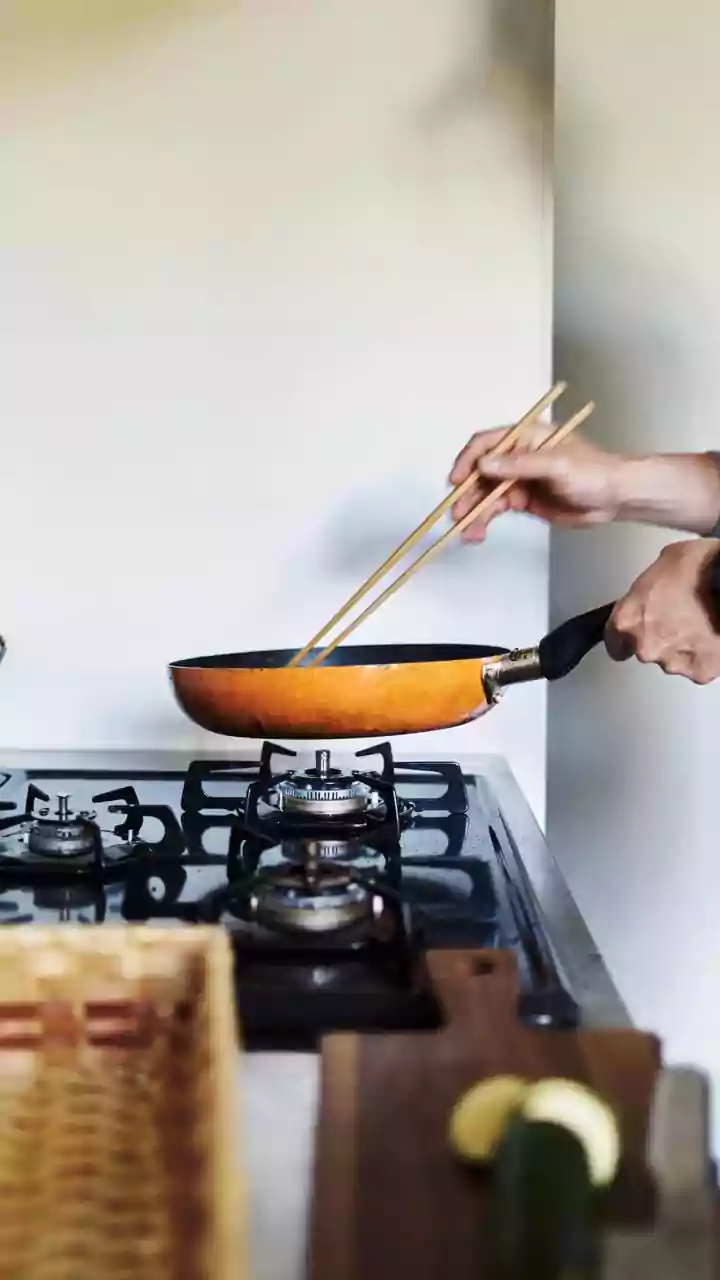
For numerous families in Pune, induction cooktops are proving to be a valuable tool for managing essential cooking tasks, complementing rather than entirely replacing their primary LPG use. Homemakers report using induction for tasks like preparing tea, boiling milk, and operating pressure cookers, which require less intense heat or direct flame. This allows them to maintain a cooking rhythm even when LPG supply is intermittent. For instance, a family of ten, accustomed to a cylinder lasting 20 days but facing a 25-day booking cycle, finds the induction a practical solution to bridge the gap. Dishes requiring a direct flame, such as rotis or dosas, continue to be prepared on LPG, showcasing a hybrid cooking approach.
Adapting to New Norms
The changing kitchen landscape is also impacting domestic workers who manage cooking in multiple households. They are having to quickly adapt to using induction cooktops when gas cylinders run out unexpectedly. One cook shared her experience of transitioning from LPG to induction for evening meals when a new cylinder hadn't arrived. While initially finding the process different and seemingly slower, she has since become proficient in using the induction stove. This adaptability among domestic staff highlights the pervasive nature of this trend and the ease with which new cooking technologies are being integrated into everyday life across the city.
Online Sales Soar
The heightened demand for induction cooktops is not solely confined to physical stores; online platforms are experiencing a significant surge in sales as well. Quick-commerce applications are frequently reporting induction cooktops as sold out across various Pune neighborhoods. This robust online activity mirrors the rush seen in brick-and-mortar establishments. Furthermore, some stores are proactively managing incoming stock by accepting advance reservations, indicating that customer interest far outstrips current supply. This keen demand suggests that induction cooktops are no longer viewed as mere supplementary appliances but as critical components for ensuring kitchen functionality during periods of LPG uncertainty.