







Myth 1: Protein is Only for Muscles
The first myth tackled is the misconception that protein's sole function is building muscles. While protein certainly plays a vital role in muscle development
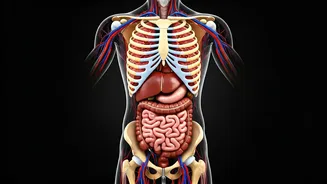
and repair, its importance extends far beyond that. Protein is a fundamental building block for all cells in the body, essential for creating enzymes, hormones, and antibodies that are critical for countless bodily functions. It's involved in transporting nutrients, maintaining fluid balance, and even supporting brain health. This makes it a crucial nutrient for overall health and well-being, not just for those focused on fitness. Therefore, the notion that protein only caters to muscle building is quite narrow, disregarding its broad spectrum of roles within the human body.
Myth 2: More Protein is Better
The second myth revolves around the idea that consuming more protein always equates to better health outcomes. This, however, is not entirely true. While protein is indispensable, excessive intake can lead to problems. The body can only use a certain amount of protein at a time. Surplus protein is either converted into fat or excreted, which can place added stress on the kidneys. Individual protein requirements vary based on factors like age, activity level, and overall health. Overconsumption might result in weight gain and potential kidney strain, emphasizing the importance of a balanced approach rather than simply maximizing protein intake. It's crucial to find the right balance, not assume that more automatically means better.
Myth 3: All Proteins Are Equal
This myth suggests that all protein sources are the same. In reality, the quality and type of protein can differ significantly. Complete proteins, which contain all nine essential amino acids, are often found in animal sources like meat, fish, eggs, and dairy. However, many plant-based sources can be combined strategically to ensure a complete amino acid profile. The digestibility and absorption rates of protein can also vary. Whey protein, for example, is quickly absorbed, making it popular for post-workout recovery, while casein protein digests more slowly. Therefore, to ensure that the body gets all the necessary amino acids, and the protein is absorbed properly, it is best to mix and match. Understanding these differences allows individuals to make informed choices that best support their nutritional needs and health goals.
Myth 4: Protein Causes Kidney Damage
A prevalent concern is the potential for high protein intake to damage the kidneys. For healthy individuals, this is generally not the case. The kidneys are well-equipped to handle the waste products from protein metabolism. However, people with pre-existing kidney conditions need to be more careful. In such cases, excessive protein consumption may put extra strain on the kidneys, potentially worsening the condition. The myth of protein causing kidney damage is primarily relevant to those who already have compromised kidney function. For healthy individuals, protein intake, within reasonable limits, is unlikely to cause any harm to their kidneys.
Myth 5: Protein Shakes Are Essential
The idea that protein shakes are a necessity for anyone looking to build muscle or improve their health is another common misconception. Protein shakes can be a convenient way to supplement protein intake, especially after workouts. However, they are not strictly essential for everyone. Whole food sources, such as lean meats, eggs, beans, and lentils, provide a wide array of nutrients that protein shakes may lack. If an individual can meet their protein needs through whole foods, protein shakes are not a requirement. It is more about preference and convenience rather than absolute necessity. Using shakes can be a great addition to the diet, but not a replacement for a diet full of whole foods.
Myth 6: Protein Diets Are Best
The sixth myth that needs addressing is that protein-heavy diets are the best approach for weight loss or overall health. While high-protein diets can be effective for weight management, they are not universally the best choice. These diets can promote satiety, potentially leading to reduced calorie intake, and help preserve muscle mass during weight loss. However, they may be restrictive and could lack essential nutrients if not carefully planned. Long-term adherence to extremely high-protein diets can be challenging and may pose risks for certain individuals. A balanced approach that incorporates various food groups, including protein, carbohydrates, and healthy fats, is generally more sustainable and beneficial for overall health and well-being. Focusing on a diet that offers balance is crucial.
Myth 7: Plant Protein Lacks
The final myth is that plant-based protein sources are inferior to animal-based proteins. Plant-based proteins can be just as beneficial as animal proteins, and they offer additional advantages, such as providing fiber and various vitamins and minerals. The key to ensuring adequate protein intake on a plant-based diet is to consume a variety of sources to cover all the essential amino acids. Combining different plant proteins, like rice and beans or lentils and nuts, can create complete protein profiles. Plant-based diets are linked to various health benefits, including a lower risk of heart disease and certain cancers. With careful planning, plant-based proteins can easily meet all protein needs, making this myth a thing of the past.