






The Pulse Paradox
Pulses, the champions of plant-based nutrition, offer a treasure trove of vitamins, minerals, iron, potassium, magnesium, zinc, and folate. They are particularly
lauded for their high protein and fiber content, making them a cornerstone for vegetarians and anyone seeking a nutrient-dense diet. However, this dietary boon can sometimes come with an unwelcome side effect: digestive distress in the form of gas and bloating. This occurs because pulses contain complex carbohydrates and natural compounds known as anti-nutrients, such as phytic acid and lectins. These substances can be challenging for our digestive systems to break down efficiently, potentially hindering the absorption of vital nutrients and causing that uncomfortable bloat. Understanding this inherent characteristic of pulses is the first step towards harnessing their benefits without the drawbacks.
Soaking: The Digestive Key
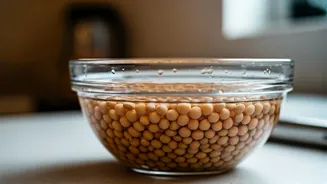
The simple act of soaking pulses before cooking acts as a nutritional unlock code. This process is instrumental in breaking down those stubborn anti-nutrients, particularly phytic acid and lectins, which are the primary culprits behind gas and bloating. By initiating this pre-cooking soak, you are essentially preparing the pulses for easier digestion. This not only alleviates the discomfort that can follow pulse consumption but also dramatically improves the body's ability to absorb the beneficial protein, iron, zinc, and calcium they contain. Furthermore, soaking significantly reduces the overall cooking time, leading to energy savings and a more efficient culinary process. It's a practice that transforms a potentially problematic food into a smoothly digestible, highly beneficial dietary staple.
Tailored Soaking Times
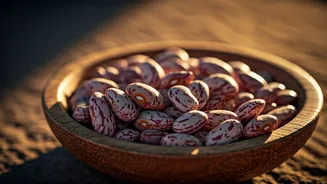
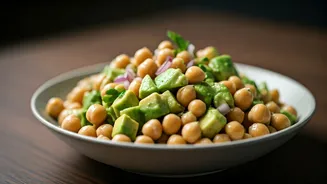
Different pulses require different soaking durations to achieve optimal results. For instance, larger and tougher pulses like rajma (kidney beans), chana (chickpeas), and kala chana need a substantial soak of 8 to 12 hours, or even overnight, to become tender and digestible. Lobia (black-eyed peas) and green moong (whole) typically require 6 to 8 hours. For split dals like chana dal, toor dal, and black urad dal, a soak of 6 to 8 hours is recommended to ensure they are lighter on the gut. Yellow moong dal and red lentil dal benefit from shorter soaking periods, around 30 minutes to 2 hours and 1 to 2 hours respectively, promoting better digestion. White matar (peas) and chickpeas also fall into the longer soaking category, needing 8 to 10 hours and 8 to 12 hours respectively. Adhering to these specific times is key to maximizing digestibility and nutrient availability for each type of pulse.
Pro Tips for Perfect Pulses
To elevate your pulse preparation, several expert tips can be employed. Always begin with fresh, clean water for soaking. Crucially, discard the soaking water and rinse the pulses thoroughly before cooking to remove any leached anti-nutrients. For particularly heavy pulses like rajma and chana, a nutritionist suggests discarding the soaking water and adding a pinch of hing (asafoetida) during cooking, which aids digestion. While warm water can speed up the soaking process, remember that longer soaking generally leads to better digestion, though caution should be exercised to avoid over-fermentation. For those seeking an extra nutritional boost and enhanced digestibility, sprouting the pulses after soaking is a highly recommended step.