




Luxor's Ancient Dryness
Luxor, Egypt, renowned for its magnificent ancient temples, also ranks among the driest cities globally. This remarkable aridity has been instrumental
in preserving the incredibly vibrant colors found within the tombs in the Valley of the Kings. The minimal moisture in the atmosphere acts like a natural time capsule, ensuring that the intricate hieroglyphs and paintings from the Pharaohs' era remain remarkably vivid, offering visitors an unparalleled glimpse into ancient history. This unique climatic condition transforms Luxor into an open-air museum, where the past is not just remembered but tangibly present through these remarkably preserved artworks, making it a historical masterpiece unlike any other.
Atacama's Alien Terrain
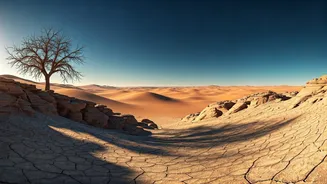
Often lauded as the driest non-polar region on Earth, stretches of the Atacama Desert in Chile have endured centuries without a single drop of rain. Its otherworldly, 'Mars-like' terrain, particularly in areas like the Valle de la Luna (Moon Valley), draws visitors seeking the extraordinary. Beyond the dramatic landscapes, the desert boasts high-altitude geysers that powerfully erupt from the arid ground and offers some of the clearest stargazing opportunities on the planet due to the lack of atmospheric moisture and light pollution. These elements combine to create an unforgettable experience for anyone drawn to the stark beauty and scientific marvels of extreme environments.
Ica's Desert Oasis
Situated adjacent to the Atacama, the Ica region of Peru presents a dusty, arid expanse punctuated by the extraordinary Huacachina oasis, a true mirage of life in the desert. This location is a magnet for adventure enthusiasts eager to test their skills on colossal sand dunes, famously engaging in sandboarding down their steep slopes. Furthermore, Ica is the gateway to the enigmatic Nazca Lines, ancient geoglyphs etched into the desert floor. The incredibly dry and stable air of this region has provided exceptional preservation for these mysterious carvings over countless centuries, allowing them to remain a captivating historical enigma for modern explorers and archaeologists alike.
Wadi Halfa's Heat
Located on the tranquil shores of Lake Nubia, the Sudanese city of Wadi Halfa endures intense heat with virtually no rainfall, defining its extremely arid climate. This rugged locale serves as a crucial and formidable gateway for travelers journeying across the border from Egypt, providing an authentic and unvarnished perspective on life within the scorching expanse of the Sahara Desert. Its harsh environment offers a raw, unfiltered encounter with the Sahara's immense scale and the resilience of life that persists against such extreme climatic conditions, making it an essential stop for those seeking a profound desert experience.
Arica's Long Drought
This Chilean port city, positioned at the northernmost edge of the country, holds the remarkable distinction of experiencing the longest documented dry spell in recorded history. Despite the profound absence of rain, Arica thrives as a vibrant coastal destination, surprisingly celebrated for its excellent surf beaches. It is also a site of significant historical importance, being home to the ancient Chinchorro mummies, some of the oldest artificially mummified human remains discovered, which have been remarkably preserved by the arid conditions.
Namibia's Foggy Coast
Pelican Point in Namibia lies at the fascinating convergence of the vast Namib Desert and the Atlantic Ocean, an area that receives almost no precipitation. However, this seemingly barren landscape is frequently enveloped in a thick, life-giving fog rolling in from the sea. This unique microclimate supports a surprising array of wildlife. It's an absolutely stunning destination for adventurous travelers, offering opportunities for kayaking alongside playful seals and witnessing the awe-inspiring sight of the world's oldest and tallest dunes dramatically meeting the ocean's edge.
Antarctica's Dry Valleys
The McMurdo Dry Valleys in Antarctica present a landscape so extraordinarily arid and devoid of moisture that it features absolutely no humidity, snow, or ice cover. While incredibly remote and challenging to access, specialized expeditions offer visitors the unique chance to witness an environment so alien and extreme that it mirrors conditions found on other planets. NASA extensively utilizes this region for testing equipment and protocols intended for missions to Mars, making it a crucial terrestrial analog for extraterrestrial exploration and a testament to the planet's most severe environmental extremes.
Al-Kufrah's Sahara Oasis
Deep within the vast Sahara Desert, the oasis of Al-Kufrah is enveloped by an endless sea of dunes and experiences nearly zero annual rainfall, making it an exceptionally arid locale. This remote destination is a critical point of interest for dedicated desert explorers and adventurers. They are drawn to witness the astonishing 'green circles' of pivot irrigation systems, vast agricultural areas made possible by underground water sources, which are so immense they are clearly visible even from outer space, creating a stark contrast with the surrounding desert.