Ranchi: An Introduction
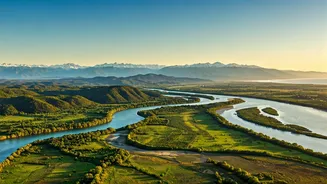
Ranchi, the capital city of Jharkhand, sits on the Chota Nagpur Plateau and is a city of significant natural beauty and cultural importance in India. Its
name is often synonymous with cascading waterfalls, lush greenery, and a tranquil atmosphere. The city’s history dates back centuries, and it has evolved from a tribal heartland to a modern metropolis, maintaining a delicate balance between tradition and progress. Ranchi’s climate, mostly temperate, adds to its appeal, with pleasant weather throughout much of the year, making it a desirable destination for both residents and tourists. The city's strategic location also enhances its significance, serving as a vital hub for administration, education, and commerce in the region, showcasing its diverse appeal that bridges historical significance and contemporary growth.
Historical Roots Explored
Ranchi’s history is interwoven with tribal communities and their interactions, tracing its origins back to ancient times. The region was inhabited by various indigenous tribes, with the Munda and Oraon communities playing significant roles in shaping the culture and landscape of Ranchi. The British colonial era left its mark on the city, with the establishment of administrative centers and infrastructure, impacting its growth significantly. These historical influences are reflected in the city’s architecture, traditions, and the overall social fabric, with older buildings and landmarks showcasing a blend of indigenous and colonial design elements. The legacy of tribal heritage is especially visible in the arts, crafts, and social customs, which continue to thrive and provide a vibrant cultural identity. Examining these historical roots offers a deeper understanding of Ranchi's cultural evolution.
Ranchi's Must-See Attractions
Ranchi is home to many attractions, including stunning natural landscapes and sites of cultural significance. The city's waterfalls are amongst the most famous, including Hundru Falls, Jonha Falls, and Dassam Falls, which offer picturesque views and recreational opportunities. These waterfalls attract visitors, who come to witness the power of nature. Aside from natural beauty, Ranchi also boasts several historical and religious sites, such as the Jagannath Temple, modeled after the famous temple in Puri, showcasing architectural grandeur and spiritual significance. The Ranchi Lake offers boating facilities and a pleasant environment, making it a popular spot for relaxation. These attractions together create a diverse appeal for tourists, emphasizing the city's ability to cater to various interests and preferences.
Cultural Experiences & Traditions
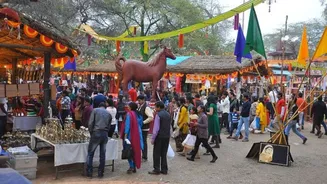
The cultural vibrancy of Ranchi is reflected in its diverse traditions and customs, significantly influenced by indigenous tribal communities. Festivals are a major part of Ranchi’s cultural calendar, with celebrations like Sarhul, a spring festival, and Karma, celebrating harvest and prosperity, being celebrated with much fanfare. These events often include colorful processions, traditional dances, and musical performances, providing an immersive experience of the local culture. The local cuisine, with its focus on rice, lentils, and locally sourced vegetables, also offers a unique culinary journey, mirroring the region's agricultural heritage. Furthermore, arts and crafts, especially the use of tribal art forms, contribute to Ranchi's cultural identity, with local artisans creating intricate artworks that reflect their cultural heritage. Experiencing these traditions provides an opportunity to interact directly with the customs and values of the people.
Ranchi Today: Modernization
Ranchi today is a city undergoing substantial modernization while maintaining its cultural essence. Infrastructure development, including improvements in transportation, healthcare, and education, has led to changes in the city’s landscape and its citizens' quality of life. The economy is also diversifying, with increasing investment in sectors such as IT, manufacturing, and services, driving job creation and economic growth. This transformation is coupled with a growing emphasis on urban planning and sustainable development, with initiatives focused on environmental conservation and smart city projects. Simultaneously, the city has kept its focus on preserving its cultural heritage, with initiatives to promote traditional arts, crafts, and festivals, ensuring that modernization does not come at the expense of its identity.
Planning Your Visit
Planning a visit to Ranchi can be made simpler with some basic knowledge of logistics and preparations. The ideal time to visit is during the winter months, from October to March, when the weather is pleasant. Accommodation options range from budget hotels to luxury resorts, catering to different preferences and budgets. Transport within the city is well-served by local buses, auto-rickshaws, and taxis, with ride-sharing services also available. Key considerations should include local transportation, the location of places you want to visit, and any specific cultural events or festivals occurring during your stay. This ensures a comfortable and enriching experience, allowing visitors to fully immerse themselves in the city’s culture and natural beauty.