



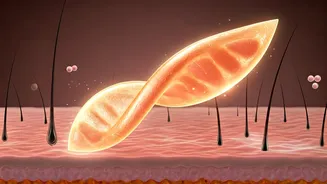

The Logic Behind Milk
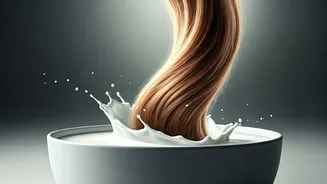
The notion of using milk on hair for enhanced growth stems from a seemingly logical connection: milk is rich in proteins, and hair is primarily composed
of keratin, also a protein. This has led many to believe that topical application would act as a direct supplement, fostering rapid strand elongation. This home remedy has been passed down through generations, evolving from traditional advice to modern social media trends. However, when subjected to scientific scrutiny, the effectiveness of milk as a hair growth stimulant proves to be far less straightforward than its popular appeal suggests.
Milk's Cosmetic Perks
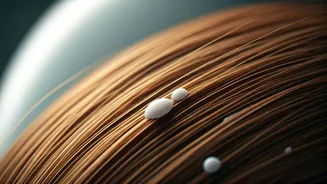
While milk may not be a miracle cure for sparse hair, it does offer several cosmetic benefits that contribute to healthier-looking hair and can indirectly aid in length retention. The natural fats present in milk act as emollients, coating each strand to impart a smoother, silkier feel. This smoothing effect also helps to tame frizz and flyaways by adding a touch of weight and moisture. Furthermore, the lactic acid content in milk can provide a mild exfoliating action on the scalp, which can be beneficial for those with dryness. These conditioning properties enhance the hair's appearance, making it feel softer and appear shinier, creating an illusion of improved health and vitality.
The 'Perception' of Growth
The persistent belief in milk's growth-promoting abilities often arises from a misunderstanding of how hair length is maintained. When hair is treated with milk, its improved condition – being less frizzy, less prone to breakage, and better hydrated – means it is less likely to snap off at the ends. This reduction in breakage allows individuals to retain more of the length they already have, creating the perception that their hair is growing faster. In reality, the hair's biological growth rate hasn't changed; instead, the improved health and reduced damage mean less length is lost, giving the impression of accelerated growth. It's a case where better hair health is misinterpreted as faster growth.
Drinking vs. Applying
For genuine influence on the hair growth cycle, consuming milk is significantly more effective than applying it topically. When ingested, the proteins, vitamins, and minerals in milk are absorbed into the bloodstream and then distributed throughout the body, including to the hair follicles. These nutrients serve as the fundamental building blocks, providing the essential 'bricks and mortar' required for keratin synthesis, the protein that forms hair. While drinking milk contributes to overall hair health by supplying these vital internal resources, it's important to remember that nutrition is just one element in the complex equation of hair growth. The body needs these components internally to support the biological processes at play.
The Science of Hair Growth
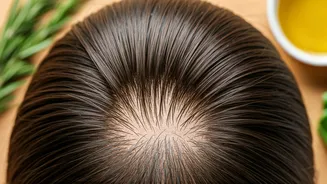
Understanding how hair actually grows is crucial to dispelling the myth. Hair growth originates from follicles located deep beneath the scalp, not from the surface. This intricate process is governed by a cascade of internal factors, including genetics, hormonal balance, overall nutrition, and general health. These internal mechanisms dictate the hair's growth cycle, and external applications like milk cannot directly influence this biological 'clock.' While some laboratory studies have indicated that certain bioactive compounds within milk might possess nourishing properties or potentially influence follicle activity, these effects were observed under controlled conditions using concentrated extracts, not through at-home applications of standard milk. Therefore, the proteins in milk are generally too large to penetrate the scalp or hair shaft effectively to reach the follicle and stimulate true growth.
Realistic Hair Care
For those seeking tangible improvements in hair growth, focusing on science-backed strategies is key. A balanced diet rich in iron, zinc, and biotin provides the essential nutrients for keratin production and follicle health. Maintaining a clean and stimulated scalp through regular massages can improve blood circulation to the hair follicles. Additionally, minimizing damage from heat styling tools and harsh chemical treatments helps preserve hair integrity and reduce breakage. While a milk rinse can offer a pleasant conditioning effect and make hair feel softer and look shinier, it should be viewed as a pampering treatment rather than a solution for increasing hair length. Enjoying the texture improvements is worthwhile, but it won't fundamentally alter hair growth rates.