





Gut's Best Friend
The seemingly playful 'fart walk' is more than just a catchy term; it's a practice with a solid scientific foundation in gastroenterology. Engaging in a light
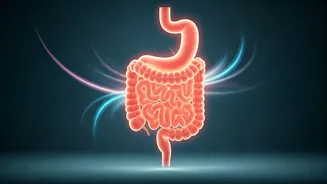
10–20 minute walk after a meal stimulates the digestive tract’s natural muscular contractions, known as gut motility. This increased activity helps to efficiently move food, liquids, and importantly, gas through your intestines. Experts highlight that this gentle motion is crucial for alleviating feelings of bloating and heaviness that often follow eating. Furthermore, the enhanced blood flow directed towards the digestive system during a walk allows digestive enzymes to perform their roles more effectively. Consequently, food is processed faster and more smoothly, leading to a significant reduction in common post-meal discomforts and preventing issues like constipation.
Sugar Level Stabilizer
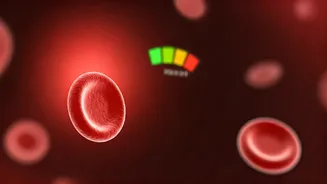
Beyond aiding digestion, the post-meal stroll offers a remarkable advantage in managing your body’s sugar levels. When you walk, the large muscle groups in your legs become active and begin to utilize glucose from your bloodstream for energy. This process significantly enhances insulin sensitivity, meaning your body becomes more efficient at using insulin to manage blood sugar. As a result, the sharp spikes in blood glucose that often occur after consuming a meal are effectively blunted. This benefit is particularly valuable for individuals managing prediabetes, diabetes, or metabolic syndrome. Even a brief 10-minute walk after a meal has been shown in studies to improve sugar control compared to remaining sedentary. In our modern, often sedentary lifestyles, incorporating this simple habit can be a powerful tool for metabolic health.
Holistic Health Perks
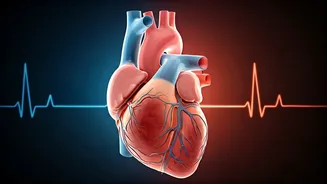
The positive effects of a regular post-meal walk extend far beyond just gut health and blood sugar regulation. This simple act of movement contributes to a broader spectrum of well-being. By enhancing circulation throughout the body, it can aid in weight management by giving your metabolism a gentle nudge. The improved blood flow also plays a role in reducing systemic inflammation, a factor linked to numerous chronic health issues. Furthermore, regular gentle exercise supports a healthier cardiovascular system and can lead to a reduction in stress levels, positively impacting your mood. Many also find that it promotes better sleep quality. The connection between a healthy gut and a healthy heart is also a key benefit, as improved circulation and reduced inflammation indirectly support digestive wellness, creating a comprehensive win-win scenario for your physical and mental health.
Walking Smartly
To reap the benefits of this post-meal ritual, the key is to keep the intensity low. Doctors emphasize that this is not intended to be a strenuous workout; in fact, vigorous exercise can divert blood flow away from your digestive organs and lead to discomfort. Instead, aim for a gentle, easy pace that allows for conversation. The ideal duration is between 10 to 20 minutes, and it's best to begin this stroll about 15 to 30 minutes after finishing your meal. While consistency is more important than intensity, aiming for this walk once a day, particularly after dinner, can be highly effective. Ultimately, wellness doesn't require complex or costly interventions. A simple, free habit like a short post-meal walk offers substantial digestive and metabolic advantages, making it an incredibly accessible health upgrade.