

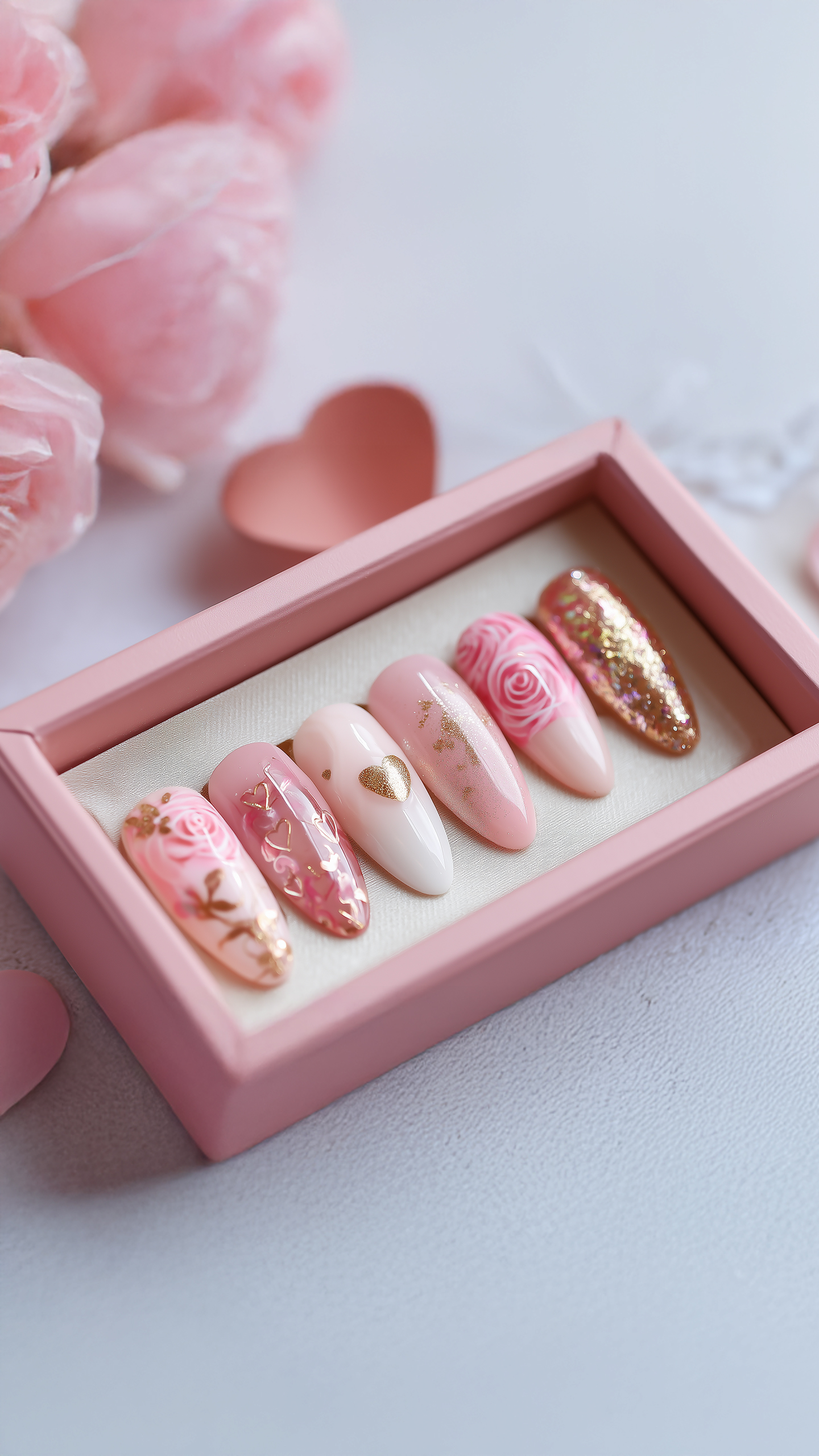

What is Japanese Gel?
Japanese gel manicures represent a distinct approach to nail enhancement, originating from Japan. Unlike conventional gel, which is known for a thicker
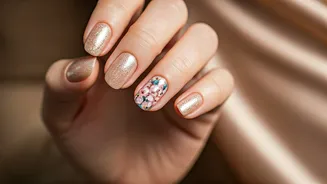
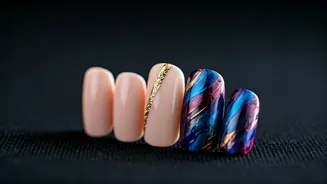
consistency and potentially harsher removal processes, Japanese gel offers a different experience. This type of gel is crafted with a focus on durability while maintaining a more natural look and feel. The formulation often incorporates ingredients that promote flexibility, decreasing the likelihood of chipping or cracking. Furthermore, Japanese gel manicures frequently feature intricate nail art designs that can last for weeks.
Japanese Gel vs. Regular Gel
When contrasting Japanese gel with regular gel, several key differences emerge. Regular gel often delivers a more substantial thickness on the nail, which some find appealing for added strength, while Japanese gel is typically applied in thinner layers, aiming for a more lightweight feel. A significant variance lies in the removal process. Standard gels frequently necessitate soaking in acetone for an extended duration, which can be damaging to the natural nail. Japanese gels are, in certain cases, designed for easier removal, potentially decreasing the impact on nail health. Another noteworthy aspect is the formulation. Japanese gels often emphasize ingredients that contribute to flexibility, thereby potentially reducing the risk of chipping. The focus in Japanese gel often extends to detailed nail art that would be harder to achieve with regular gel.
My Nail Experience
My personal experience with Japanese gel has been one of exploration, observing the contrasting aspects of both types of gel. Compared to regular gel applications I've had, the application of Japanese gel felt noticeably different. It seemed to glide more smoothly, resulting in a more refined finish on my nails. The initial look was captivating, and I appreciated the attention to detail that went into my chosen nail art. The longevity also stood out, as it managed to remain chip-free for weeks, surpassing my prior experiences with standard gel manicures. It provided a much more effortless removal process, which left my nails feeling healthier. My experience served as an example of how Japanese gel can deliver superior results in terms of both aesthetics and nail health.
The Verdict: Is It Better?
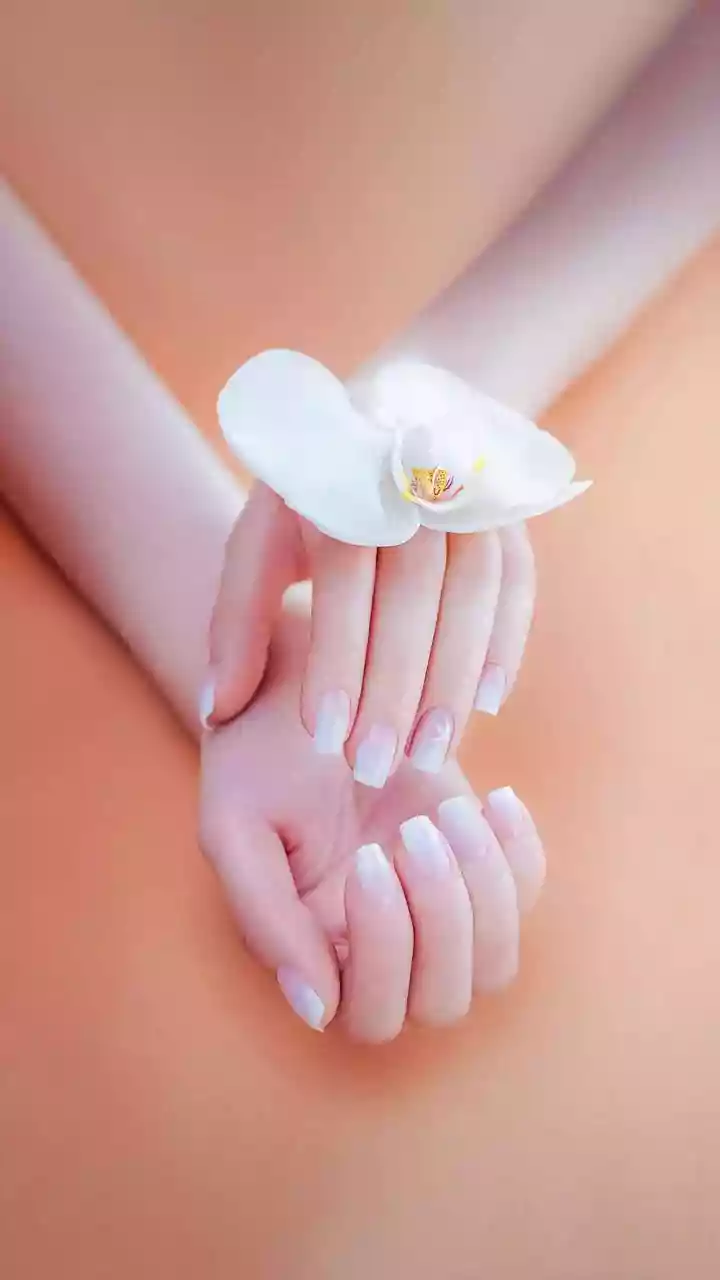
Determining whether Japanese gel is 'better' than standard gel is subjective and hinges on individual preferences and priorities. Those who value natural-looking nails that feel lightweight might gravitate toward Japanese gel. Its thinner application is ideal. The easier removal process is another benefit. Individuals who focus on nail art will find the intricate designs available. On the other hand, traditional gel may be favored by individuals seeking greater thickness and durability. Ultimately, the 'best' option relies on factors like the condition of your nails, your design preferences, and how much time you're willing to dedicate to upkeep. It is crucial to consider personal needs and desired outcomes when making a decision.