



Sunlight is Non-Negotiable
For bougainvillea to truly flourish and display its signature vibrant hues, it absolutely demands copious amounts of sunlight. Experts emphasize that a minimum
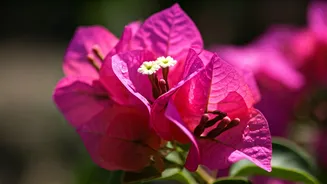
of six hours of direct sun exposure each day is crucial. When this plant is deprived of sufficient light, its energy is redirected towards producing lush green foliage, often at the expense of flowering. This means that while a shady spot might keep the plant alive, it will rarely reward you with the abundant blossoms that make bougainvillea so captivating. Therefore, positioning your bougainvillea in the sunniest location available is a foundational step to ensuring it thrives and produces its dazzling floral display.
Embrace Drought Stress
Contrary to common gardening instincts, bougainvillea actually benefits from periods of dryness. Overwatering can significantly hinder or even prevent flowering. This plant is adapted to arid conditions and thrives when its roots experience a degree of drought stress between watering sessions. This stress signals the plant to prioritize reproduction, which translates into more blooms. It’s important to note that this doesn't mean complete neglect; rather, it involves watering deeply but infrequently, allowing the soil to dry out considerably before the next watering. This approach encourages the plant to develop its full flowering potential by shifting its focus from vegetative growth to reproductive efforts.
Prune for Growth
One of the most counterintuitive yet vital practices for a bougainvillea is rigorous pruning. This plant produces its beautiful flowers on new wood – meaning it blooms on fresh growth. Allowing older branches to remain unproductive can limit its flowering capacity. Gardeners are advised to 'cut it back hard' to encourage new shoots. While this may initially make the plant appear bare, within a few weeks, it will respond by sending out new growth. These new stems are precisely where future blossoms will emerge, ensuring a continuous and spectacular display of color throughout the blooming season. This regular pruning is a key technique for maintaining vigor and maximizing floral output.
Fertilize Lightly, Wisely
Bougainvillea does not require heavy feeding, and in fact, excessive fertilization can disrupt its natural blooming cycle. Many enthusiasts find that fertilizing sparingly or even rarely is sufficient. When feeding is deemed necessary, the type of fertilizer is paramount. Opt for formulations that are low in nitrogen and high in phosphorus. Nitrogen encourages leaf development, which is not the primary goal for a flowering plant like bougainvillea. Phosphorus, on the other hand, plays a crucial role in promoting flower production. By using a balanced approach to feeding, you can ensure your bougainvillea directs its energy towards creating abundant and vibrant blooms, rather than just lush foliage.