
Bullion Market Trends
The precious metals market has seen notable activity. Reports indicated that silver prices experienced a significant decline, crashing by Rs 12,500, while
gold also registered a decrease, dropping by Rs 900. These downward trends in both gold and silver futures were largely attributed to profit-taking by investors. Additionally, the day's commodities prices in Bengaluru were also reported, reflecting the current trading dynamics in the local market. These shifts point to the inherent volatility in the commodities market and the influence of investor behavior on price movements. The movements underscore the need for market participants to carefully monitor developments and adjust their strategies accordingly, given the potential for rapid price changes.
Market Sentiment Overview
The broader market sentiment was considerably impacted by several factors. The Sensex experienced a sharp downturn, losing 780 points, largely due to uncertainties in the trade environment. Simultaneously, Reliance shares faced a decline, leading to a loss of Rs 1.65 lakh crore in valuation. Such significant fluctuations in major indices and corporate valuations underscore the sensitivity of the market to external shocks and shifts in investor confidence. This performance highlights the complexities of the current market scenario, influenced by both internal and external economic factors. The movements signal a cautious approach among investors, who are constantly assessing risks and potential returns amidst changing market dynamics.
Infrastructure and Investments
Substantial investments and projects have been announced and approved, indicating significant growth in the infrastructure sector. The PIB approved a considerable investment of Rs 26,000 crore for the Kamala Hydro Project, underscoring the government's commitment to bolstering the nation's infrastructure. CEIGall India secured a substantial Rs 1,000 crore infrastructure project, further highlighting the sector's growth trajectory. Moreover, Hartek Power secured a Rs 353.77 crore contract for renewable energy projects, indicating the rising focus on sustainable energy sources. These financial commitments signal a strategic alignment with India's long-term economic development goals, promoting employment and stimulating growth across different sectors. This flurry of activity highlights the government's dedication to improving infrastructure and increasing its energy capacity.
Corporate Developments
Several Indian corporations have recently announced important strategic moves. Bajaj Group acquired a stake from Allianz, totaling Rs 21,390 crore. Kalyan Jewellers reported a surge in its Q3 revenue, with a jump of 42%. Also, Avro India is set to list Avro Recycling and aims for an IPO of Rs 300 crore, showcasing the company’s expansion plans. Additionally, there were announcements of various alliances and partnerships, such as Bharat Forge and Agile Robots collaborating on AI automation. The announcements suggest a robust corporate landscape. The activities signal ongoing expansion, diversification, and strategic alliances as companies strive to improve their market positions and meet the ever-changing demands of the Indian market.
Regulatory and Policy Changes
Recent regulatory changes and policy developments have also influenced the market. SEBI has updated stockbroker rules to promote ease of doing business, which is a key step towards improving market efficiency. The NSE and IGX are set to develop a natural gas futures contract, expanding the scope of financial instruments available to investors. Furthermore, Sebi issued a compliance reporting format for SIF (Securities and Investment Fund), ensuring greater transparency and accountability in the financial sector. Additionally, the Union Budget for FY27 may feature a customs disputes amnesty scheme, which could provide relief to businesses dealing with customs-related challenges. These regulatory actions are crucial in shaping the business climate.
Sector-Specific Highlights
Several sectors are demonstrating specific trends and developments. The hospitality sector is witnessing a focus on infrastructure status and tourism growth. Alkem Labs launched a hair growth therapy kit, indicating innovation in the pharmaceutical sector. Additionally, Agrifeeder is targeting exports to boost revenue, underscoring the potential for growth in the agricultural sector. Furthermore, the textile industry saw the Centre sign agreements with 15 states, which is aimed at encouraging production and commerce. BMW Group India recorded a 14% increase in sales in 2025. These developments highlight the diverse nature of the Indian economy, with opportunities arising in various sectors, from pharmaceuticals and technology to textiles and tourism. This also highlights the adaptability and potential of Indian businesses to expand and innovate.
Trade and International Relations
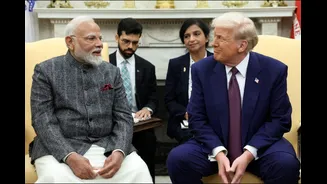
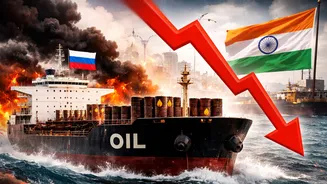
International trade relations and agreements also play a significant role. The ASEAN-India trade pact is under review, aiming to boost market access and increase trade efficiencies. Furthermore, the Trump administration 'greenlit' tariffs on China and India for Russian oil, signifying ongoing tensions and shifts in global trade policies. Reports also showed that the US has withdrawn from the India-led Solar Alliance. Additionally, Soren's visit to WEF Davos and the UK is aimed at placing Jharkhand on the global stage, showcasing the region’s potential to international investors. These interactions reflect how international dynamics affect the Indian economy and highlight both the challenges and opportunities present.