






The Vastu Connection
The prevalent notion of situating kitchens in the south-east corner of Indian homes is deeply rooted in the principles of Vastu Shastra, an ancient Indian science
of architecture and design. This directional placement is specifically associated with the element of fire, personified by the deity Agni. As the kitchen is the epicenter of culinary activities, where fire is constantly engaged for cooking, aligning it with the 'fire zone' according to Vastu is believed to foster a sense of equilibrium and generate auspicious energies throughout the dwelling. This practice is not merely a fleeting trend but a deeply ingrained preference for many families, influencing their decisions during the construction or purchase of a new residence.
Sunlight and Hygiene
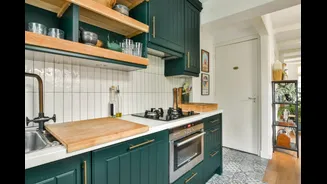
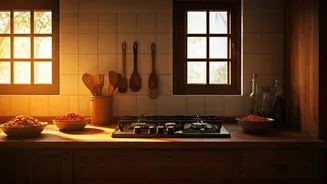
Beyond spiritual considerations, the south-east orientation offers significant practical advantages, particularly concerning natural light and hygiene. Across most of India, the sun rises in the east and arcs towards the south throughout the day. Consequently, a kitchen positioned in the south-east receives abundant morning sunlight. This natural illumination is invaluable, helping to keep the cooking area bright and well-lit, which is crucial for effective work. Furthermore, consistent sunlight helps to combat dampness, a common issue in older constructions lacking advanced ventilation systems, thereby contributing to a more sanitary environment. This daily infusion of light and warmth plays a vital role in maintaining the overall well-being of the kitchen space.
Comfort and Habit
The strategic placement of the kitchen in the south-east also contributes to user comfort and aligns with established daily routines. The morning sun, while beneficial for lighting and hygiene, is generally less intense than the midday or afternoon sun. This means that by the time the day's heat peaks, the kitchen's exposure to direct sunlight lessens, preventing it from becoming excessively hot and uncomfortable for those working within it. For many Indian households where cooking activities commence early in the morning, the presence of natural light during these hours enhances the feeling of vibrancy and usability in the kitchen. This subtle yet significant aspect of morning illumination has become an ingrained part of the culinary experience, enhancing efficiency and comfort.
Modern Adaptations
While the south-east orientation remains a strong preference, it's important to acknowledge that modern living often necessitates deviations from traditional architectural norms. In contemporary urban settings, particularly in apartments, factors such as limited space, complex building layouts, and the precise positioning of plumbing and electrical lines can dictate kitchen placement. Despite these constraints, when architectural choices allow, many individuals still prioritize the south-east direction for their kitchens, recognizing its inherent benefits. However, the practicalities of urban construction mean that this ideal is not always attainable, leading to diverse kitchen orientations in today's homes.