




Orbital Emergency 2025
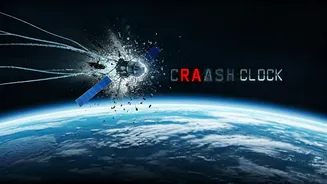
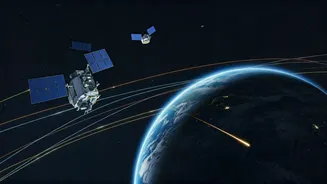
The year 2025 saw an orbital emergency, underscoring the pressing issue of space debris. This event highlighted the urgent need for strategies to manage
and mitigate the risks posed by objects falling from orbit. The incident acted as a stark reminder of how critical it is to understand the behavior of space junk and the potential damage it can inflict upon re-entry. It also emphasized the need for international cooperation and technological advancements in tracking and removing space debris, safeguarding future space missions and infrastructure on Earth.
Strain Gauge Insights
Analyzing the effects of strain gauges on spacecraft can provide valuable data. This process allows scientists to assess how a spacecraft responds during its re-entry into Earth's atmosphere. Monitoring the stress and deformation of the spacecraft's structure can help determine how various materials and designs perform during this fiery descent. The information gained from strain gauges is crucial for improving spacecraft design, ensuring that future missions are built to withstand the extreme conditions of re-entry. Understanding the stress experienced by a spacecraft is a significant step in enhancing spacecraft durability and safety.
Last Moments Revealed
Understanding a spacecraft's final moments requires meticulous study. The European Space Agency (ESA) is actively involved in investigating what actually happens to a spacecraft during its re-entry and fiery disintegration. Through detailed analysis of these events, ESA hopes to improve the design of future spacecraft and develop more effective strategies to manage space debris. By examining the physical and chemical processes at play during the spacecraft's final descent, ESA seeks to minimize the risks associated with falling space debris and protect both the environment and human assets. This research will help the design and build of more robust and reliable spacecraft.
Fiery Frenzy: Risks
Experts have raised concerns about the growing threat of falling space junk to airplanes. This risk stems from the increasing number of objects in orbit and the potential for collisions and re-entry events. The uncontrolled re-entry of space debris poses a substantial threat, as fragments can potentially strike aircraft, leading to potential dangers. As space activity continues to grow, it is essential to implement strict regulations and advanced tracking methods to mitigate the risks associated with space debris and ensure the safety of air travel and the safety of people on the ground.